
Last updated November 15, 2026
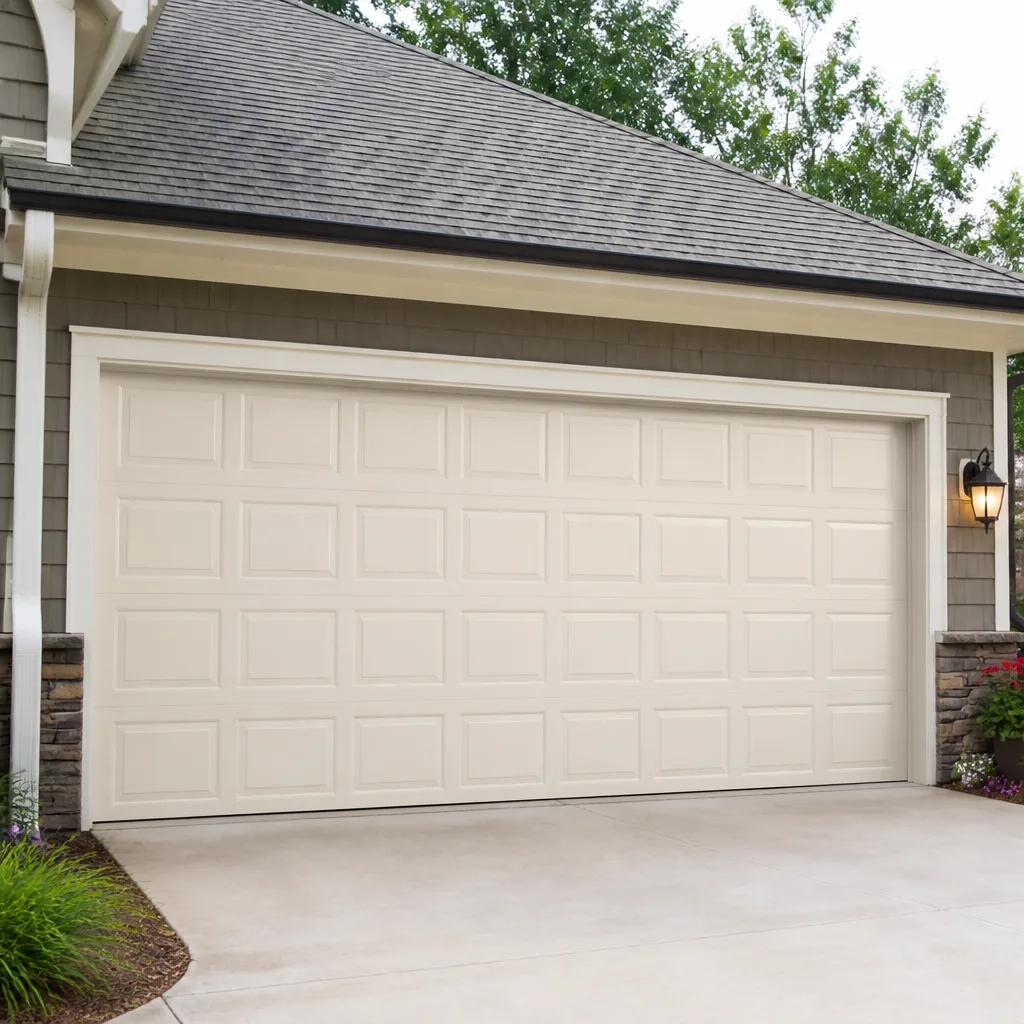 Raised-panel steel
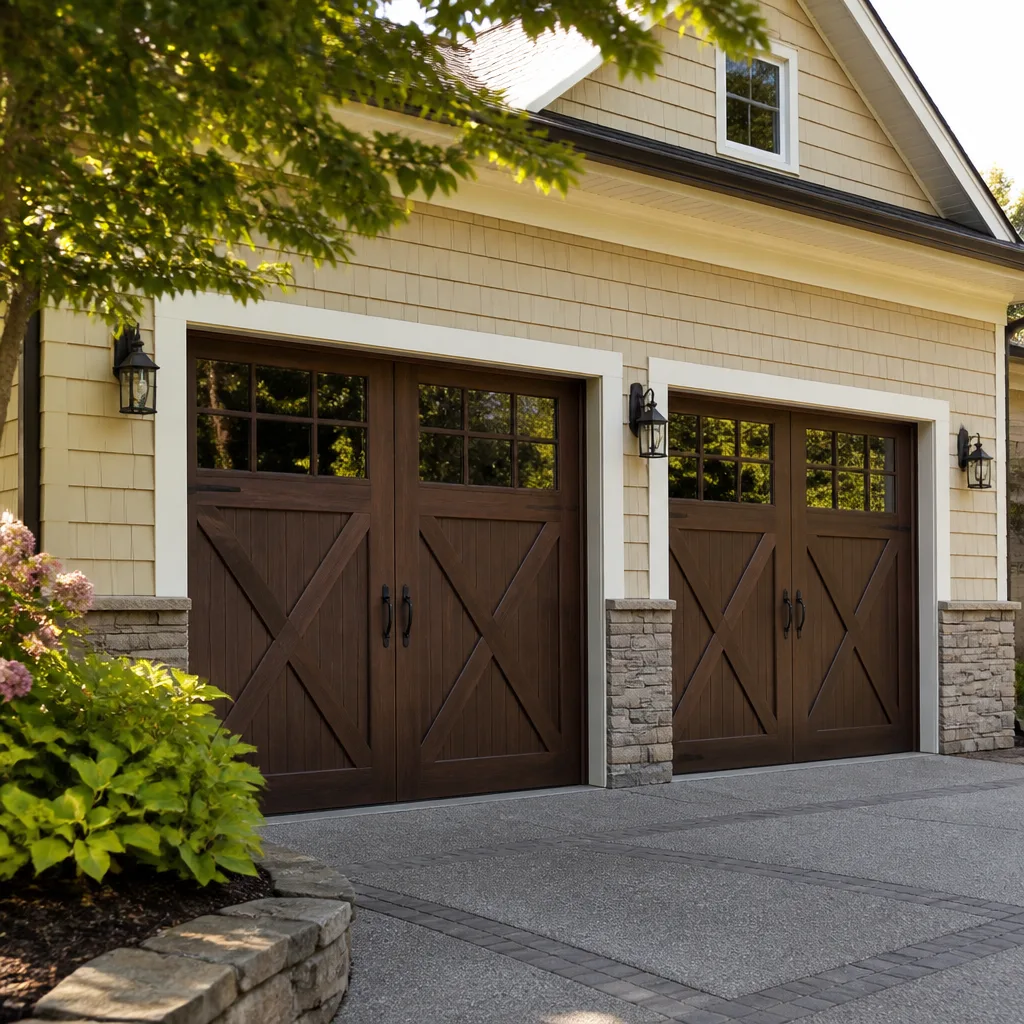 Carriage house
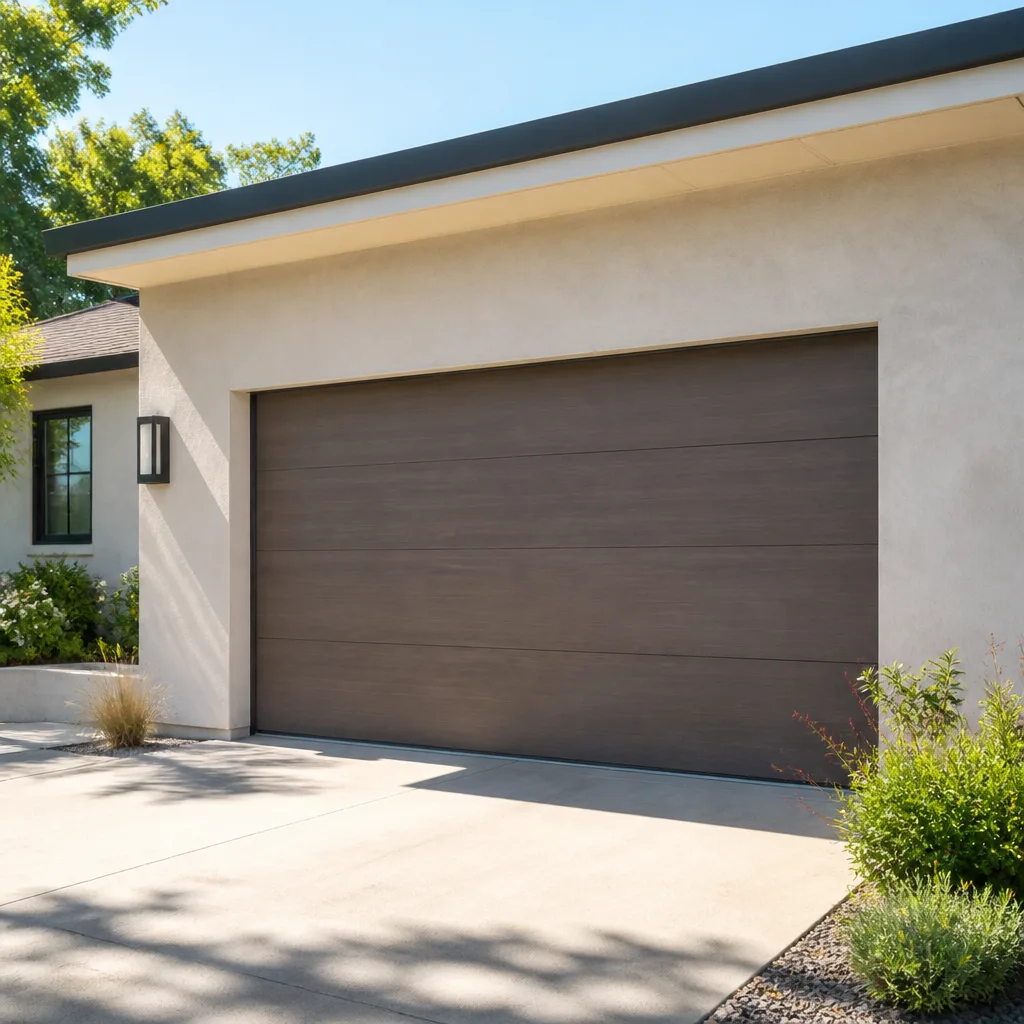 Modern flush
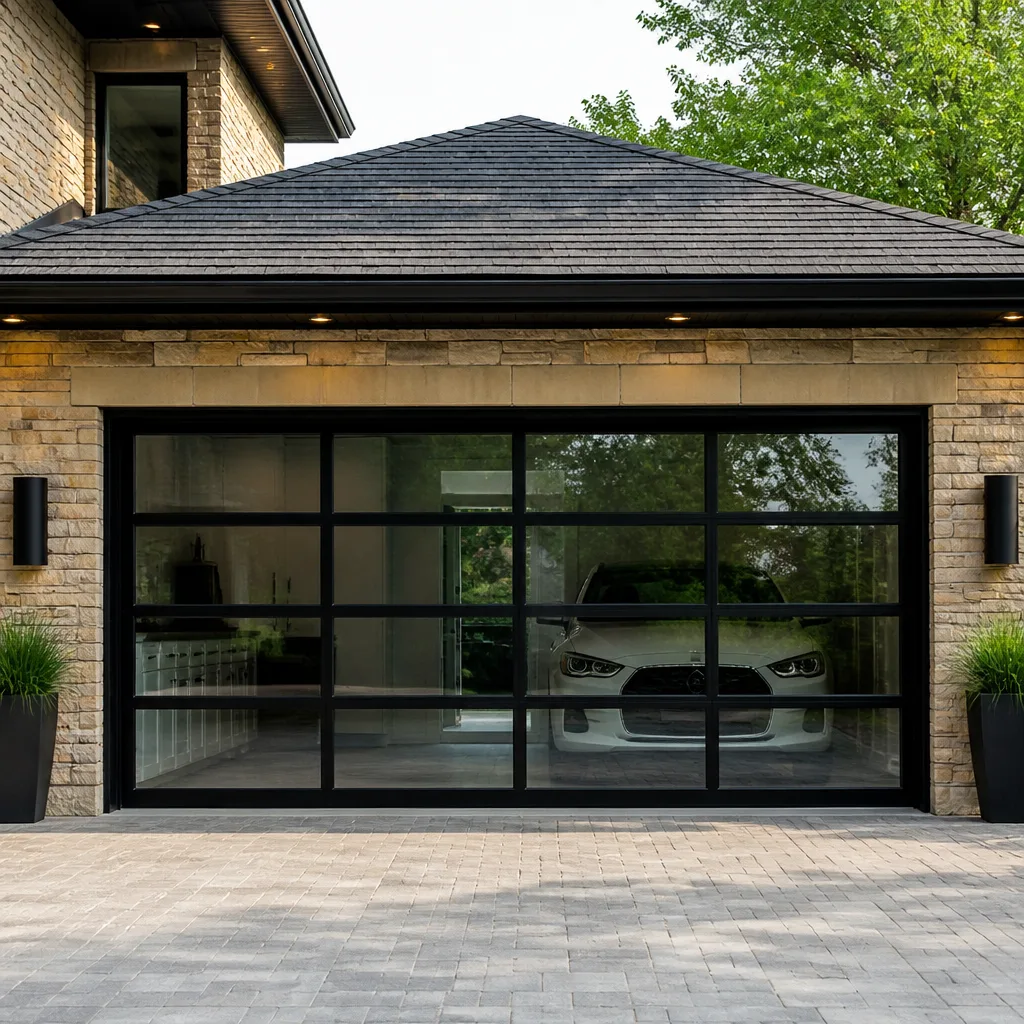 Full-view glass
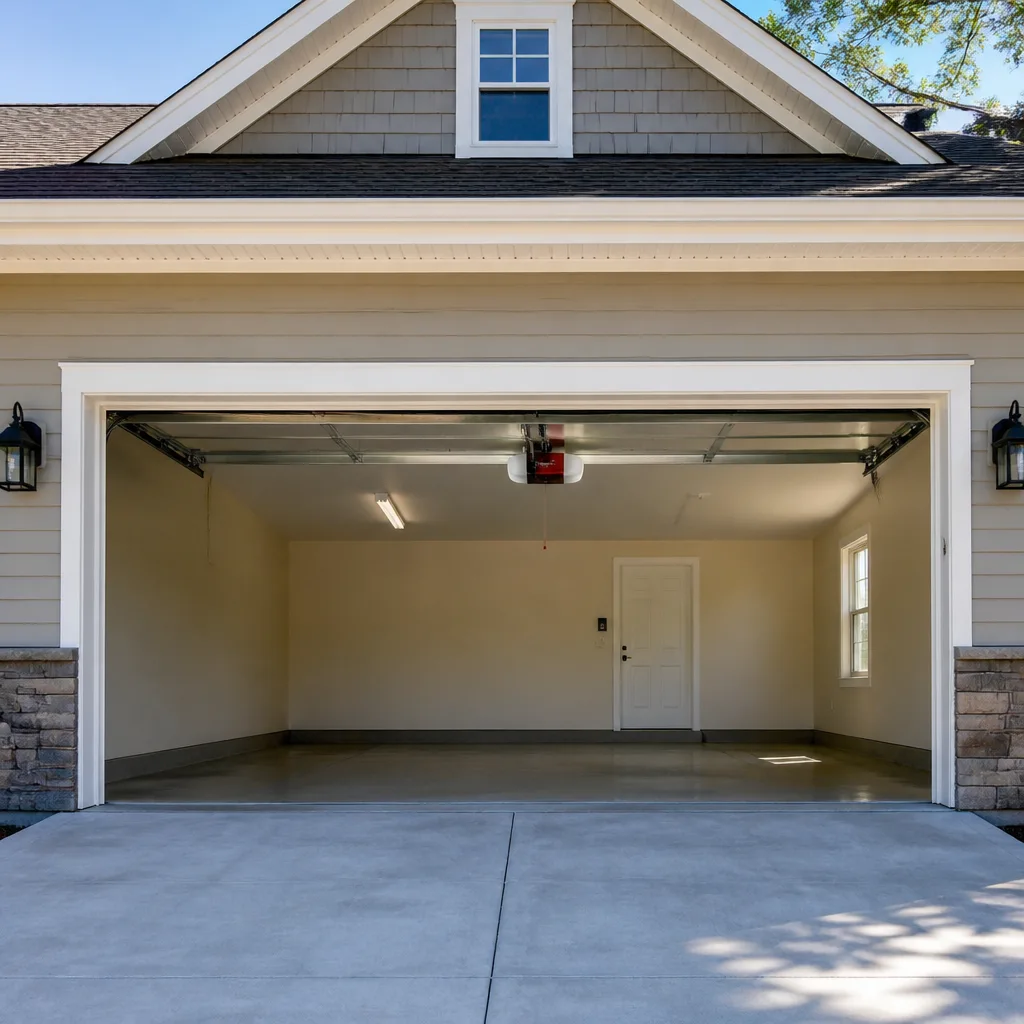 LiftMaster openers
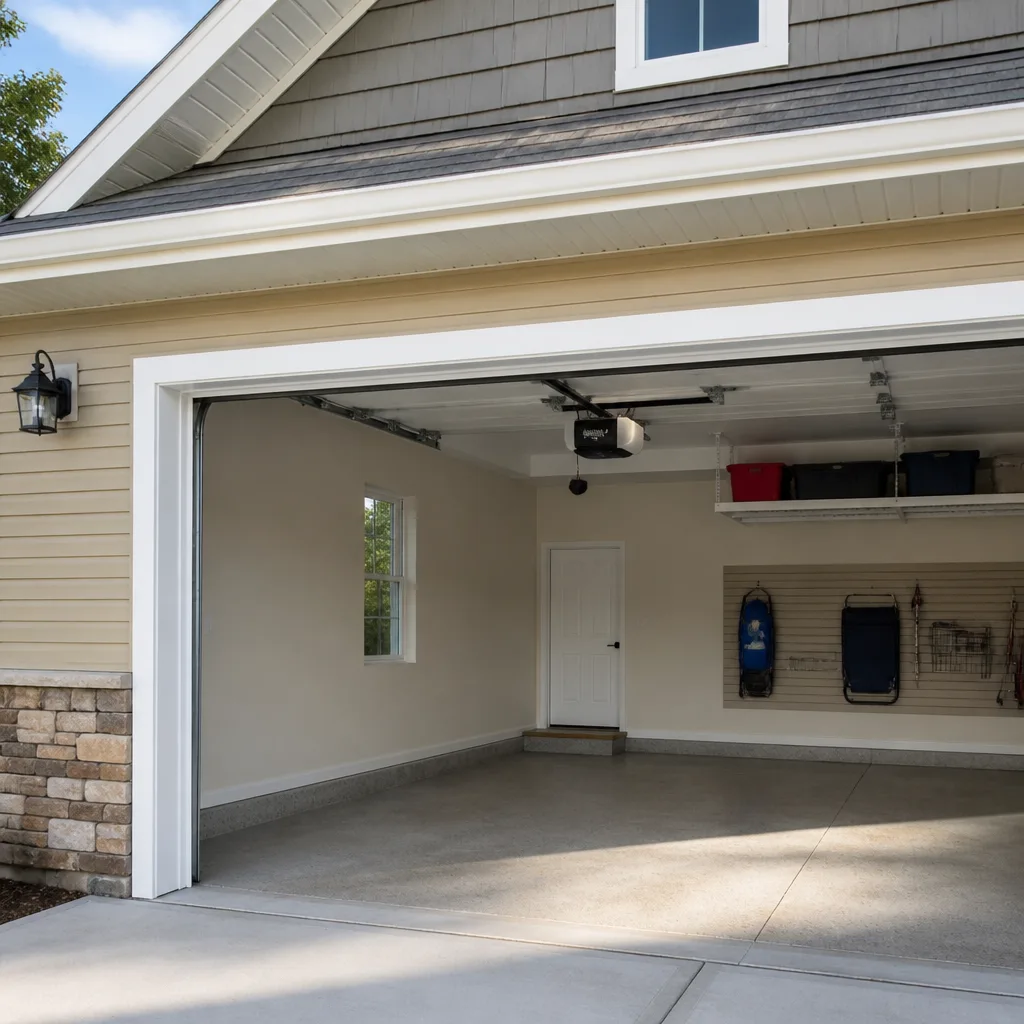 Chamberlain openers
Full 25-point door and opener safety check with every visit - springs, cables, rollers, tracks, and your LiftMaster or Chamberlain opener included
You get a price before we start. It does not change when the pro arrives.
Get your free estimateGarage Door Warning Signs: A Richmond Homeowner’s Reference Guide
A garage door rarely fails without notice. It tells you first, usually for weeks, through slower travel, uneven lifting, and a metallic groan that sounds nothing like its normal operation. Most homeowners turn up the radio and keep pressing the button, and a cheap adjustment turns into a full spring or opener repair. This guide covers the early signals in Richmond doors – the sounds, the spring gaps, the opener quirks, and the panel stress marks – and how long you usually have before a small issue becomes a broken door.
Quick Answer
Garage door warning signs in Richmond include grinding or popping sounds during travel, a door that lifts unevenly or pauses mid-cycle, gaps or separation in the torsion spring coils, rust streaks on the springs, sluggish or jerky opener response, and bowing or cracking at panel hinge points. Catching these early usually means a minor adjustment or a single worn part instead of a full spring, cable, or opener replacement.
Styles & brands we work with
- Raised-panel steel
- Carriage house
- Modern flush
- Full-view glass
- LiftMaster openers
- Chamberlain openers
Table of Contents
- What the Sounds Are Telling You: A Mechanic’s Decoder
- Reading the Spring System: Gaps, Coils, and Rust Stains
- Opener Behavior Changes: Wear vs. Logic vs. Sensors
- Panel Stress Indicators: Bowing, Cracking, and Paint Bubbling
- The Warning Window: How Long You Have to Act
- Richmond Conditions That Speed Up Wear
- Five Checks Any Homeowner Can Do Safely
- What Early Repairs vs. Late Repairs Typically Cost
What the Sounds Are Telling You: A Mechanic’s Decoder
Sound is the earliest diagnostic tool a homeowner has. Each noise points at a specific mechanical cause, and the type of noise tells you whether you’re dealing with lubrication, alignment, or a component that’s on its way out. Here’s what each one usually means in a residential door system.
- Grinding during travel: Metal-on-metal contact, most often dry rollers, worn bearings, or a torsion tube that has lost lubrication. In Richmond humidity, rollers dry out faster than most homeowners expect, so grinding is one of the first signals we hear about.
- Popping or snapping: Usually a torsion spring that has slipped a coil, a cable that has jumped a drum, or rollers binding in the track. Popping that happens once at the start of travel is a different (and often less urgent) signal than popping throughout the cycle.
- Rattling: Loose hinge bolts, a track that has shifted slightly out of alignment, or a bottom bracket with slack. Rattling tends to get louder over weeks rather than appear overnight.
- Squealing: Roller bearings running dry, or a torsion tube that needs lubrication at the bearing plates. Squealing is often the easiest signal to correct – but only if you catch it before the bearing seizes.
- A deep metallic groan: The sound of a torsion spring under load that’s beginning to fatigue. This one is the most important to act on, because a fatigued spring is the component most likely to break outright.
If you can describe the noise and when it happens (opening, closing, or mid-travel), you’ve already given a technician most of what they need to diagnose the issue. That’s why we ask, before any garage door repair visit, what the door sounds like and when the noise started.
Reading the Spring System: Gaps, Coils, and Rust Stains
Torsion and extension springs carry the full weight of the door, and they fail in stages. Long before a spring snaps, it shows visible signs. Learning to read them is one of the highest-value skills a homeowner can pick up.
Gap formation
A torsion spring should have tightly wound coils with almost no space between them. When you see a visible gap between two coils – even a small one – the spring has begun to unwind unevenly or has lost tension. A gap that grows over weeks is a strong predictor of a spring that will fail. Extension springs should be checked for stretched sections and for the safety cables running through them; a stretched extension spring is doing less lifting than it should, and the door motor is picking up the slack.
Coil separation and rust patterns
On torsion springs, look for coils that appear separated or misaligned along the length of the spring. On both spring types, rust streaks matter. A spring with rust along its length – especially at the coil ends where the metal flexes most – is a spring that has lost some of its structural integrity. Richmond’s humid summers and cool, damp winters swing the garage interior through temperature and moisture cycles that accelerate rust on bare-metal springs. Rust on the rollers is common and manageable; rust streaking across a spring is a signal to have the spring evaluated.
What NOT to do
Springs are under extreme tension and can cause serious injury if adjusted or removed by anyone without training and the right tools. Do not attempt to unwind, tighten, or replace a garage door spring yourself. The right move is to note what you’re seeing, avoid operating the door more than necessary, and get a trained professional to look at it.
Opener Behavior Changes: Wear vs. Logic vs. Sensors
When a door stops behaving the way it used to, the opener is often blamed first and the door second. In our experience, it’s usually the other way around – but there are genuine opener-wear signals worth knowing. The brand matters less than the symptom: whether you own a LiftMaster, a Chamberlain, or a Genie, the same three failure families show up.
Worn drive components
- Slower travel than usual: A chain or belt drive that has stretched, or a gear assembly wearing down. On chain drives, this is often accompanied by a rhythmic clunking.
- Partial opening or closing: The door stops partway and reverses. This can be a worn drive gear, but it’s just as often a symptom of the door being heavier than it used to be because of a weakening spring.
- Motor runs but door doesn’t move: A stripped drive gear or a broken trolley connection. This is a repair, not a replacement, in many cases.
Failing logic board behavior
- Erratic operation: The door opens when you press close, closes when you press open, or runs at random. This is more likely a logic board issue than a mechanical one.
- Lights flashing in a pattern: Most openers flash the light a set number of times to indicate a specific fault. Count the flashes and note them – it gives a technician a head start on garage door opener repair.
- Remote works inconsistently: Before assuming the opener, replace the remote battery and check whether the wall switch still works. If the wall switch works and the remote doesn’t, the issue is often the remote or the antenna, not the logic board.
Sensor misalignment
The safety sensors at the bottom of the tracks project an invisible beam across the door opening. If the door closes partway and reverses, the beam is likely blocked or misaligned. Check that the small LED on each sensor is lit steadily (not blinking) and that nothing – a broom, a bike, a fallen leaf bag – is in the beam path. The sensors should be roughly level with each other and aimed at each other; if one has been bumped, the beam won’t connect. This is one of the cheapest fixes there is, and it’s worth checking before you call anyone.
Panel Stress Indicators: Bowing, Cracking, and Paint Bubbling
Door panels carry weight and flex with every cycle. They give you visible warnings before they fail.
- Bowing: A panel that visibly curves inward or outward has either absorbed an impact or is being stressed by misaligned tracks or a heavy door. Bowing panels bind in the tracks, and a binding panel accelerates wear on the rollers, hinges, and opener.
- Cracking at hinge points: The hinge mounting points are the highest-stress areas on the panel. Hairline cracks around screw holes widen over time. A small crack isn’t a structural emergency, but it does mean the door is asking that panel to do more than it should.
- Paint bubbling or peeling in patches: Moisture has gotten behind the paint film, usually because the panel surface has been compromised by an impact, a rust spot, or a small puncture. On steel doors, bubbling often runs ahead of visible rust – so treat it as an early warning, not just a cosmetic problem.
- Gaps at the section joints: If you can see daylight through the horizontal seams between panels with the door closed, the panels aren’t meeting the way they should. That’s a fit or track issue.
Panels are the largest component on most residential systems, and on a Clopay or Amarr steel door, replacing one section costs meaningfully less than replacing the whole door if the rest of the system is sound. That’s a big part of why early detection matters.
The Warning Window: How Long You Have to Act
Each failure mode gives you a different amount of time. Here’s the pattern we work from – and it’s the single most useful table a homeowner can keep in mind. Treat the timelines as typical ranges, not guarantees; they describe how these failures usually progress, not how yours will.
- Dry rollers / squealing: Weeks to months. Squealing rollers can go a long time before seizing, but the door gets louder and the motor works harder in the meantime.
- Misaligned safety sensors: Immediate. The door will not close reliably until the sensors are aligned. This is not a “watch and wait” issue.
- Loose hinge bolts / rattling: Weeks. Loose hardware rarely becomes a sudden failure, but it accelerates panel stress and panel cracking at the hinge points.
- Track misalignment: Days to weeks. A door running on a bent or shifted track will start to bind, and binding puts extra load on springs, rollers, and the opener drive.
- Spring gap formation or coil separation: Days to a few weeks. A spring showing an active gap is a spring in the process of failing. A broken spring usually takes the door out of service until it’s replaced.
- Cable fraying or slack: Days. Cables under tension that begin to fray are the highest-risk wear item on the system. Do not operate the door more than absolutely necessary.
- Opener logic board misbehavior: Weeks. Erratic behavior won’t usually cause a sudden mechanical failure, but it does mean the door may open or close on its own.
If you’re not sure where you sit on that list, describe what you’re seeing on the phone. We can usually tell from the description whether you have days or weeks of runway, and that helps you plan the visit.
Richmond Conditions That Speed Up Wear
A garage door in Richmond wears differently from one in Phoenix or Denver. Three local factors matter most.
Humidity. Richmond’s summers are muggy, and the garage captures that moisture. Humidity accelerates rust on bare-metal springs and hardware, and it dries out the lubricant on rollers and torsion bearings more quickly than dry climates do. If you’re in the Fan, Church Hill, or the Museum District, where many homes have older doors and hardware, expect to lubricate rollers and hinges more often than a manufacturer’s baseline suggests.
Temperature swings. Winters bring cold snaps and summers bring heat, and the metal in your springs, tracks, and panels expands and contracts with the changes. Springs in particular lose fatigue resistance over many cycles of cold contraction and warm expansion. This is why spring failures often cluster around the first real cold snap of a Richmond winter, or the first hot stretch of summer.
Older housing stock. A large share of Richmond homes have doors and openers that have been through many seasonal cycles, and original hardware that’s been adjusted multiple times. In neighborhoods like Ginter Park or Lakeside, we’re often looking at a door that’s on its second or third spring and a first-generation opener. The early warning signs matter more on a system that’s already been through a lot of cycles.
None of these mean your door is doomed. They just mean the same signals matter slightly sooner than they would in a milder climate, and that a small adjustment caught early tends to save more in Richmond than it would elsewhere.
Five Checks Any Homeowner Can Do Safely
These are all safe, low-risk checks that don’t require unbolting anything or touching tension. Do them with the door closed and, where noted, the opener disengaged.
- Listen for changes. Operate the door once from a quiet spot and note whether it’s louder, slower, or rougher than it was a month ago. A baseline memory is more useful than a perfect description.
- Watch the spring. Look for visible gaps between coils on a torsion spring, and for stretched sections on extension springs. Note rust streaks. Don’t touch the springs.
- Watch the travel. Does the door lift evenly on both sides, or does one side lag? Uneven travel points to spring, cable, or track issues.
- Test the sensors. With the door fully open, check that the two sensor LED lights are lit and steady. Wave an object between them; the door should not close if the sensors are working. Clear anything that’s been sitting in the beam path.
- Look at the panels. Run your hand along the inside of the panels at the hinge points and look for cracks, bowing, or bubbling paint. Also check the section seams for daylight with the door closed.
If any check turns up something you’re not sure about, that’s the right time to get it looked at. Our technicians have up to 13 years of experience reading exactly these signals, and they can tell you whether it’s a $40 adjustment or a repair that needs to be planned.
What Early Repairs vs. Late Repairs Typically Cost
The whole point of watching for warning signs is that early repairs are usually cheaper than late ones. Here’s what that difference typically looks like on the line items we see most often. Every number below is an estimate – the written quote sets the final price, and it’s agreed before any work starts.
- Roller or hinge adjustment (early): a minor service-call adjustment
- Sensor realignment (early): typically the lowest-cost fix there is
- Torsion spring replacement (after a failure): meaningfully more than any adjustment, and one spring is one spring – a matched pair is replaced together, so a pair costs about twice a single spring
- Cable replacement (after a cable frays or snaps): more than an adjustment, and the door is usually out of service until it’s done
- Opener logic board or drive repair: varies by brand and model – LiftMaster, Chamberlain, and Genie parts are not interchangeable
- Panel replacement (one section): less than a full door replacement if the rest of the system is sound
- Full door replacement (if you wait too long): the largest line item on the list
We don’t give firm numbers over the phone because the price depends on your door’s make, model, and the state of the hardware – but we do give a written estimate before any work starts, and that estimate is the price. If you’re looking at an early repair that feels borderline, that’s a good call to make now rather than after a spring breaks. Reach out to Stallion Garage Door Service for a free estimate.
Common Mistakes to Avoid
- Ignoring a grinding sound because the door still works. Grinding is metal-on-metal contact, and continuing to operate a door that’s grinding wears out the rollers and bearings faster than the correction would cost.
- Assuming a slow or stuck door means the opener is bad. In our experience, the door – spring, cable, track – is the more common cause. Replacing the opener without diagnosing the door leaves the real problem in place.
- Lubricating springs or tracks with the wrong product. A heavy grease on a torsion spring attracts grit in Richmond’s humid air and accelerates wear. Stick to the products the hardware is designed for, and ask if you’re not sure.
- Trying to force a door that’s visibly binding. Forcing a binding door strains the opener drive and stresses the panels at the hinge points. Stop operating it and get it looked at.
- Waiting through a spring gap. A visible gap between spring coils is an active failure-in-progress, not a cosmetic issue. The door that’s still working today is on borrowed time.
- Skipping the safety-check on sensors. A misaligned sensor can cause a door to reverse on a person or a pet. This is worth checking any time the door behaves oddly.
- Ignoring paint bubbling on panels. Bubbling paint on steel panels nearly always means moisture is already behind it. It’s often cheaper to address a bubble than a rusted-through section.
See the difference
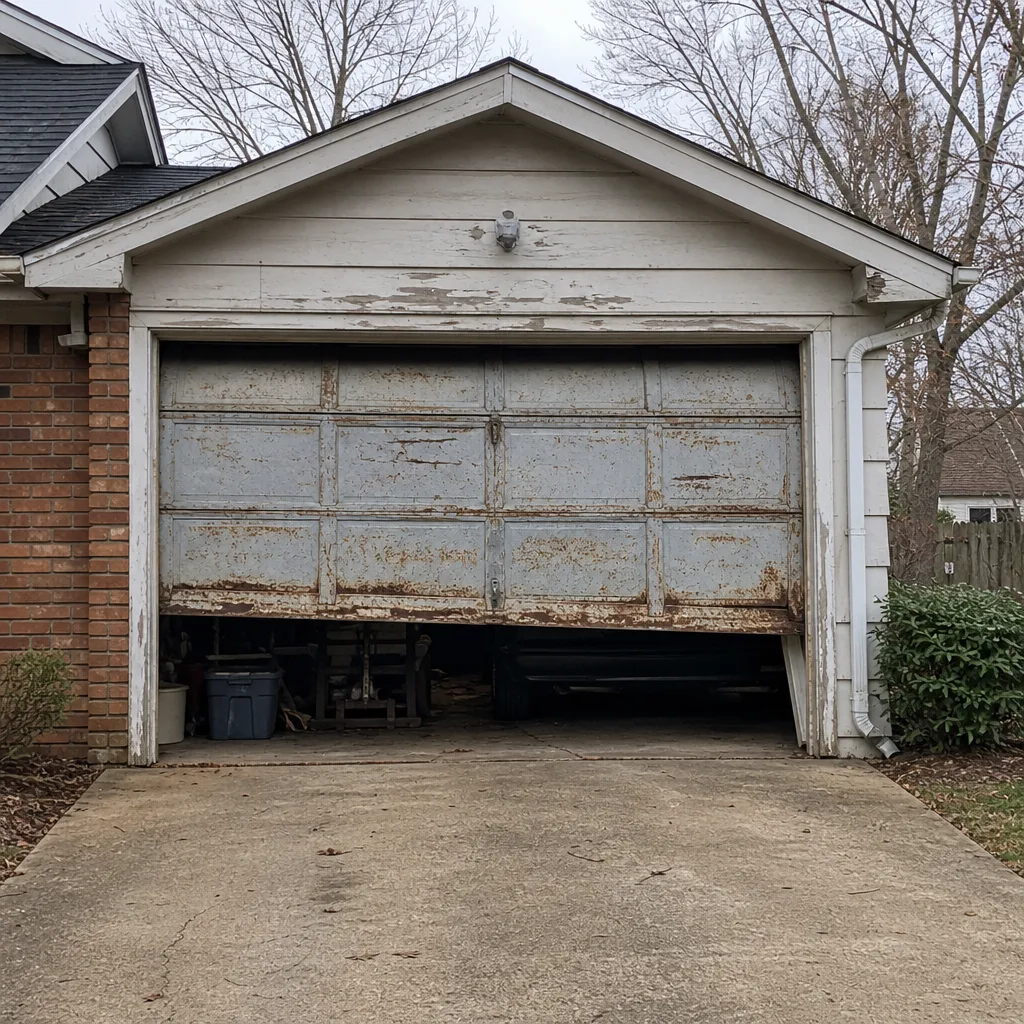 Before
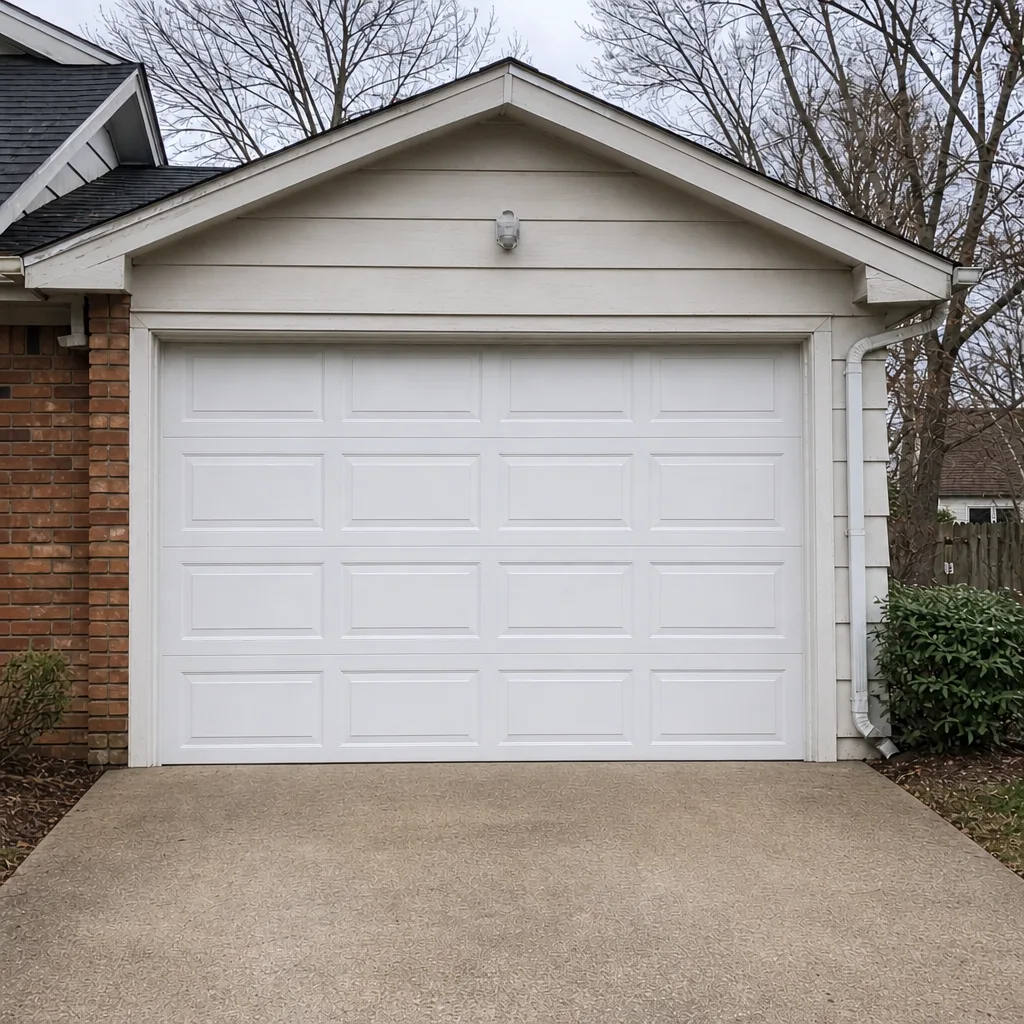 After
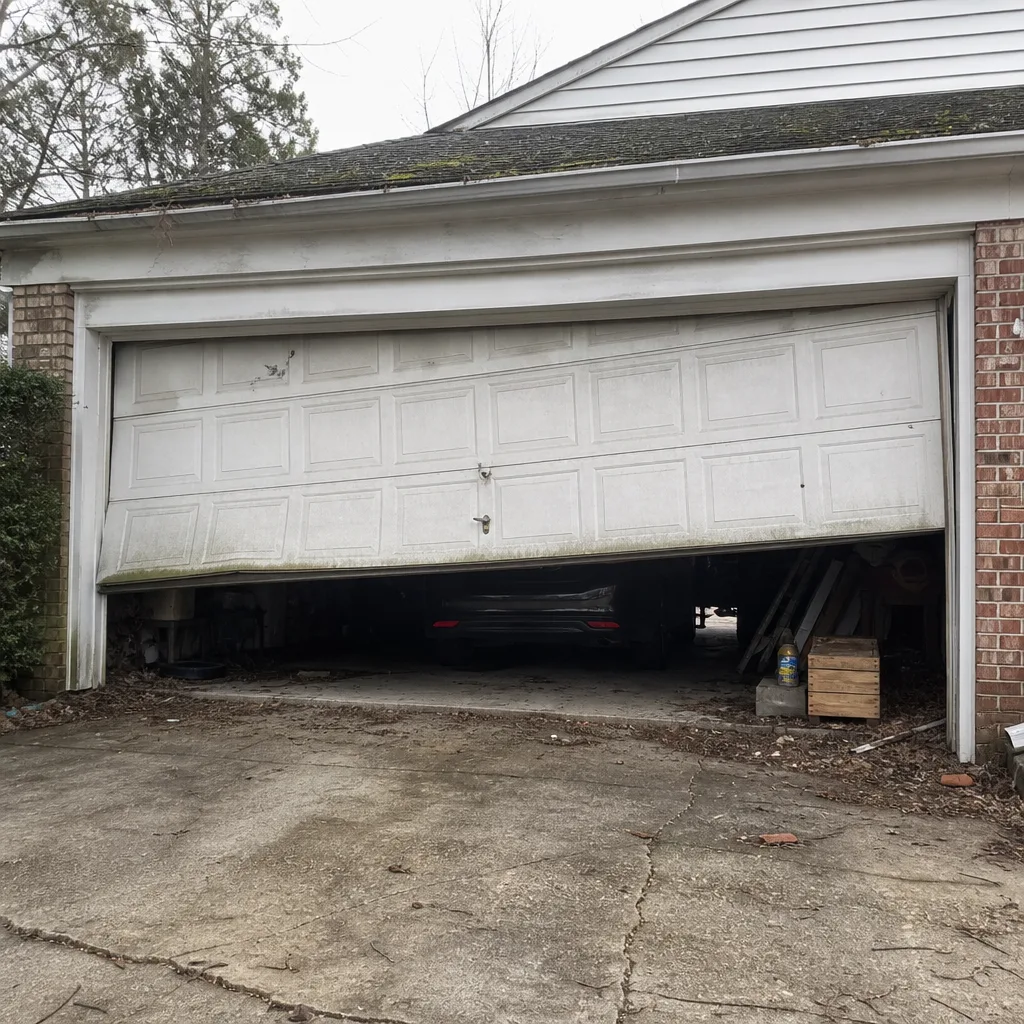 Before
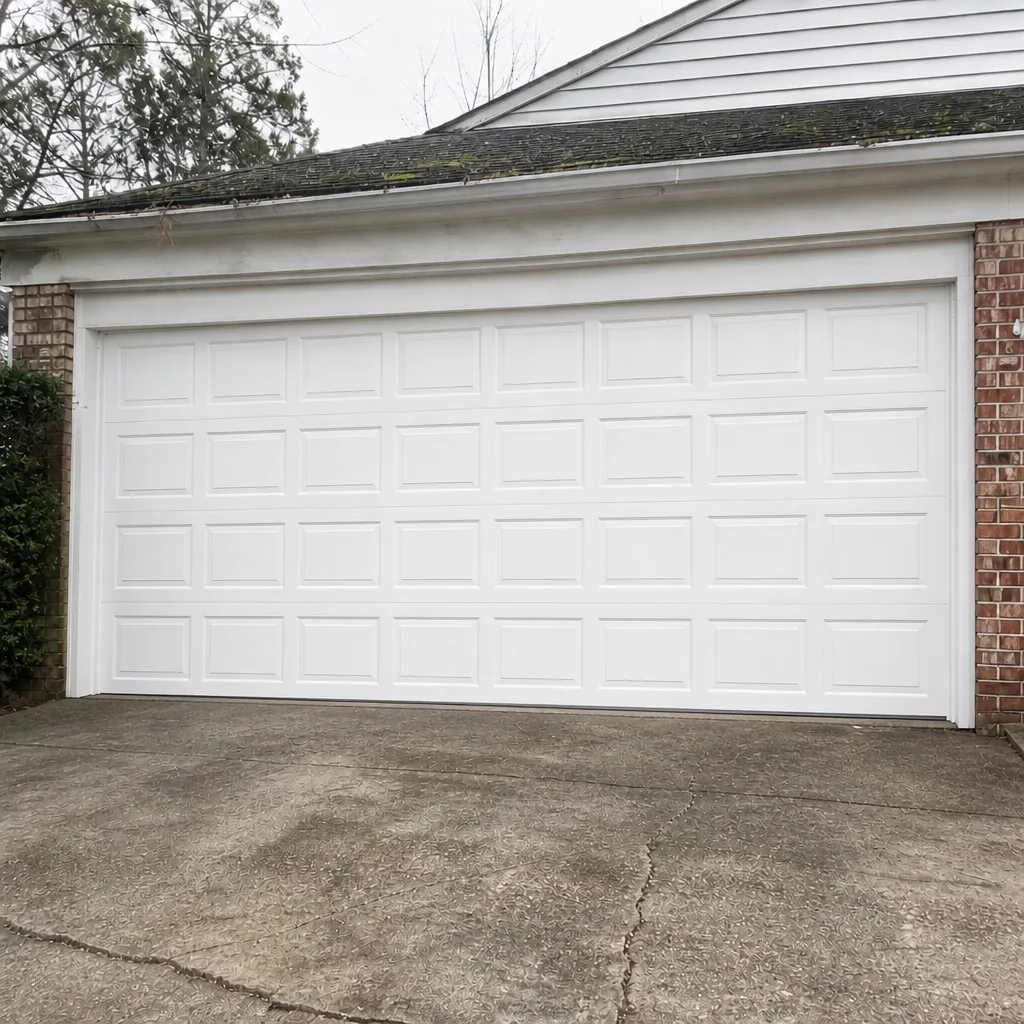 After
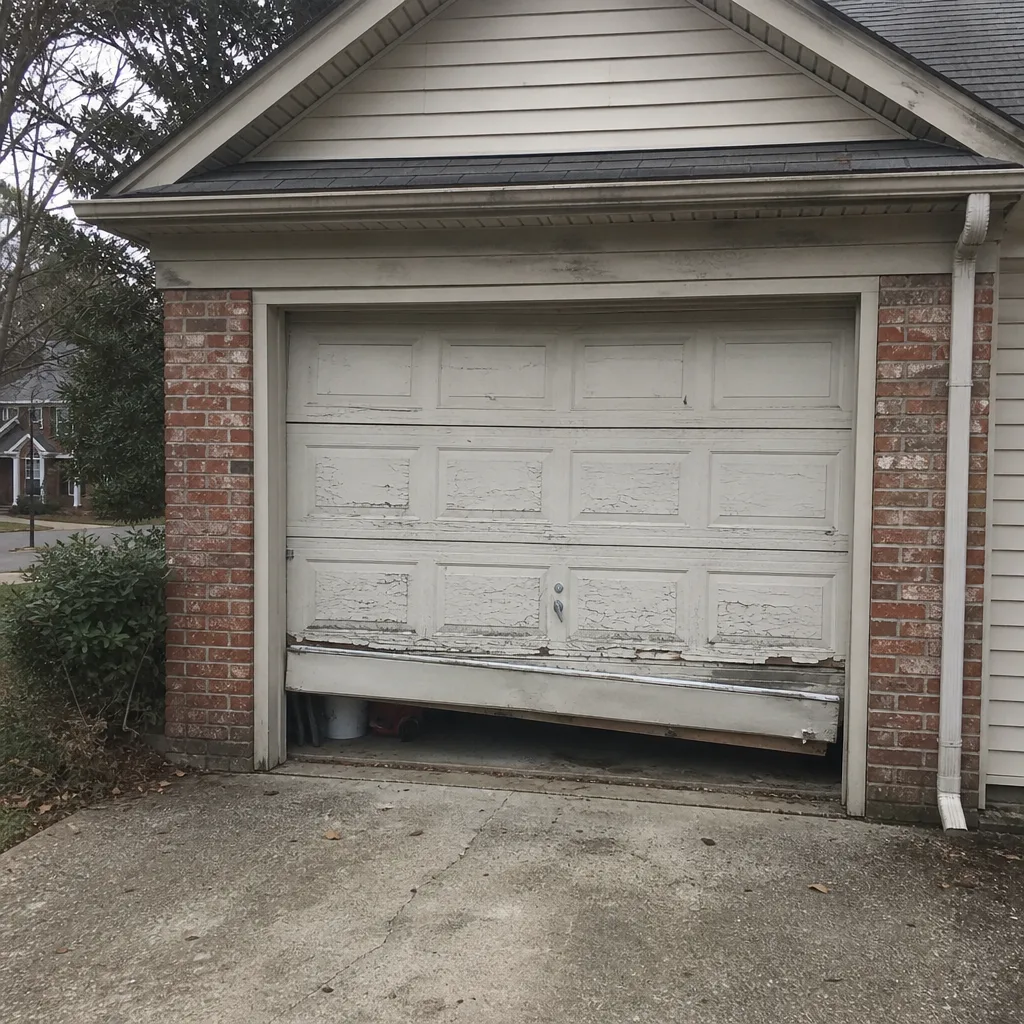 Before
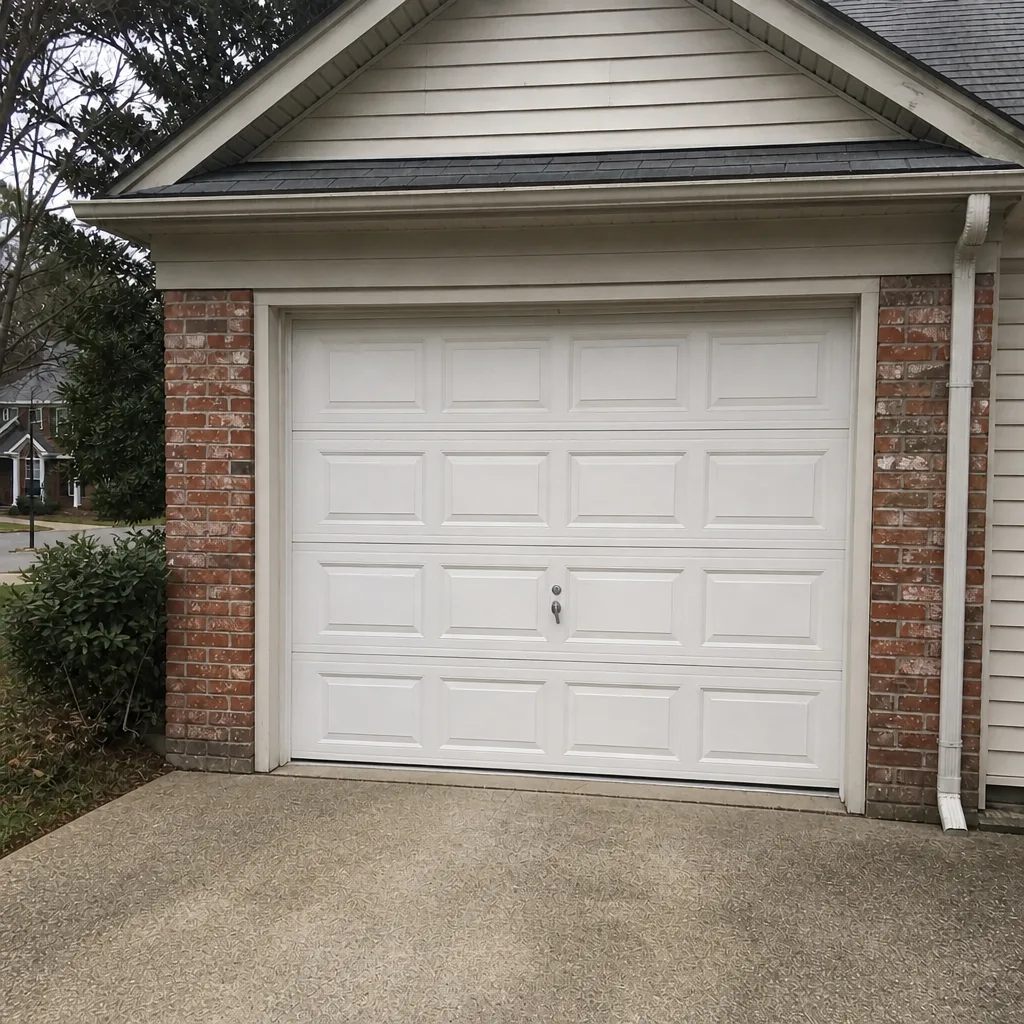 After
When to Call a Professional
Some warning signs are safe to watch, and some need a call now. Call a professional if a spring has visibly separated or broken, if a cable is frayed or slack, if the door is binding on the tracks, if the door has come off the tracks entirely, or if the safety sensors won’t realign. Call sooner rather than later if the door has started slowing down, if the opener runs without moving the door, or if you see bowing or cracking at the hinge points. Any of these are signals that a trained technician should look at the system before it fails completely. Stallion Garage Door Service offers free estimates in Richmond – call (844) 834-1312. We answer 24/7. Fast dispatch from 7am to 7pm, Sunday through Friday.
Frequently Asked Questions
The most common are a door that travels more slowly than it used to, grinding or squealing during travel, visible gaps between spring coils, rust streaks on the springs, and a door that lifts unevenly. Any one of these is worth noting; two or more together mean the system needs a look. Call (844) 834-1312 for an exact assessment – estimates are free.
Spring repair in Richmond is priced per spring and depends on the door, the spring type, and whether a matched pair is being replaced together (a pair costs about twice a single spring). We give a written estimate before any work starts, and that estimate is the price. Call (844) 834-1312 for a free estimate on your door.
Yes – same-day service is often available for repair calls. We answer 24/7, and fast dispatch runs from 7am to 7pm, Sunday through Friday. A call outside dispatch hours is booked into the next opening. Call (844) 834-1312 and we’ll get you on the schedule.
No. The written estimate we give you before any work starts is the price you pay. If we find something during the visit that changes the scope – a hidden cable issue or a panel that needs replacing – we’ll tell you before we touch it, not after. Call (844) 834-1312 for an exact quote – estimates are free.
A deep metallic groan usually means a torsion spring under load is straining against fatigue. It’s the sound of the component most likely to break outright, and it’s the one we’d want to hear about first. If you can describe the noise and when it happens, call (844) 834-1312 – we can usually tell you how urgent it is.
Yes. We service eight of the most widely installed brands – LiftMaster, Chamberlain, Genie, Clopay, Amarr, Wayne Dalton, Craftsman, and Raynor – and we don’t turn a door away because we haven’t seen the make recently. If your door is one of those, we’ve worked on it. Call (844) 834-1312 for a free estimate.
The Bottom Line
The most expensive garage door repairs are rarely the ones that come out of nowhere. They’re the ones that were visible for weeks – the growing spring gap, the grinding roller, the panel cracking at the hinge – and nobody looked. Catching those signals early usually means a minor adjustment or a single worn part. Missing them usually means a spring, a cable, or an opener. In Richmond, the humidity and the temperature swings accelerate the timeline a little, which is why the early signal is worth more here than in a milder climate. If something sounds different, looks wrong, or just doesn’t feel like last month, get it looked at. The team at Richmond is ready to help – call (844) 834-1312 for a free estimate. We answer 24/7. Fast dispatch from 7am to 7pm, Sunday through Friday.
Written by the team at Stallion Garage Door Service.