
Last updated November 15, 2026
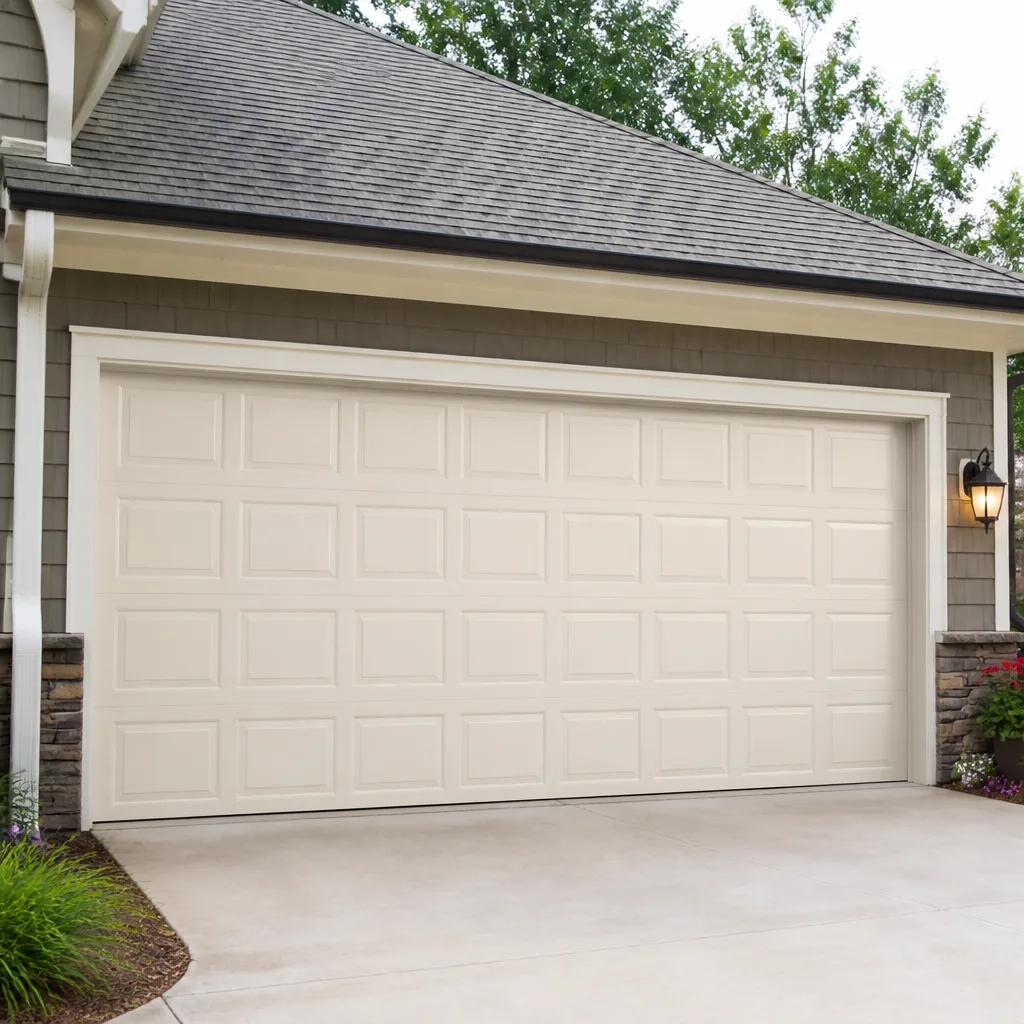 Raised-panel steel
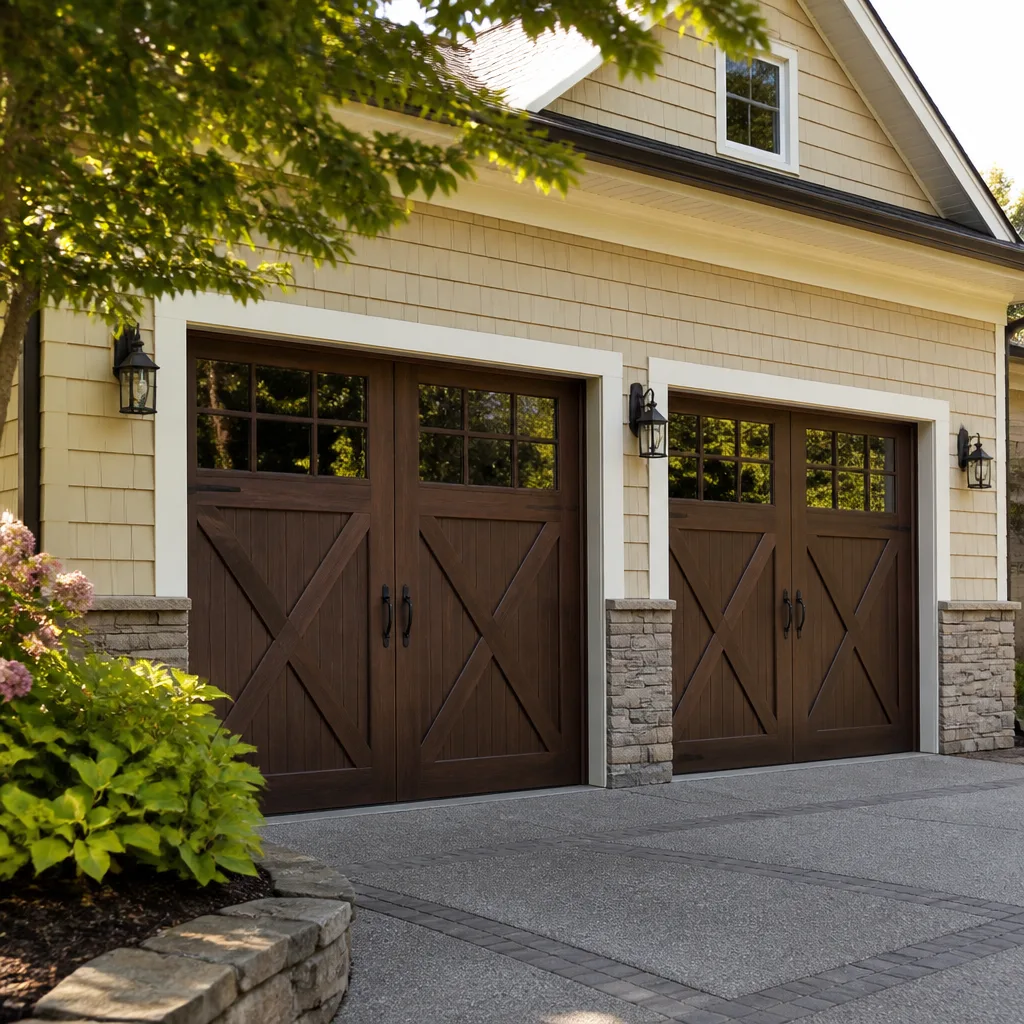 Carriage house
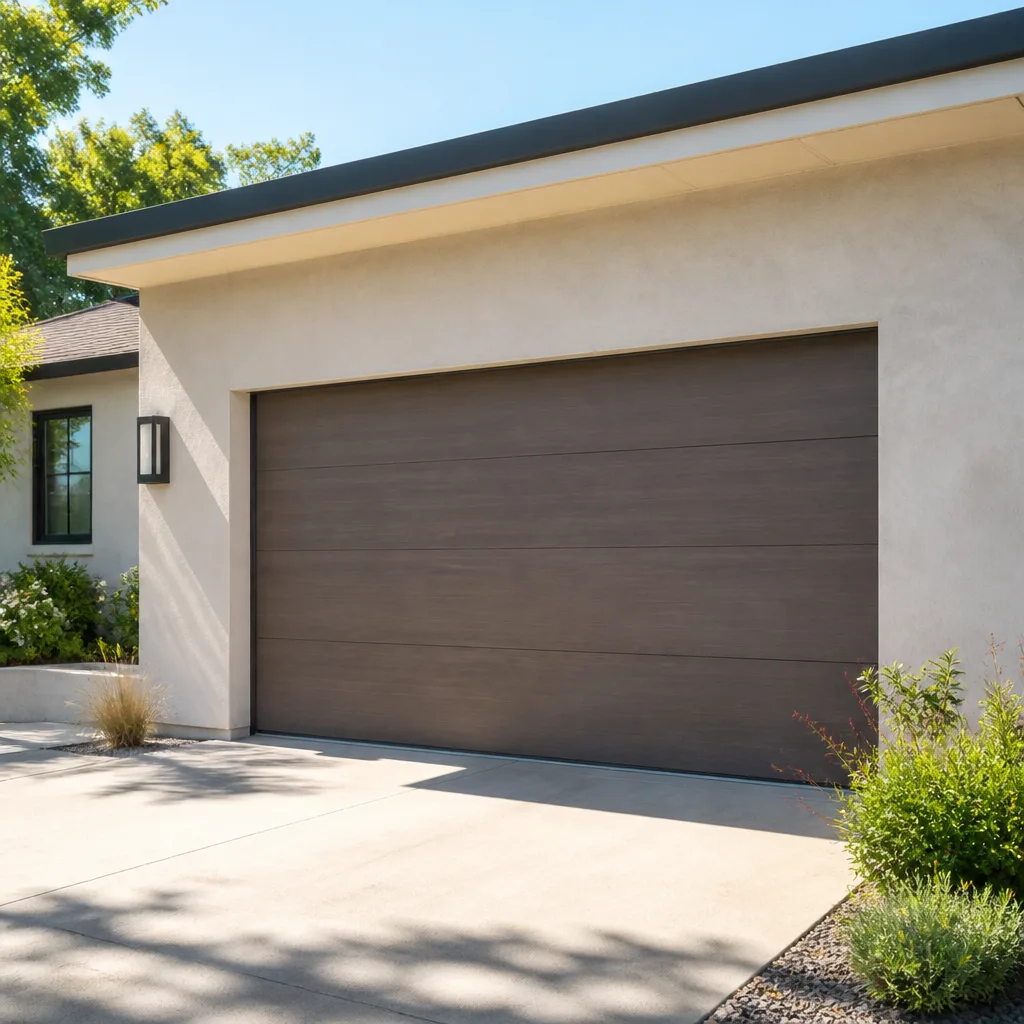 Modern flush
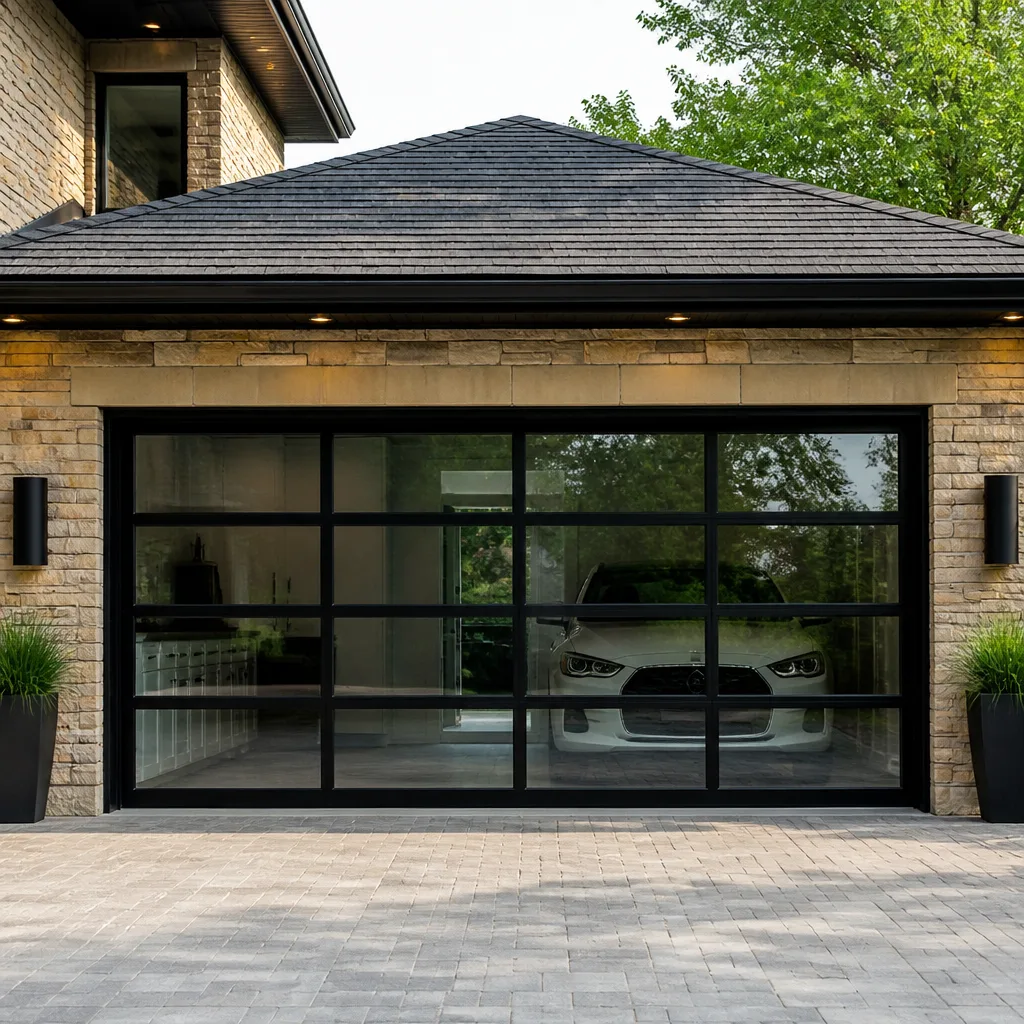 Full-view glass
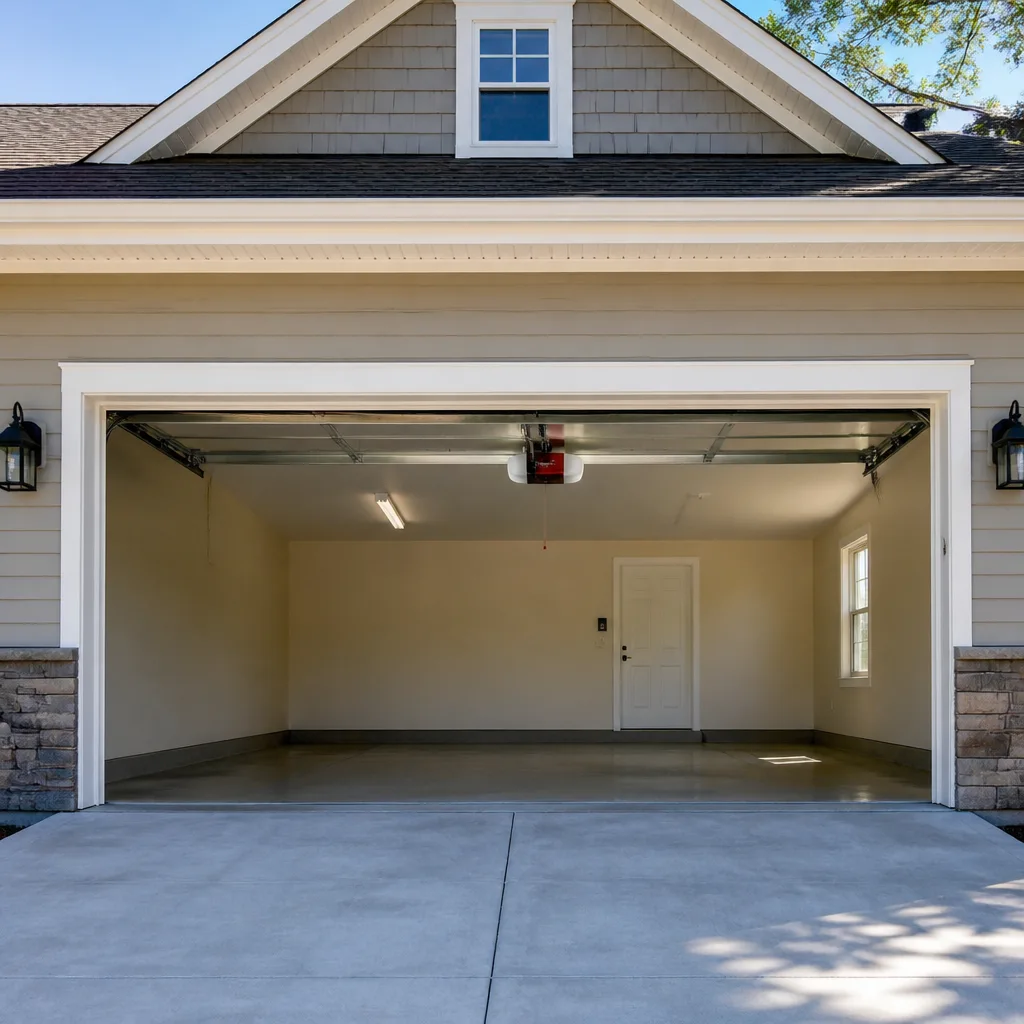 LiftMaster openers
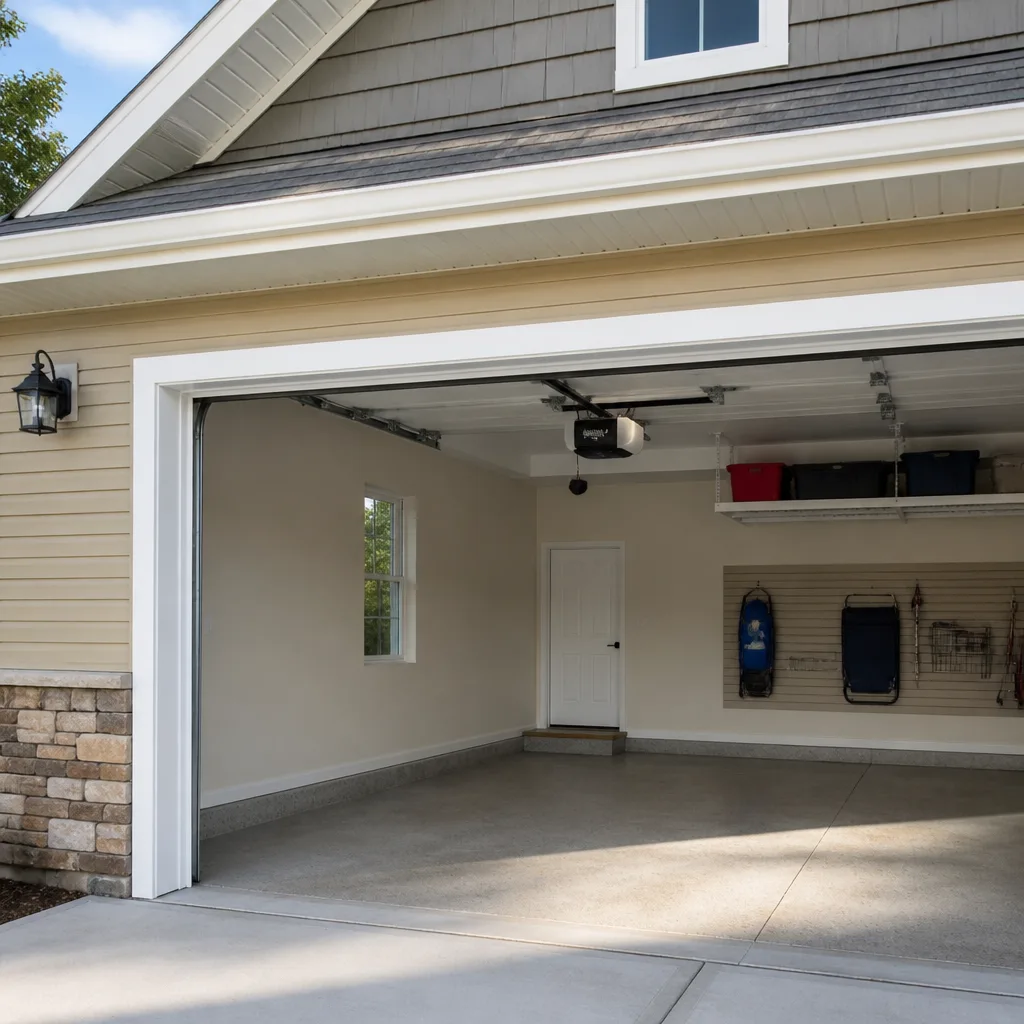 Chamberlain openers
Full 25-point door and opener safety check with every visit - springs, cables, rollers, tracks, and your LiftMaster or Chamberlain opener included
You get a price before we start. It does not change when the pro arrives.
Get your free estimateChoosing the Right Garage Door Brand: A Buyer’s Guide for Richmond
Most garage door brand guides read like manufacturer brochures: a parade of finish options, decorative hardware, and photos of doors under perfect lighting. That’s not how you choose a brand. The door that matters isn’t the one in the showroom. It’s the one still working properly five years from now, in a Richmond summer that pushes humidity past 90 percent, through a winter that swings from mild to freezing inside a week. The real question isn’t which brand looks best. It’s which brand you can still get parts for when a panel gets dented and the opener finally quits. This guide compares the eight most-installed brands on the things Richmond homeowners actually live with: local parts availability, climate performance, steel specs, warranty terms, and known failure patterns.
Styles & brands we work with
- Raised-panel steel
- Carriage house
- Modern flush
- Full-view glass
- LiftMaster openers
- Chamberlain openers
Quick Answer
The right garage door brand in Richmond is the one with local parts and panel availability, a steel gauge and insulation spec that match your exposure, and a warranty you can actually use. Clopay and Amarr lead on insulated steel construction and broad panel selection. LiftMaster and Chamberlain dominate openers. Genie and Craftsman are widely installed and straightforward to service. Wayne Dalton and Raynor hold their own when their specific parts are stocked locally. The brand matters less than whether your installer and your service technician can get the right parts without a factory wait.
Table of Contents
- Why the Brand Matters More Here Than You Think
- The Eight Brands You’ll Find in Richmond Garages
- Head-to-Head: Insulation, Steel Gauge, and Warranty
- Local Parts and Panel Availability in Richmond
- How Richmond Humidity and UV Treat Each Brand
- Brand-Specific Failure Patterns We See in Service Work
- Stick With Your Brand or Switch on Replacement?
- How to Choose: A Step-by-Step Process
Why the Brand Matters More Here Than You Think
A garage door is a system, not a single product. The panels, hinges, rollers, springs, cables, tracks, and opener all wear on different timelines. When one part fails, the brand determines how fast and how cheaply you get back to normal. A brand guide that only talks about looks skips the part that costs money.
The most beautiful door in a catalog is useless if its replacement panels are on a long factory backorder when a panel gets dented. Two of the eight most popular brands installed in Richmond run into exactly that supply chain problem: their specific panels and hardware often have to be factory-ordered rather than pulled from a distributor’s shelf. That difference shows up as weeks without a working door, or a mismatched patch job you’ll notice every time you pull into the driveway.
A few things drive the practical outcome of any brand choice:
- Panel and part availability. A brand with local distribution gets you the right part fast. A brand without it means factory lead times.
- Steel gauge and construction. Thicker steel resists dents better. Cheaper doors use thinner steel and lighter gauge hardware that wears faster.
- Insulation value. Insulated doors hold up better against heat, cut street noise, and feel sturdier when they move.
- Warranty coverage. Some warranties cover panels and hardware for years; others carve out the parts that actually fail.
- Finish quality. Paint systems and factory finishes vary enormously in how they hold up under UV and humidity.
In our experience handling every one of these brands, the brand you choose sets the ceiling on how well your door performs and how expensive it is to keep working. Keep reading, and you’ll know how to compare them without trusting a single brochure.
The Eight Brands You’ll Find in Richmond Garages
If you’re shopping for the best garage door brand in Richmond VA, you’ll run into the same eight names again and again. Some make doors. Some make openers. A few cover both. Knowing which category each one sits in saves you a lot of confusion at the showroom.
Door manufacturers:
- Clopay – one of the most widely installed residential door brands in the country. Broad selection of steel, insulated, and decorative panels. Matches your home’s style well.
- Amarr – strong on insulated steel doors and value-driven construction. Panel selection and thermal options are competitive at the midrange.
- Wayne Dalton – ranges from builder-grade steel doors to insulated models. Widely found on Richmond homes older than about ten years.
- Raynor – smaller distribution than Clopay or Amarr, but solid doors. Parts availability depends on whether your local distributor stocks that line.
Opener manufacturers:
- LiftMaster – the most-installed opener brand by a wide margin. Jackshaft, belt, and chain drive units are all common in Richmond garages.
- Chamberlain – shares engineering with LiftMaster. Very common in newer homes and builder installs.
- Genie – durable belt and screw drive units. Found on many homes in the Richmond suburbs.
- Craftsman – older install base, still on plenty of doors around the region. Service is straightforward when you know the model family.
We service all eight. That matters because a shop that only carries one brand line will tell you it’s the best one. A specialist who works across eight will tell you the truth about each.
Head-to-Head: Insulation, Steel Gauge, and Warranty
Marketing language hides the interesting differences. Here’s how the brands compare on the specs that determine how a door actually feels and lasts. Specifically compare insulation value, steel gauge, and warranty terms – not marketing adjectives.
Insulation. Insulated doors come with either polystyrene or polyurethane foam. Polyurethane boards are denser and hold thermal value better; polystyrene is cheaper and easier to replace in patches. Clopay and Amarr both offer strong polyurethane options in their insulated lines. Wayne Dalton covers the midrange with polystyrene and polyurethane options depending on the model. Uninsulated doors are fine for detached garages but perform poorly when the garage wall shares a room with the house.
Steel gauge. Gauge numbers get confusing because lower numbers are thicker, not thinner. A 24-gauge panel is thicker than a 27-gauge one. Two-doors in nearly identical style can be built with different gauge steel and a big real-world difference in dent resistance. Ask specifically what gauge the panel face and the frame use. If the salesperson can’t answer, that’s a signal.
Warranty terms. Manufacturer warranties vary widely by line, not just brand. A premium Clopay line and an entry-level Clopay line can carry completely different warranty lengths and coverage. Most warranties cover the door panels and sections, but exclude labor, springs, and wear items. Read what’s covered before you sign, and ask who handles a claim: the manufacturer directly, the distributor, or your installer.
Here’s a practical comparison list to bring to any showroom:
- What gauge steel is the door face? What gauge is the frame?
- Is the core polystyrene or polyurethane? What thickness?
- What’s the warranty on panels, hardware, and finish – separately?
- Are replacement panels sold to the public through local distributors, or factory-only?
- What finish system is used, and how is it rated for UV and humidity?
- Which opener brand does the installer recommend, and why?
Local Parts and Panel Availability in Richmond
This is the single most overlooked factor in garage door brand selection, and the one that will cost you the most over the life of the door. A door isn’t a one-and-done purchase. Panels get dented. Hinges and rollers wear out. Bottom seals split. Springs break.
When something fails, the question is whether the replacement part is on a local shelf or a factory backorder. In our experience in Richmond, the brands with local distribution networks through building supply houses and door-focused distributors are the ones you can patch or repair fast. Brands that require factory ordering mean waiting – sometimes a week, sometimes longer – for a panel or specific hardware piece.
The pattern in Richmond roughly sorts like this:
- Strong local availability: Clopay and Amarr panels, hardware, and standard parts are generally well-stocked through regional building supply distributors. You can typically match a dented panel or replace a hinge within days.
- Good but variable: LiftMaster, Chamberlain, and Genie opener parts are broadly stocked. Drive gears, circuit boards, and remotes are easy to source. Decorative hardware varies more.
- Depends on the line: Wayne Dalton covers a huge range with different distribution depth per model. Entry-level lines stock well; specialty lines and colors often don’t.
- Factory-order common: Raynor and some Craftsman parts often require factory ordering through the original supplier channel. Plan ahead when you know the door needs a panel.
One practical step before you buy any new door: ask the salesperson to name a Richmond-area distributor that stocks replacement panels for the exact model you’re considering. If they can name one, you have local parts. If they can’t, you have a factory wait built into every future problem.
How Richmond Humidity and UV Treat Each Brand
Richmond’s climate is tough on exterior finishes. Summers bring sustained humidity and heavy UV exposure. Springs and summers swing from cool to hot within a week. Winters are milder than farther north but still bring freeze-thaw cycles on door seals and tracks. A finish that looks fine in a showroom can fade, chalk, or peel on a west-facing door within a few years if the paint system isn’t up to it.
Over a five-year window, here’s what matters most:
- Factory-applied finishes beat field painting. A baked-on powder-coat or factory-painted panel resists UV fade far better than a door painted after installation. This is where Clopay and Amarr have an edge over bargain brands.
- Warranty on finish matters. Brands that back their finish for years of exposure – not just one – are telling you something about their paint system.
- Paint color choice matters. Dark colors in full sun read hotter and can show fading faster. Lighter, neutral palettes hold up better on Richmond doors facing south or west.
- Bottom seals and weatherstripping. Humidity swells wood trim and ages rubber seals. Every brand’s bottom seal needs replacement eventually; some brands’ seals are easier and cheaper to source locally.
- Steel vs. wood vs. composite. Steel holds up far better under Richmond humidity than natural wood if you’re not committed to annual maintenance. Composites and aluminum are good alternatives for style-heavy doors.
If your home is in one of Richmond’s older neighborhoods – the Fan, Church Hill, or Ginter Park – finish matters more than insulation because many garages there aren’t climate-attached. If you’re in the west end or near Short Pump, insulated steel panels usually perform better because the garage is closer to living space.
Brand-Specific Failure Patterns We See in Service Work
Every brand has weak points. A technician who works on all eight sees the same failure patterns repeat across thousands of doors. Knowing what a brand is prone to fail on tells you more about long-term cost than any warranty brochure.
Here are the failure patterns we regularly handle:
- Hinges and rollers. Entry and mid-range lines across brands wear their hinges and rollers first. The failure is usually visible in advance: loose screwing, smooth rollers grooving into the track, and noisy travel. Higher-gauge hardware lasts longer; some brands use identical hardware across price tiers and just change the label.
- Bottom seals and weatherstripping. Cheap or thin bottom seals crack and pull away from the door in 2-4 years depending on exposure. Some brands’ seals are easier to source locally, which makes replacing them cheaper.
- Struts and reinforcement. Wider doors and doors with openers need horizontal reinforcement struts to prevent bowing. Some brands ship doors reinforced from the factory; others leave it as a separate purchase. This matters when you’re installing an opener.
- Openers: drive gears and circuit boards. Genie and LiftMaster units commonly fail on drive gears or logic boards. Most opener brands share basic repair paths; the parts are the difference.
- Springs and cables. Spring quality varies by door line more than brand name. High-cycle springs and standard springs look alike from the outside but last very different amounts of time. Ask specifically what cycle rating you’re getting.
- Panel finish and color-match drift. If you’re replacing a single panel on an older door, finish match can fail even if the panel size matches. Local brands have more panel inventory to help chase a match; factory-order brands sometimes can’t match older colors at all.
None of these are disqualifiers. But a homeowner who goes in knowing a brand’s weak spots chooses a better model within that brand rather than the cheapest one on the line.
Stick With Your Brand or Switch on Replacement?
Homeowners ask this more than any other question: if I’m replacing my door, do I switch brands? The answer usually isn’t about the brand you have. It’s about the parts and opener you’re locked into.
Reasons to stick with the same brand:
- Your opener, sensors, and remotes all match. Changing door brands is fine, but changing openeral types sometimes means new hardware.
- The existing panel colors and hardware types are still available from the brand. A partial replacement or panel match is easy.
- Your installer is familiar with the brand and its distributor relationships.
Reasons to switch:
- You’ve been waiting weeks for a replacement panel on the current brand.
- You want features the brand doesn’t offer: better insulation, a wider style range, or stronger steel at the same price point.
- Replacement hardware, springs, or opener parts are only available factory-order.
- You’re doing a full replacement anyway, so brand continuity saves you nothing.
The compatibility issue most often surprises homeowners: openers and doors interact through hardware, not brand. A Wayne Dalton door will work with a LiftMaster opener. A Clopay door will work with a Genie opener. What actually needs to match is t
See the difference
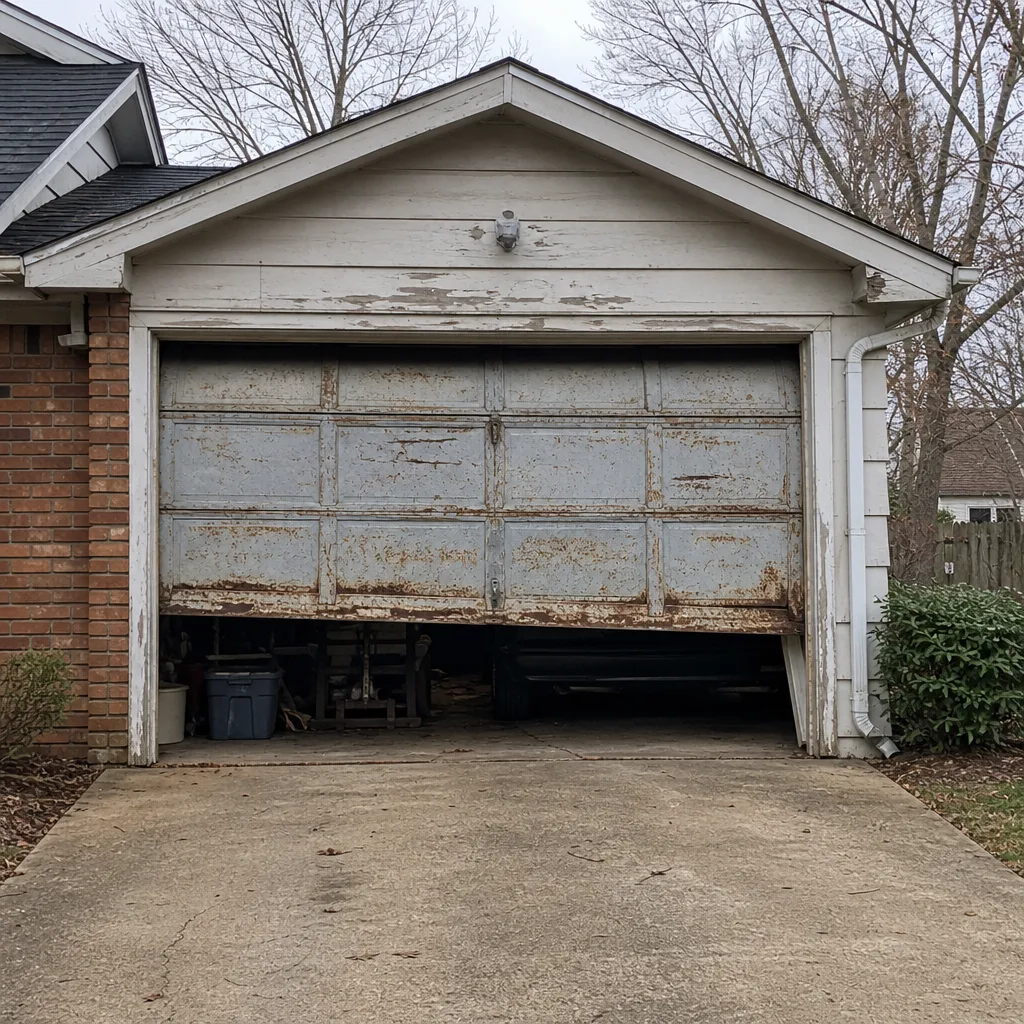 Before
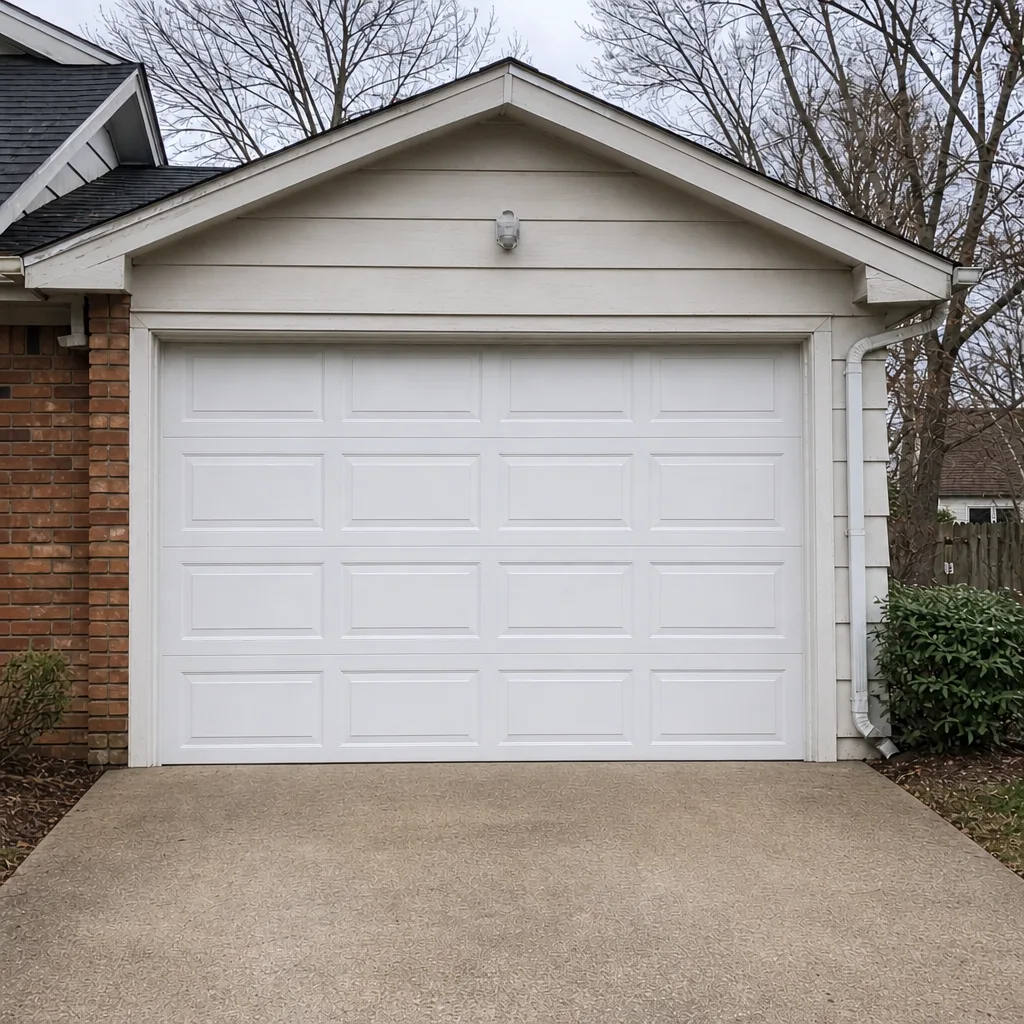 After
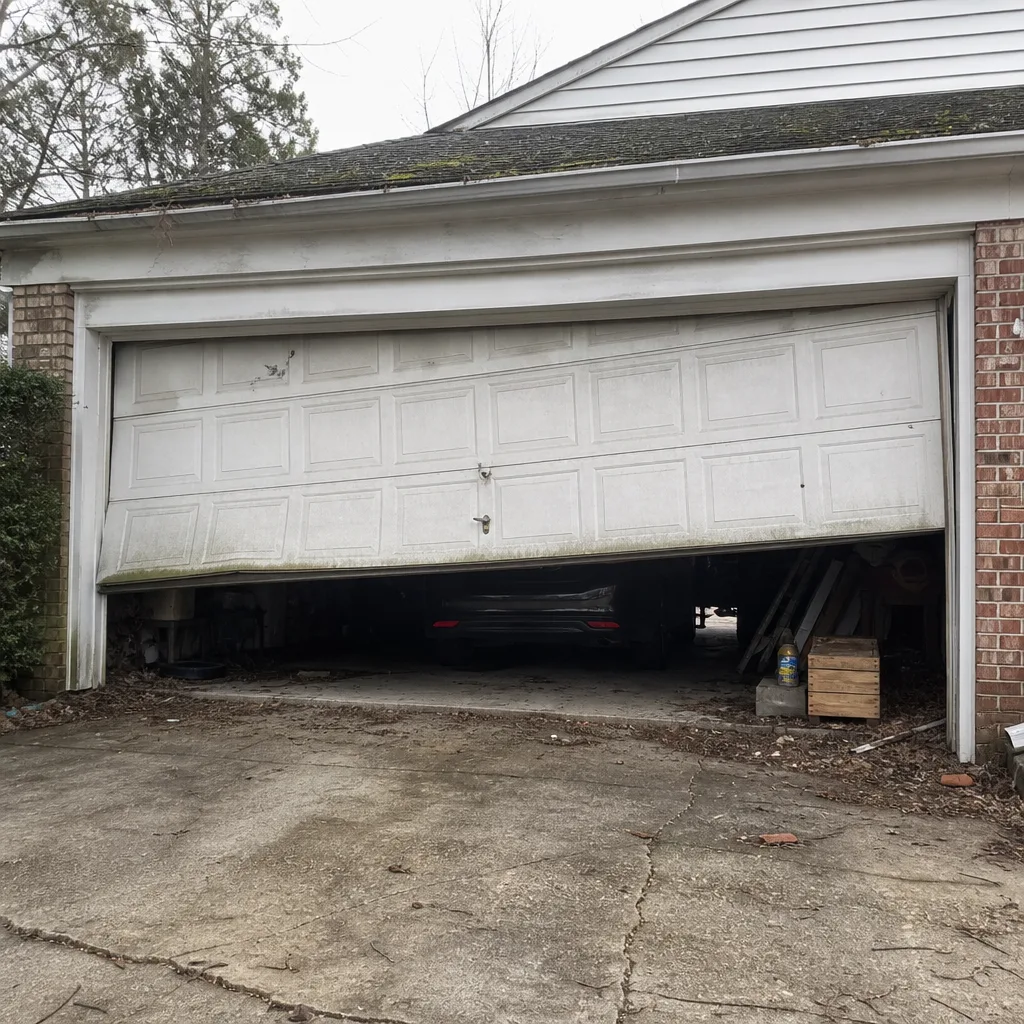 Before
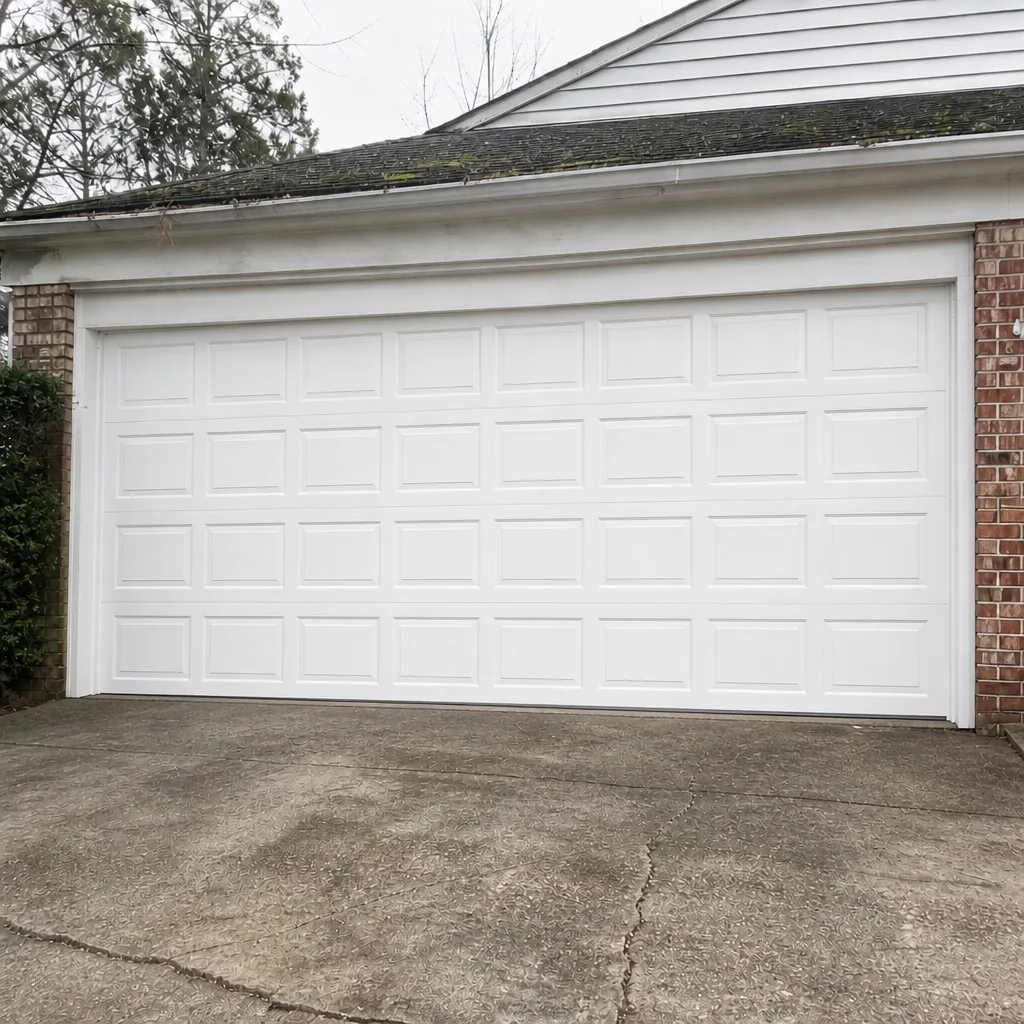 After
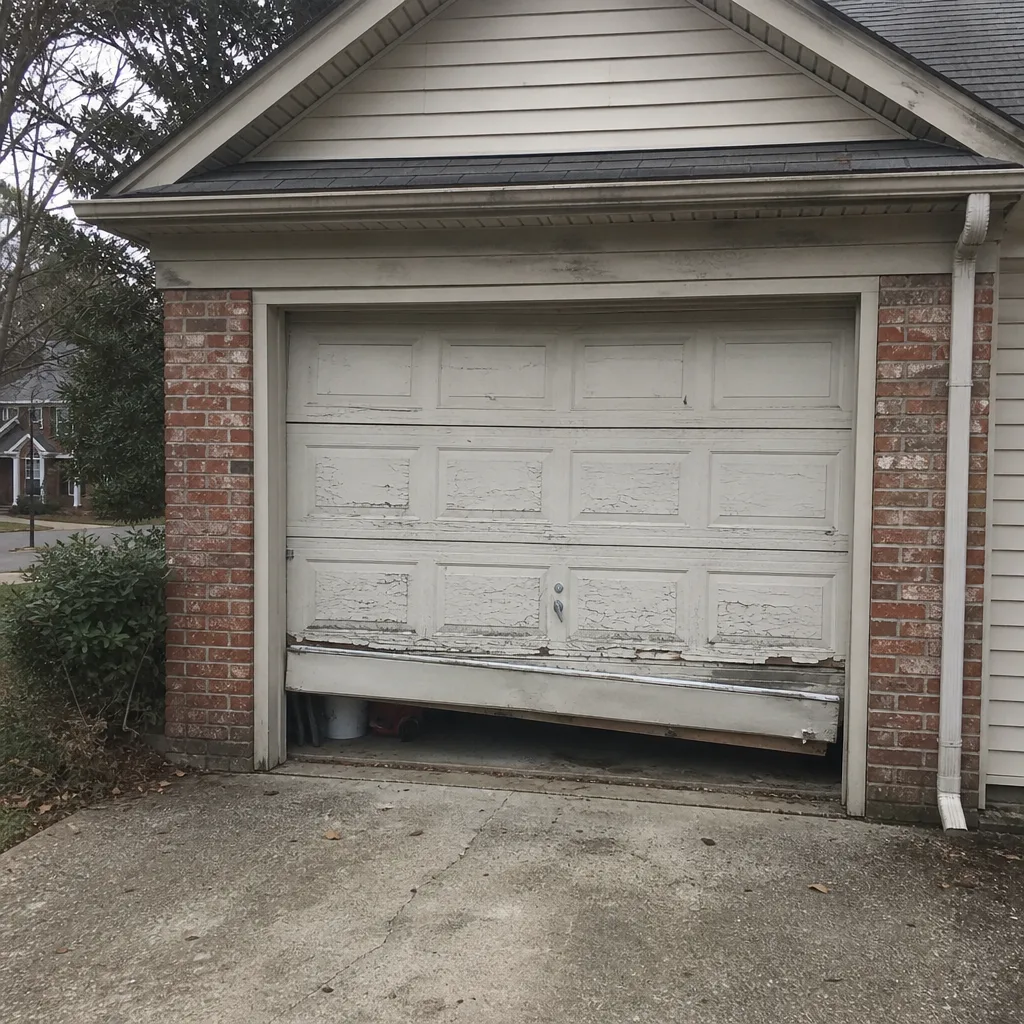 Before
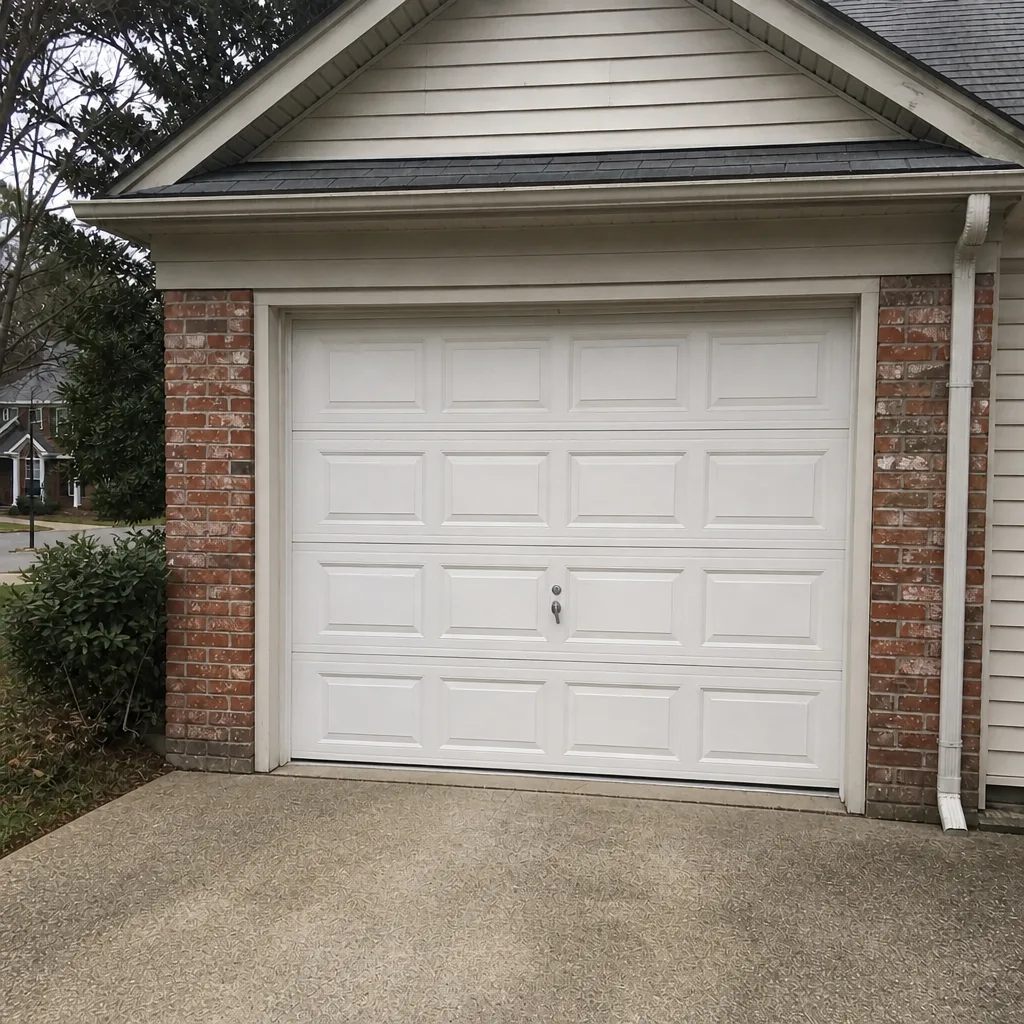 After