
Last updated November 15, 2026
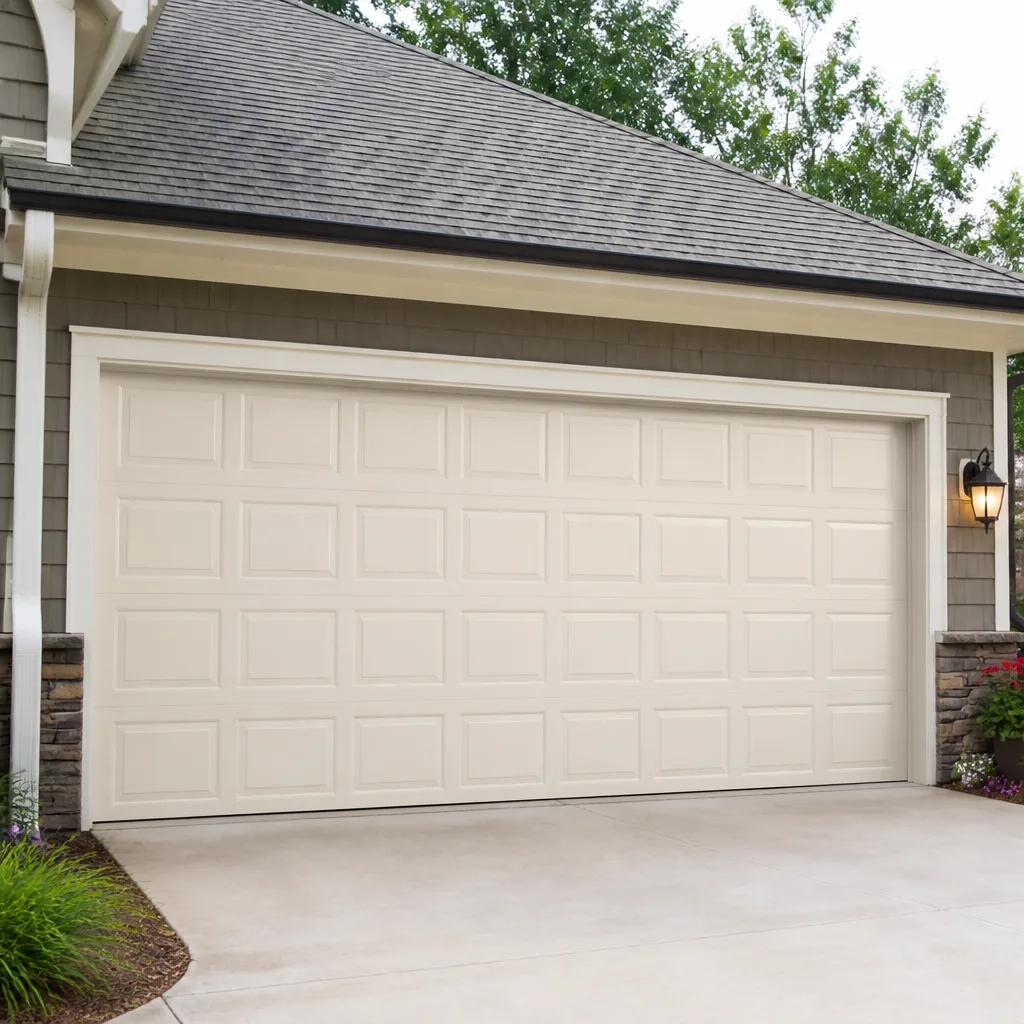 Raised-panel steel
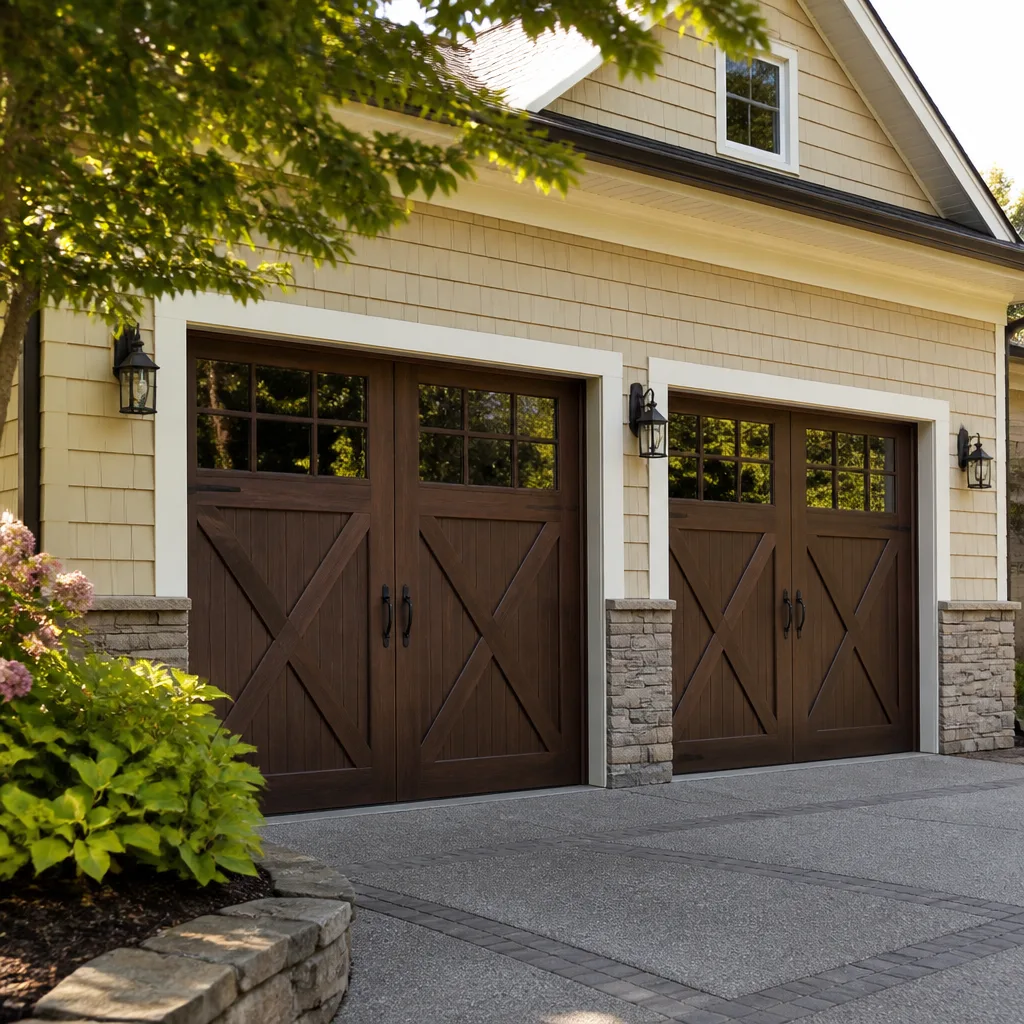 Carriage house
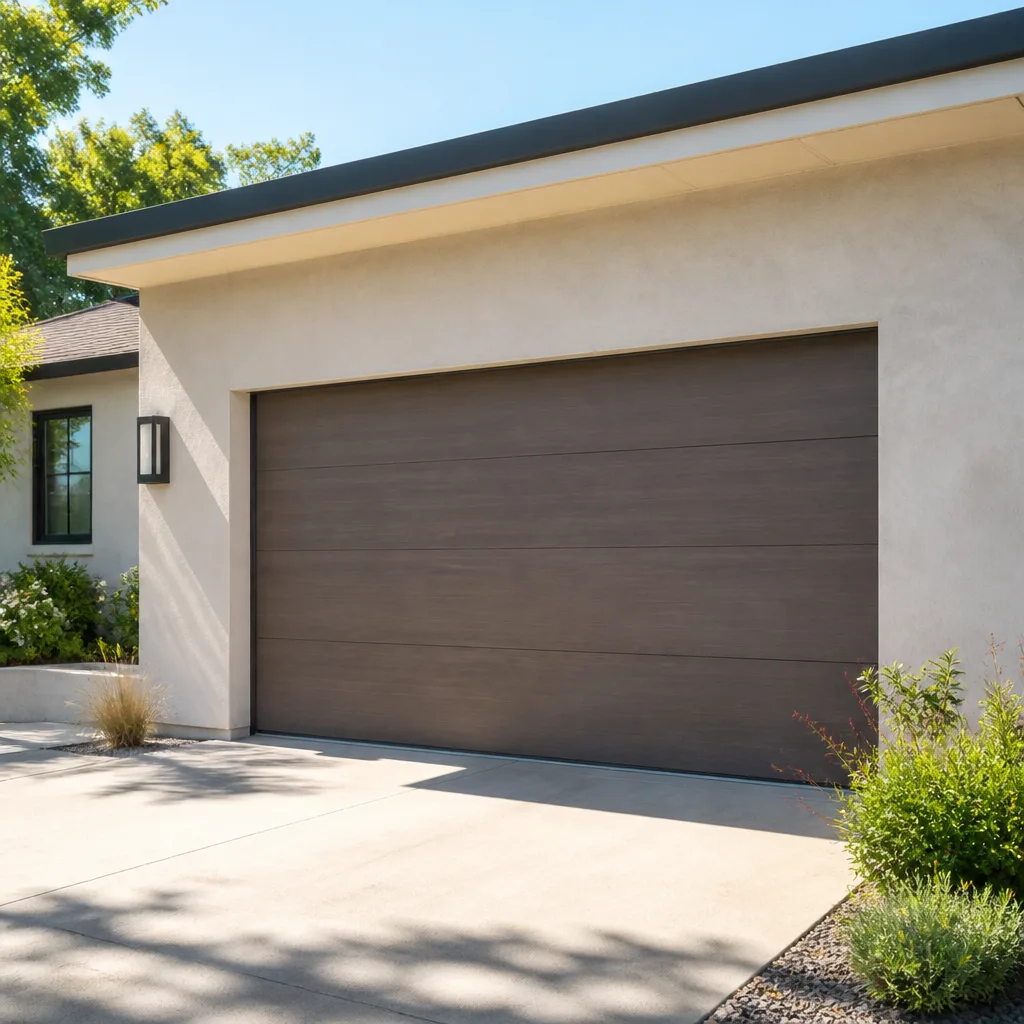 Modern flush
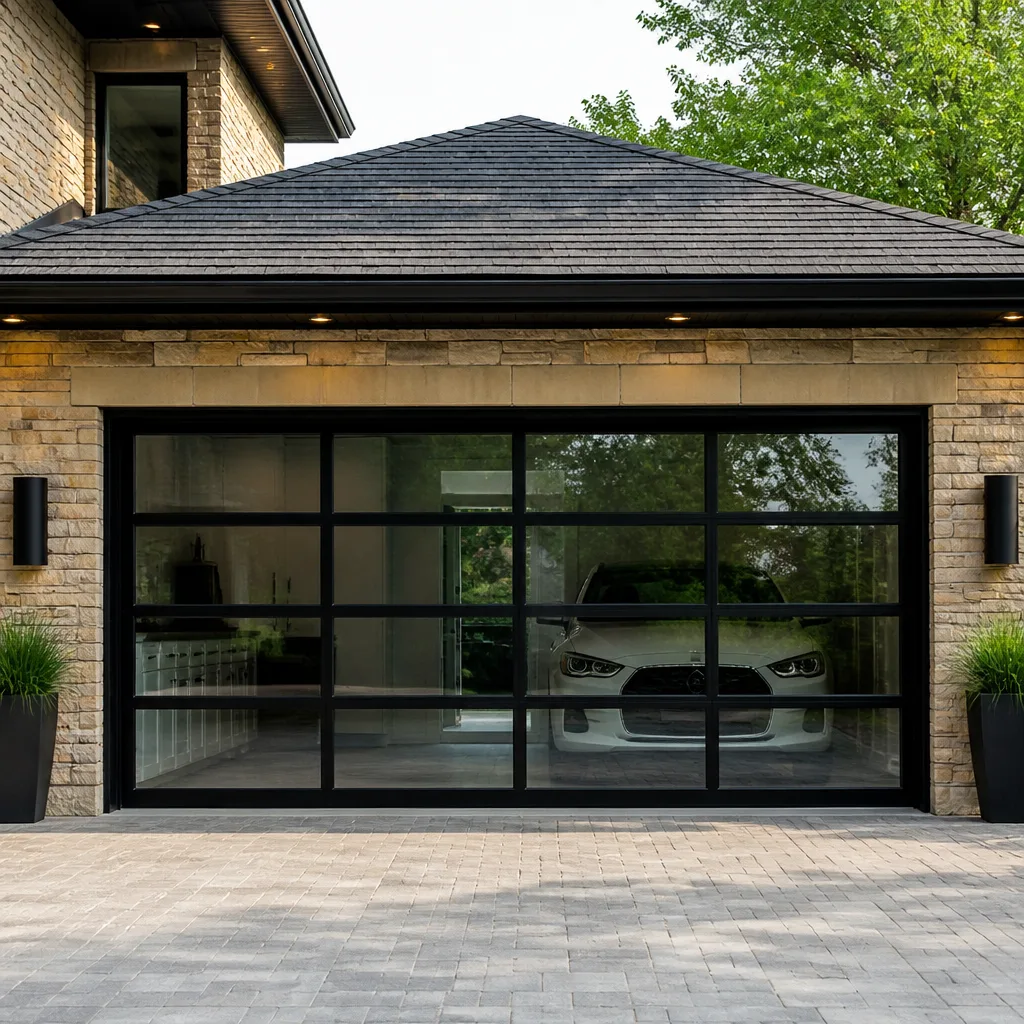 Full-view glass
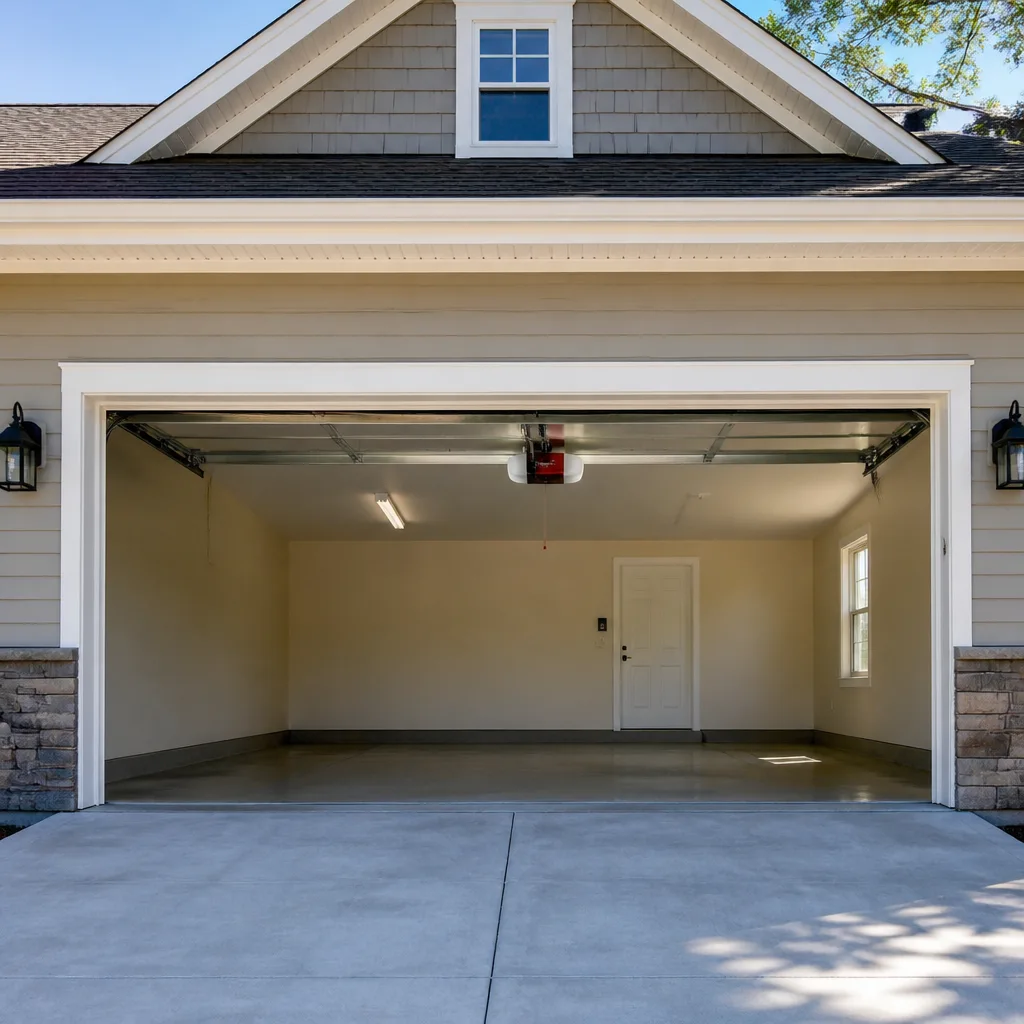 LiftMaster openers
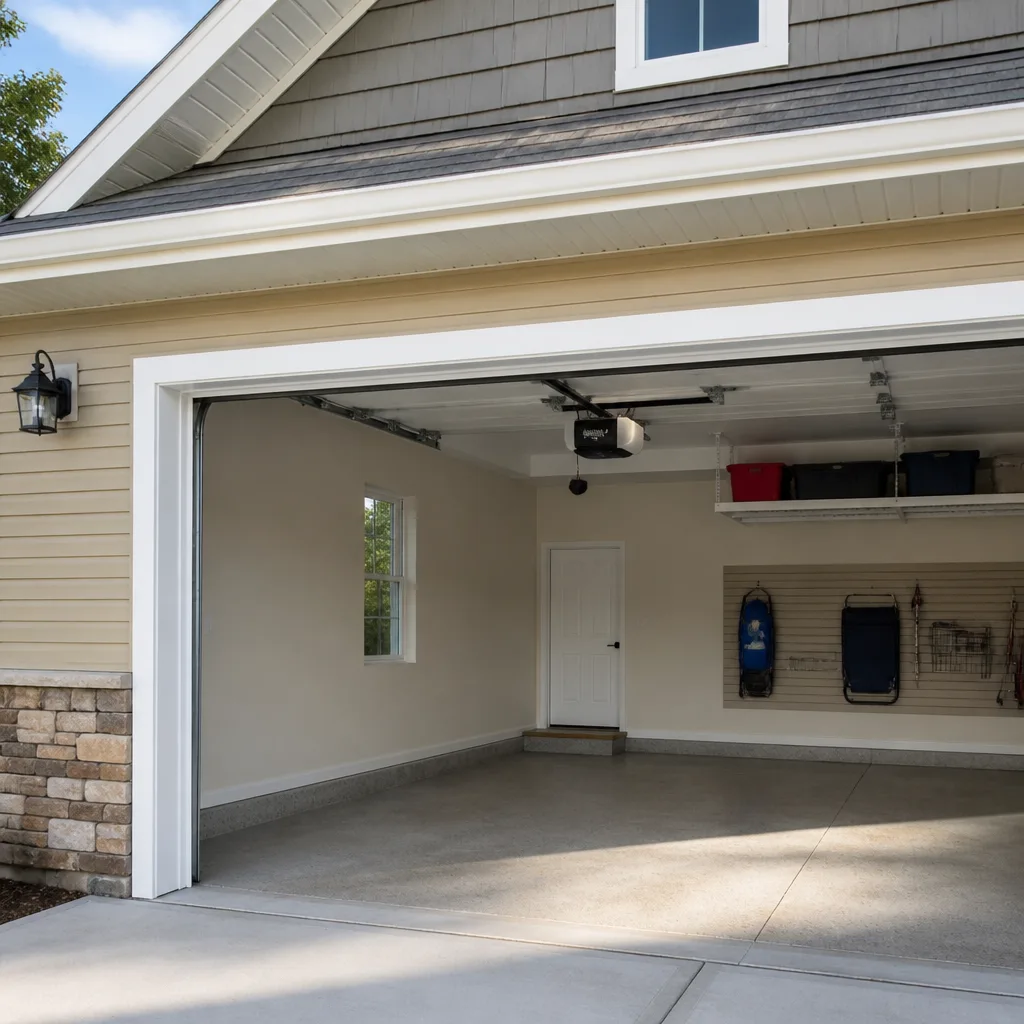 Chamberlain openers
Full 25-point door and opener safety check with every visit - springs, cables, rollers, tracks, and your LiftMaster or Chamberlain opener included
You get a price before we start. It does not change when the pro arrives.
Get your free estimateGarage Door Cost Breakdown: The Richmond Homeowner’s Reference for 2026
Two homeowners on the same block can replace what looks like the same steel garage door and end up with wildly different bills – not because one contractor is gouging and the other isn’t, but because “a steel door” describes a price span wide enough to hold a used sedan or a decent vacation. The variables that actually move the number are rarely explained: spring configuration, insulation value, opener class, and the labor realities of the Richmond market. Most cost guides hand you one range per category and stop there. This reference goes inside the range and shows you what occupies each tier, so you can budget with your eyes open before anyone pulls into your driveway. We’ll cover replacement, repair, spring systems, openers, and the line items every honest quote should include.
Quick Answer
A standard single-car steel garage door replacement in Richmond typically runs $800 to $1,800 installed, while a double-car insulated door with an opener commonly lands between $1,800 and $3,500. Spring replacement alone is usually $180 to $340 per spring, and a matched pair costs about twice a single spring. The written estimate – quoted and agreed before work starts – sets the final price, and every number in this guide is a typical range, not a promise.
Styles & brands we work with
- Raised-panel steel
- Carriage house
- Modern flush
- Full-view glass
- LiftMaster openers
- Chamberlain openers
Table of Contents
- Why a Steel Door Spans $800 to $2,500
- Spring System Pricing by Configuration
- Opener Costs by Drive Type and Smart Features
- Repair vs. Replacement: The Crossover Point
- Labor Variables in the Richmond Market
- Line Items Every Legitimate Quote Should Show
- Vague Charges That Signal Invoice Padding
- Building a Realistic Budget in Steps
Why a Steel Door Spans $800 to $2,500
When a homeowner hears “steel door,” they picture one product. In reality, steel garage doors are a family of products spread across three distinct price tiers, and knowing which tier you’re being quoted is the single biggest factor in controlling your budget. The steel gauge, the insulation, the finish, and the hardware package all shift as you climb.
The entry tier: $800 to $1,200
At the bottom of the range you’re looking at a single-layer steel door – one sheet of steel with a stamped panel design, no insulation, and a basic hardware set. These doors are common on older Richmond homes and rental properties. They do the job of opening and closing, but they transmit noise, don’t hold temperature, and can dent more easily than a heavier panel.
The middle tier: $1,200 to $1,800
Step up and you get a two-layer door: steel skin bonded to a polystyrene insulation core. This is where most Richmond homeowners land, and for good reason. The insulation quiets the door, adds a modest thermal buffer for attached garages, and the heavier panel feels more substantial in operation. A Clopay or Amarr door in this tier is a common sight in neighborhoods like the West End and Henrico’s older subdivisions.
The upper tier: $1,800 to $2,500 and beyond
At the top you find three-layer construction: steel front, steel back, and a polyurethane core between them, often with a higher-grade finish and upgraded hinges, rollers, and struts. These doors are heavier, quieter, and better sealed. On a double-car opening, this tier with a smart opener is where you approach the $3,500 mark. A Wayne Dalton or Raynor door in this class is built to last through years of Richmond’s heat and humidity without the finish failing early.
Spring System Pricing by Configuration
Springs are the most misunderstood line item on any garage door invoice. They’re also the part that fails most often, and the part you should never touch yourself – a wound torsion spring stores enough energy to cause serious injury, which is why a trained technician handles every replacement. Pricing depends entirely on configuration.
Torsion vs. extension springs
Torsion springs mount above the door on a horizontal shaft and twist to counterbalance the weight. Extension springs run along the sides and stretch. Torsion systems are the modern standard and generally cost more per spring because of the hardware involved, but they last longer and operate more smoothly.
- Single torsion spring: typically $180 to $340 installed.
- Matched torsion pair: about twice a single spring, since both are replaced together.
- Extension spring (per spring): usually at the lower end of the same range.
- Spring plus cable and drum refresh: priced as a combined quote, not a la carte surprise.
Why Richmond’s temperature swings matter
Richmond sees real seasonal swings – humid summers that push into the 90s and winters that dip below freezing. Every one of those cycles works the steel in your springs. A spring that’s rated for a certain number of cycles will reach that count faster in a climate with sharp temperature changes than in a mild one. That’s why Richmond homeowners often replace springs every several years rather than getting a decade or more out of them. When we quote a spring replacement, we account for cycle rating, not just the part on the shelf.
If you’re hearing a sharp snap from the garage or the door won’t lift, that’s a spring failure, and it belongs with garage door repair, not a weekend project. Call (844) 834-1312 for an exact quote – estimates are free.
Opener Costs by Drive Type and Smart Features
The opener is the electronic half of your system, and it’s where “just replace the motor” can balloon into an unexpected upgrade if you don’t understand the drive types and their price bands. We service LiftMaster, Chamberlain, Genie, and Craftsman openers regularly, and the cost conversation almost always starts with the drive type.
Chain drive
The workhorse. Chain-drive openers are the least expensive to install, typically landing in the lower band of opener pricing. They’re loud but durable, and they handle heavier doors without complaint. Most builders install chain drive in new construction because it’s reliable and cost-effective.
Belt drive
Belt drive trades the chain for a reinforced rubber belt, which cuts the noise considerably. If your garage is under a bedroom or beside a living space, this matters. Belt drive usually costs a bit more than chain, but the quiet operation is worth it for many homeowners.
Smart and Wi-Fi-enabled openers
Modern openers with built-in Wi-Fi and app control sit at the top of the range. They let you open, close, and monitor the door from your phone, and some integrate with home automation systems. The price premium is real, but so is the convenience – especially for Richmond homeowners who want to confirm the door is closed after a long day.
Labor attached to opener work
Opener replacement labor is usually bundled into the installed price rather than billed separately. But if the existing wiring, safety sensors, or wall controls need to be updated to match a new unit, that’s a legitimate line item. A straightforward swap costs less in labor than one that requires re-running wire or relocating the head unit. For dedicated help, see our garage door opener repair page.
Repair vs. Replacement: The Crossover Point
The hardest call in garage door ownership is knowing when to stop repairing and start replacing. The honest answer: it depends on the age of the door, the cost of the failing part relative to a new door, and whether the structural panels have started to go. Here’s how we think through it.
When repair makes sense
- Single component failure: A snapped spring, a bent track, or a worn roller is a repair, not a replacement. These are isolated fixes.
- Opener replacement: If the door itself is sound but the motor has died, a new opener is far cheaper than a whole new system.
- Cosmetic damage: A dented bottom panel can often be swapped without replacing the door.
When replacement is the smarter money
- Multiple failing components: When springs, cables, rollers, and panels are all aging at once, the repair bill stacks up fast.
- Structural panel damage: A door with rotted or cracked panels can’t be safely repaired – replacement is the only option.
- Safety reversal: If the door has become heavy, unbalanced, or won’t reverse on contact, the system may be beyond economical repair.
In our experience, the crossover point sits roughly where the repair estimate reaches a meaningful fraction of a new door’s installed price. When that happens, replacement delivers a fresh mechanism, a fresh warranty, and better insulation all at once. It’s a judgment call, and a good technician will walk you through both numbers so you can decide. A free measure and written price is the right way to start.
Labor Variables in the Richmond Market
A door and an opener are only part of the equation. Labor moves the total, and in Richmond the labor side has its own specific shape. Here’s what actually drives the labor portion of your quote.
Access and workspace
A garage with clear space around the opening is faster to work in than one packed with stored boxes or a low ceiling that limits headroom. The technician needs room to maneuver a door panel and set up safely. Cramped or cluttered spaces add time, and time is a labor line.
Old-home quirks
Richmond has a deep stock of older homes – in areas like the Fan District or Church Hill, garages were often retrofitted into carriage houses or additions. That means out-of-square openings, unusual track widths, and wiring that predates modern safety standards. These jobs take longer because the technician has to fit new hardware to an imperfect opening.
Door weight and opener complexity
Heavier insulated doors need stronger springs and sometimes a beefier opener, and the installation labor reflects that. A full system replacement – door, tracks, springs, and opener – is measured and scheduled, not a same-day drop-in, so the labor is a planned job rather than a rush.
Code and permit checks
Most jurisdictions require a permit for structural changes to a garage opening, so it’s worth asking your city’s building department what applies before work begins. We’ll tell you what we know, but your city’s office has the final word. If you’re comparing bids in Richmond, a quote that includes permit awareness is a sign of a contractor who’s done this before.
Line Items Every Legitimate Quote Should Show
A quote you can trust shows its work. If a number appears without an explanation, ask. When we prepare an estimate, the following items should each have a clear place on the page:
- Door specification: brand, model, gauge, insulation type, and finish – not just “steel door.”
- Spring configuration: torsion or extension, single or matched pair, and cycle rating.
- Opener make and model: drive type, horsepower, and whether smart features are included.
- Hardware package: hinges, rollers, track, and any struts or reinforcement.
- Labor: installation or repair time, and whether it’s a single trip or scheduled.
- Disposal and haul-away: what happens to the old door and any packaging.
- Warranty terms: what’s covered and for how long, stated plainly.
That structure is the difference between an estimate and a guess. It also gives you something to compare if you’re weighing two quotes – apples to apples, line by line.
Vague Charges That Signal Invoice Padding
Not every high bid is dishonest and not every low bid is a bargain. But there are patterns that should make you slow down.
- “Shop supplies” with no detail: A legitimate shop charge should be small and specific. A vague percentage is a red flag.
- Mystery “adjustment” lines: If a charge shows up at the bottom with no explanation, ask what it covers before you sign.
- Spring prices that don’t say single or pair: Single vs. matched pair is a big difference; an ambiguous line is worth clarifying.
- No written scope: A verbal estimate with no spec sheet leaves you exposed if the parts installed aren’t what you thought.
- Pressure to decide on the spot: A specialist will give you the written price and let you think. Urgency to sign is its own warning.
Every quote we put together is itemized, and the price you agree to is the price on the invoice. That’s the standard you should hold any contractor to.
Building a Realistic Budget in Steps
If you’re planning a garage door project in Richmond this year, here’s a practical way to build your number before you call anyone.
- Identify the project type: repair, opener-only, or full system replacement. Each has a different range.
- Measure the opening: single or double car, and the height. This determines the door size and weight class.
- Choose your tier: entry, mid, or upper steel construction. Decide whether insulation matters for your garage’s use.
- Decide on drive type: chain for budget, belt for quiet, smart for app control.
- Add the spring system: torsion or extension, single or pair, as part of the full-system number.
- Reserve a contingency: older Richmond homes sometimes need track or wiring updates once work begins.
- Get a written estimate: compare line by line, not just at the bottom.
Follow those steps and you’ll walk into the conversation with a realistic number, which makes it far easier to spot a bid that’s padding or a price that’s too good to be true. A written estimate sets the final price, so the budget you build is the anchor for everything that follows.
Common Mistakes to Avoid
- Assuming “steel” means one price. Steel doors span several tiers, so a quote that doesn’t name the gauge, insulation, and finish is too vague to compare. Ask for the spec sheet before you judge the number.
- Skipping the matched-pair question. A single spring quote can look cheap, but if the other spring is the same age, you’ll likely be back in a short time. Ask whether a pair is recommended and why.
- Choosing an opener by price alone. A cheap chain drive is fine in a detached garage, but a belt drive is worth the premium when the garage shares a wall with a bedroom. Match the drive to the space.
- Ignoring Richmond’s seasonal wear. The temperature swings here work springs harder than in a mild climate, so cycle rating matters. A spring built for more cycles is a smarter buy even at a slightly higher price.
- Not checking permit needs. Structural changes to a garage opening often require a permit, and your city’s building department is the authority. Leaving that out can slow the job down.
- Taking a verbal estimate. A verbal number leaves you with no record of what was included. Insist on a written, itemized quote before any work starts.
- Trying to handle spring repair alone. Wound torsion springs store enough energy to cause serious injury. This is one job that always belongs with a trained technician.
See the difference
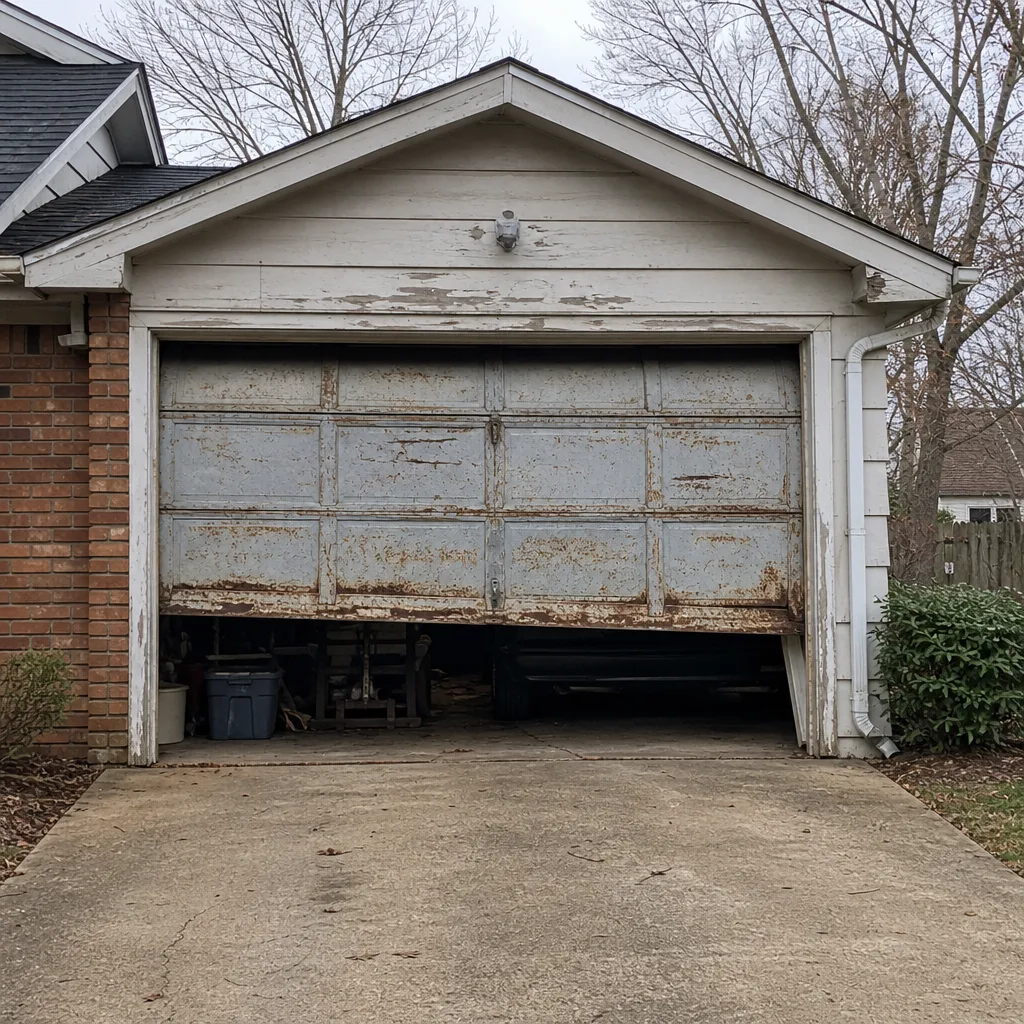 Before
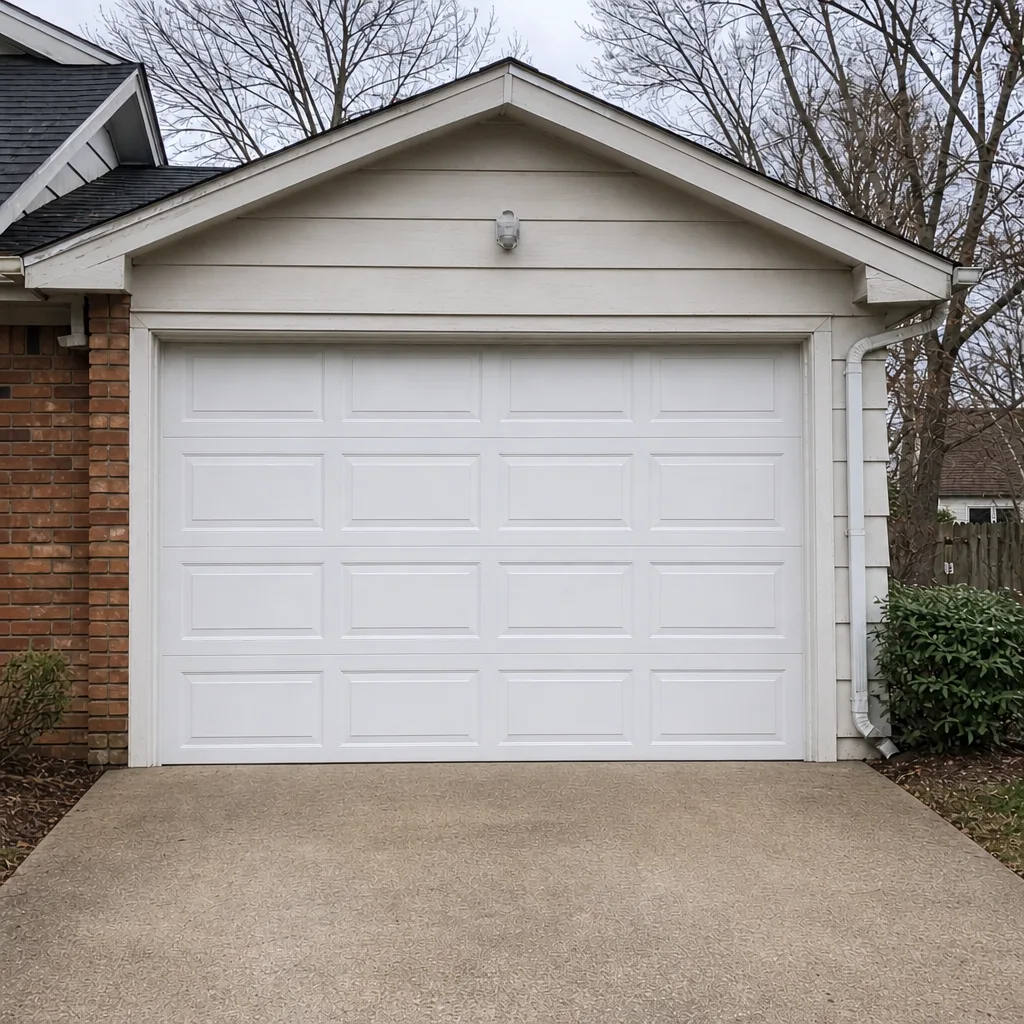 After
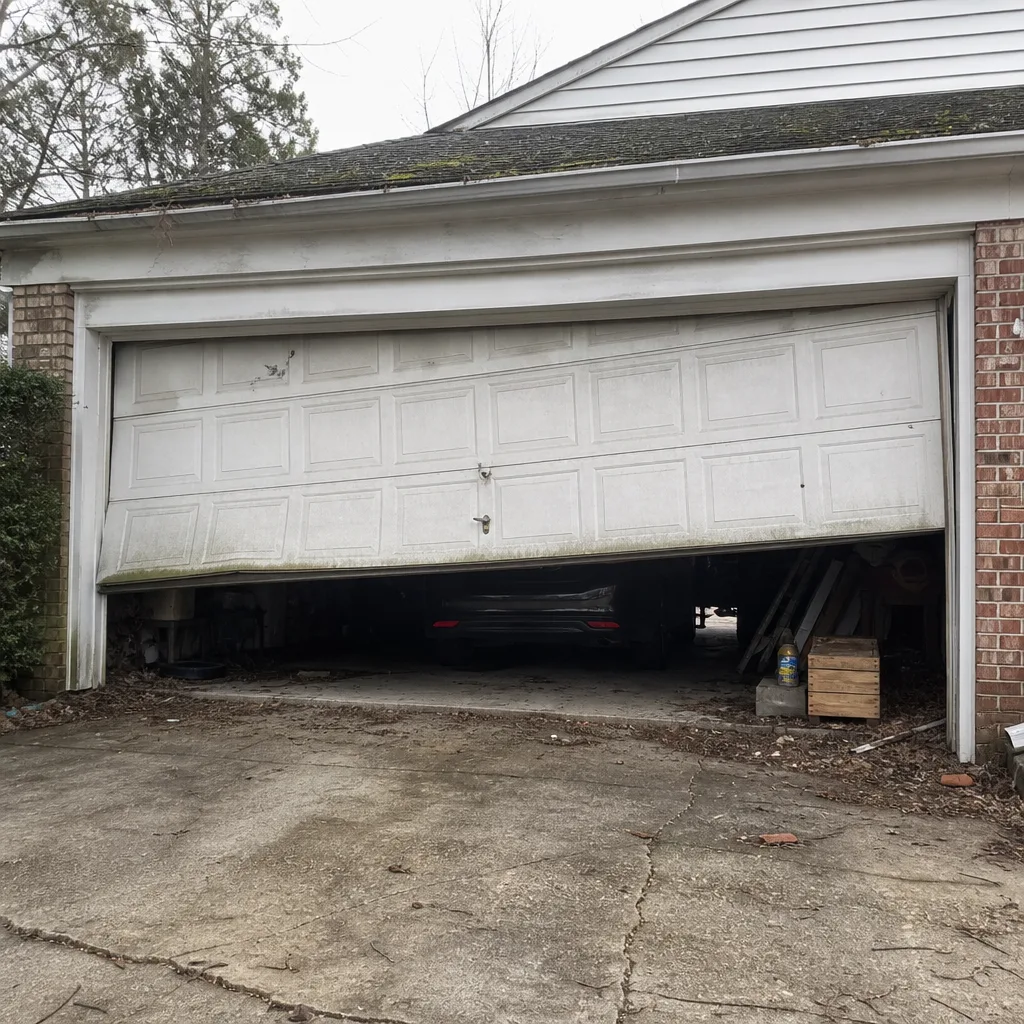 Before
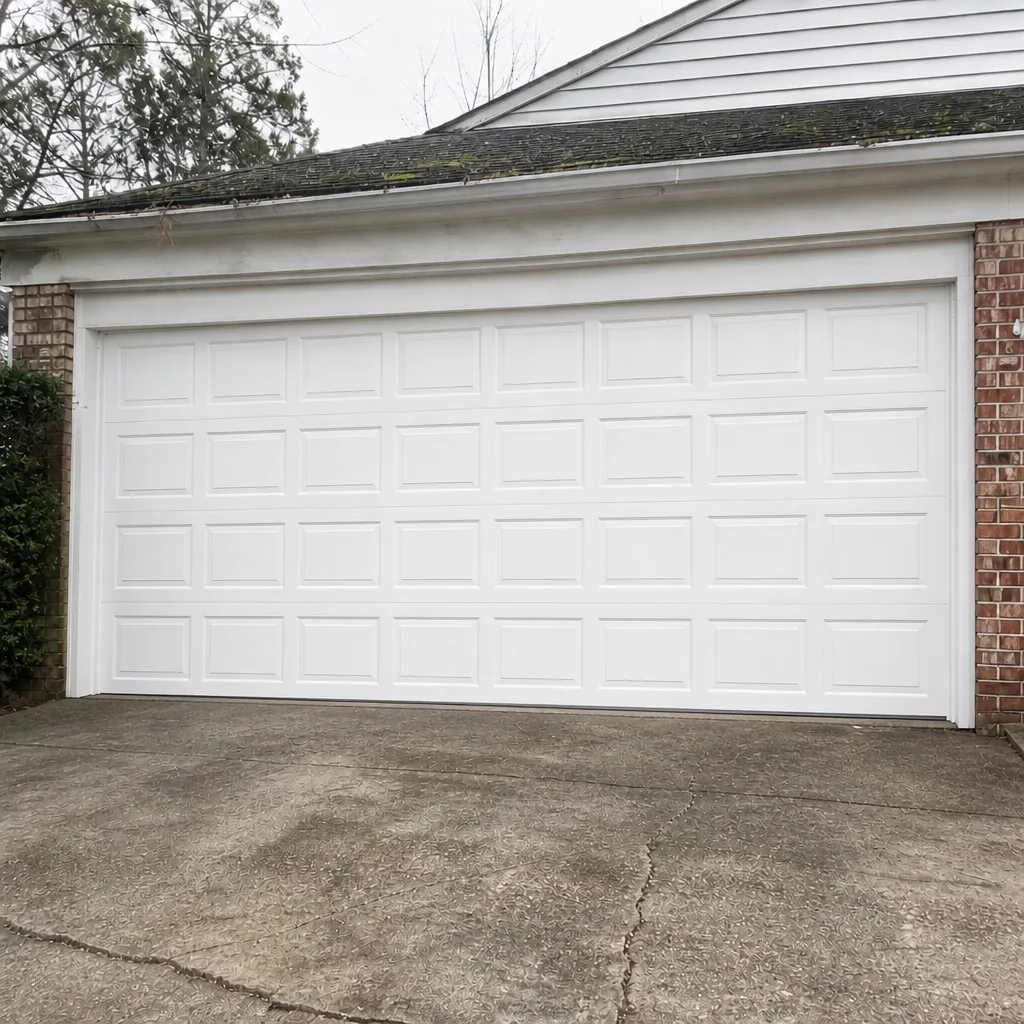 After
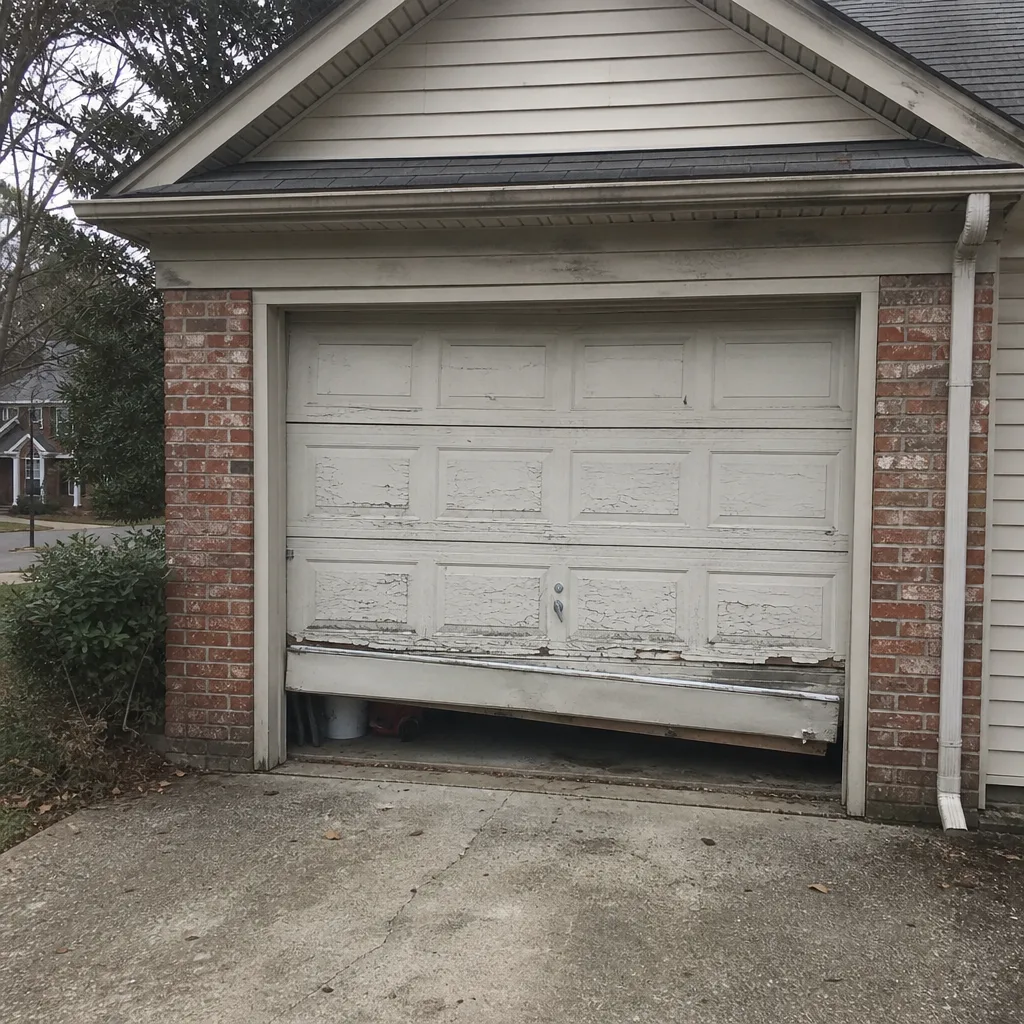 Before
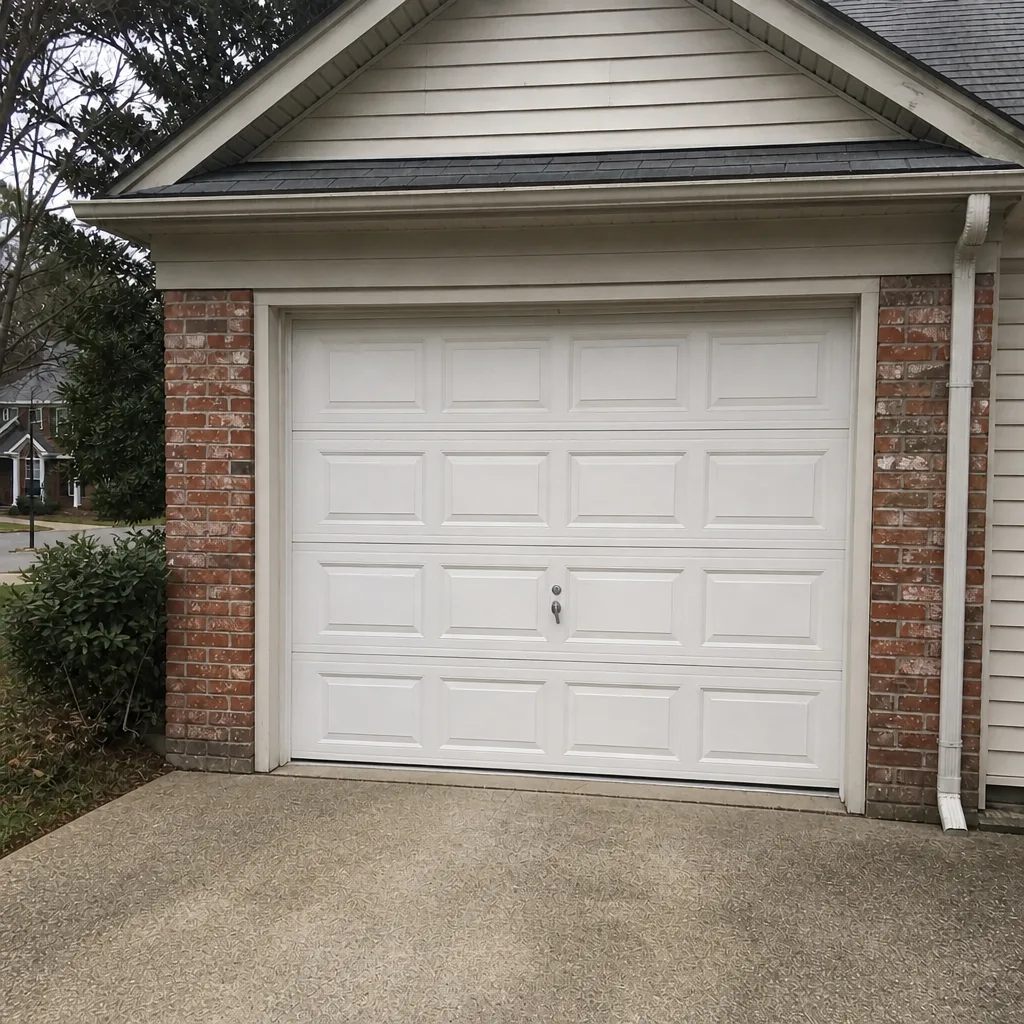 After
When to Call a Professional
Some garage door issues are genuinely dangerous, and some are just annoying. Here’s where the line sits. If you hear a loud snap and the door won’t open, you’re dealing with a broken spring – that’s a trained-technician repair, full stop. If the door rises and falls unevenly, drags, or reverses without warning, the balance or safety system needs attention, and that’s a job for someone with the right tools. If the opener hums but doesn’t move the door, or the remote works intermittently, the drive or logic board may be failing. And if you’re planning a full replacement, a professional measure and written quote will tell you more than any online calculator. Stallion Garage Door Service offers free estimates in Richmond – call (844) 834-1312. We answer 24/7, with fast dispatch from 7am to 7pm, Sunday through Friday.
Frequently Asked Questions
A typical single-car steel door replacement runs $800 to $1,800 installed, and a double-car insulated door with an opener commonly lands between $1,800 and $3,500. The written estimate sets the final price. Call (844) 834-1312 for an exact quote – estimates are free.
Spring replacement is usually $180 to $340 per spring, and a matched pair costs about twice a single spring. The configuration determines the number. Call (844) 834-1312 for an exact quote – estimates are free.
No. The written estimate is quoted and agreed before any work starts, and that estimate sets the final price. If the scope changes, you’ll know before the technician continues. Call (844) 834-1312 for a free estimate.
No – door replacement is measured, ordered, and scheduled, not a same-day drop-in. Repair and opener work can sometimes be handled faster, but a full system replacement is a planned job. Call (844) 834-1312 to schedule a free measure and written price.
Yes. We’re licensed and insured, and our technicians have up to 13 years of experience. We work on LiftMaster, Chamberlain, Genie, Clopay, Amarr, Wayne Dalton, Craftsman, and Raynor systems, so a familiar brand won’t stop the job. Call (844) 834-1312 with your model and we’ll get started.
Richmond’s humid summers and freezing winters push the steel in your springs through more stress cycles than a milder climate would. That shortens spring life, so replacements tend to come around more often here. Call (844) 834-1312 if you’re hearing odd sounds from the garage – a free estimate will tell you whether it’s a spring or something else.
The Bottom Line
A garage door cost isn’t one number – it’s a range shaped by material tier, spring configuration, opener class, and the labor realities of the Richmond market. The entry tier starts around $800 for a basic single-car door, and a fully loaded double-car system with a smart opener can reach $3,500. Springs are $180 to $340 per spring, with matched pairs about twice that. The crossover from repair to replacement sits where the repair estimate gets close to a new door’s price. Every legitimate quote shows its line items, and every honest contractor quotes and agrees the price before work starts. That’s the standard to hold.
At Stallion Garage Door Service, we specialize in garage doors and openers – not general contracting – and we service eight of the most widely installed brands. When you’re ready to talk numbers, call us at (844) 834-1312 for a free estimate. We answer 24/7, with fast dispatch from 7am to 7pm, Sunday through Friday.
Written by the team at Stallion Garage Door Service.