
Last updated November 15, 2026
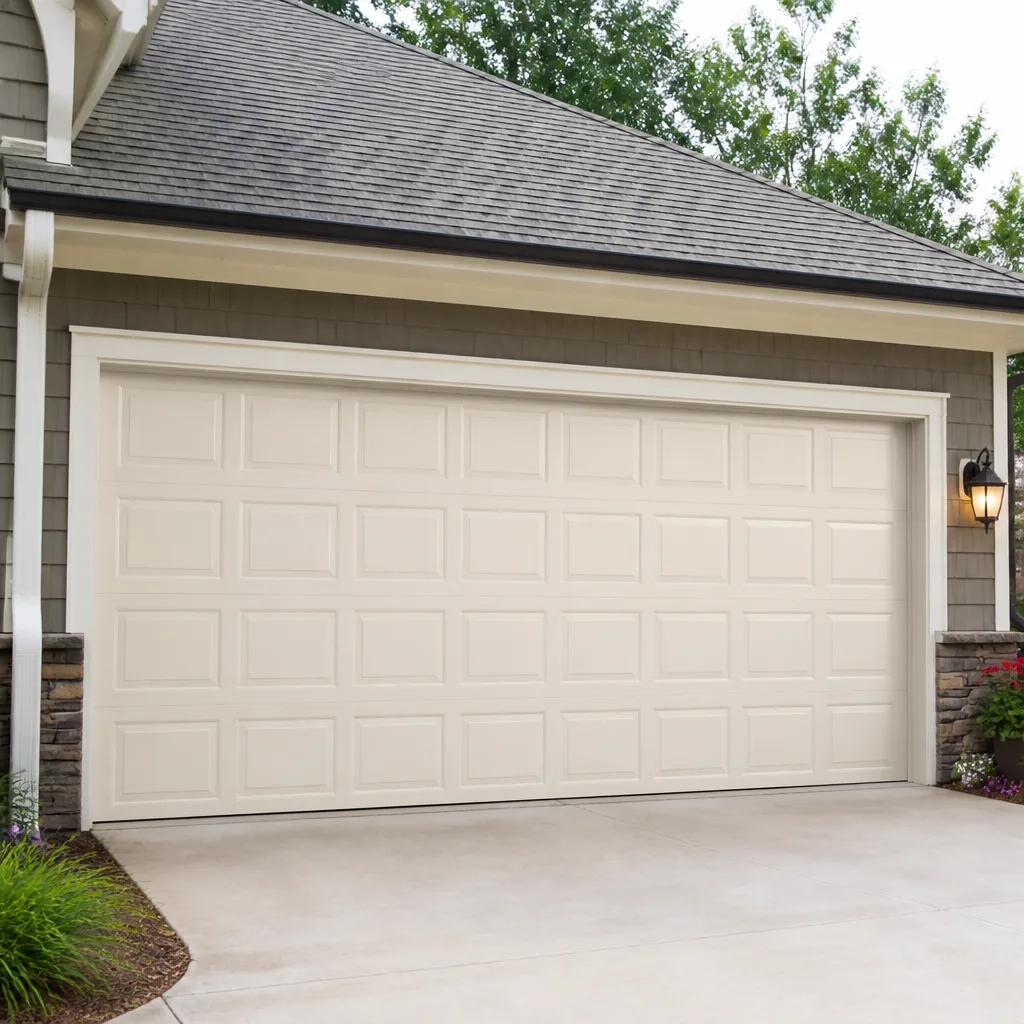 Raised-panel steel
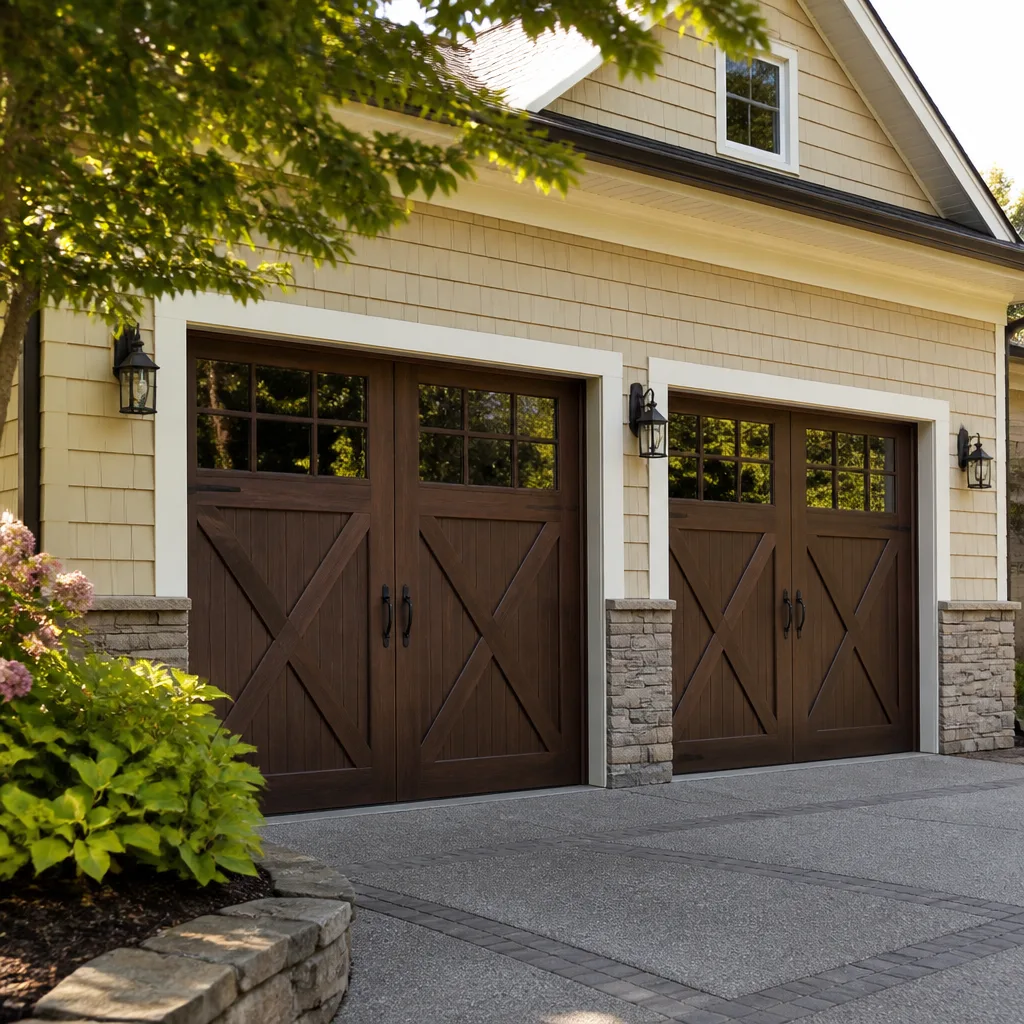 Carriage house
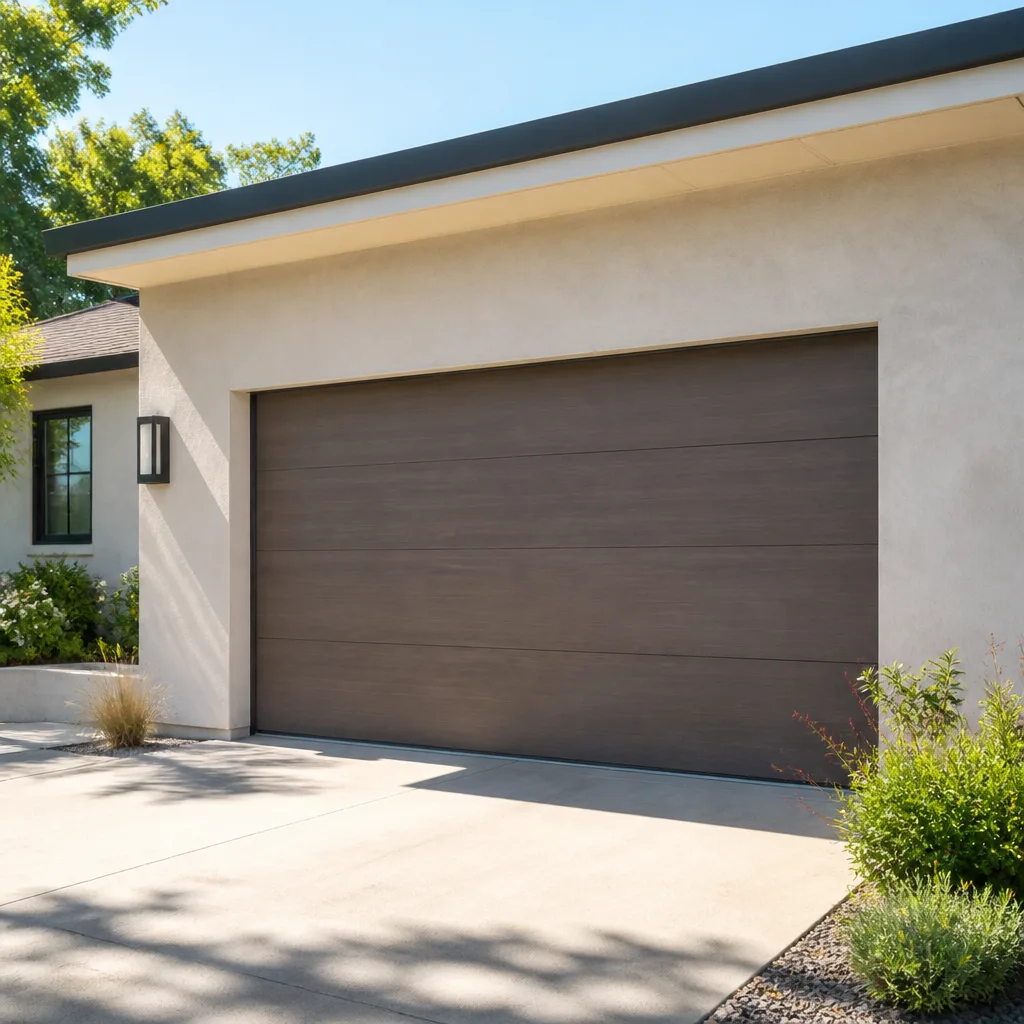 Modern flush
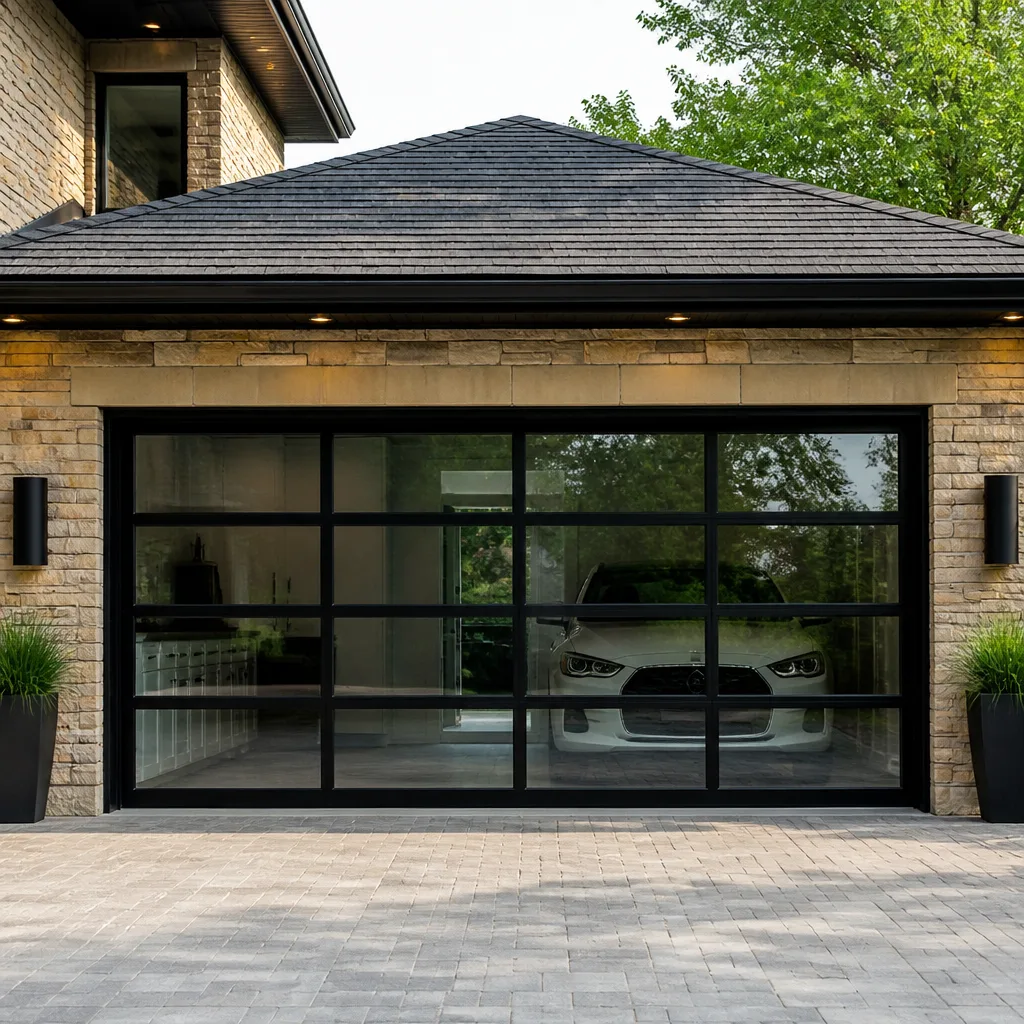 Full-view glass
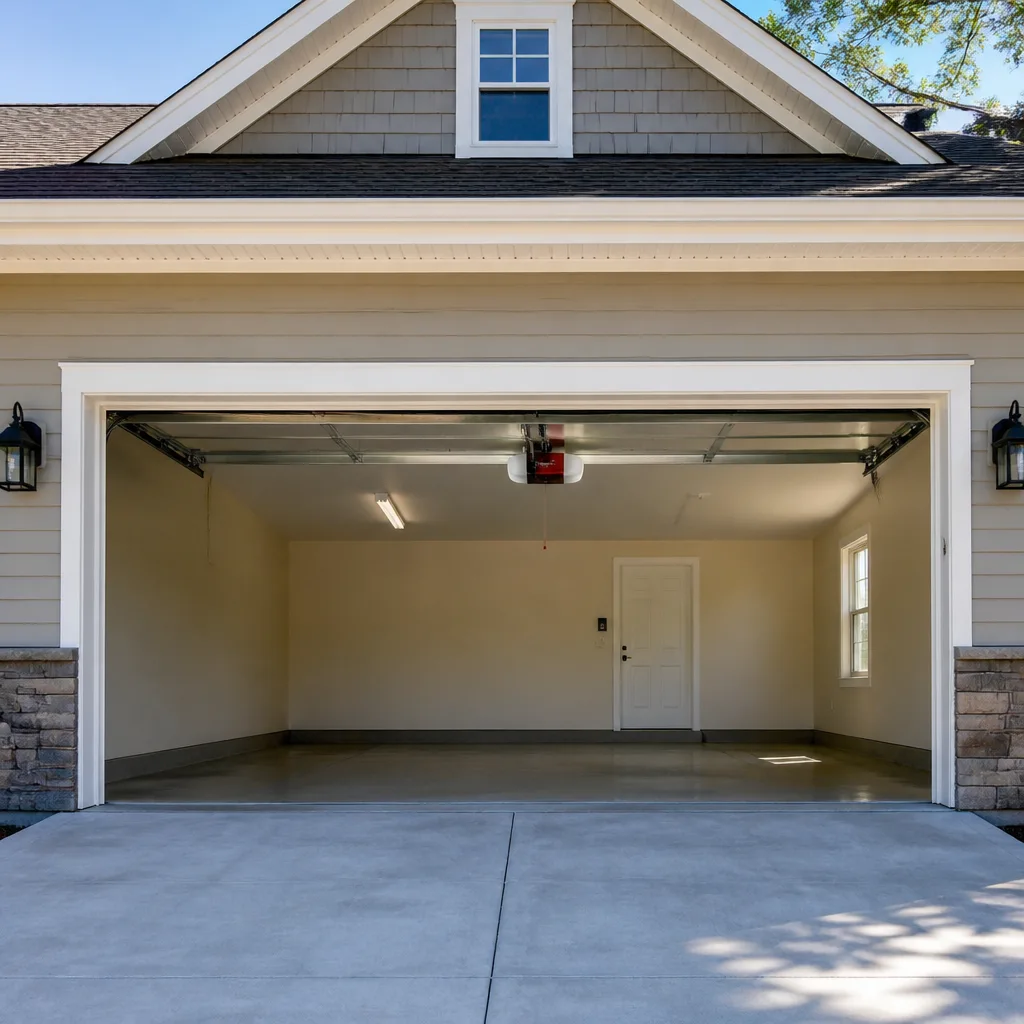 LiftMaster openers
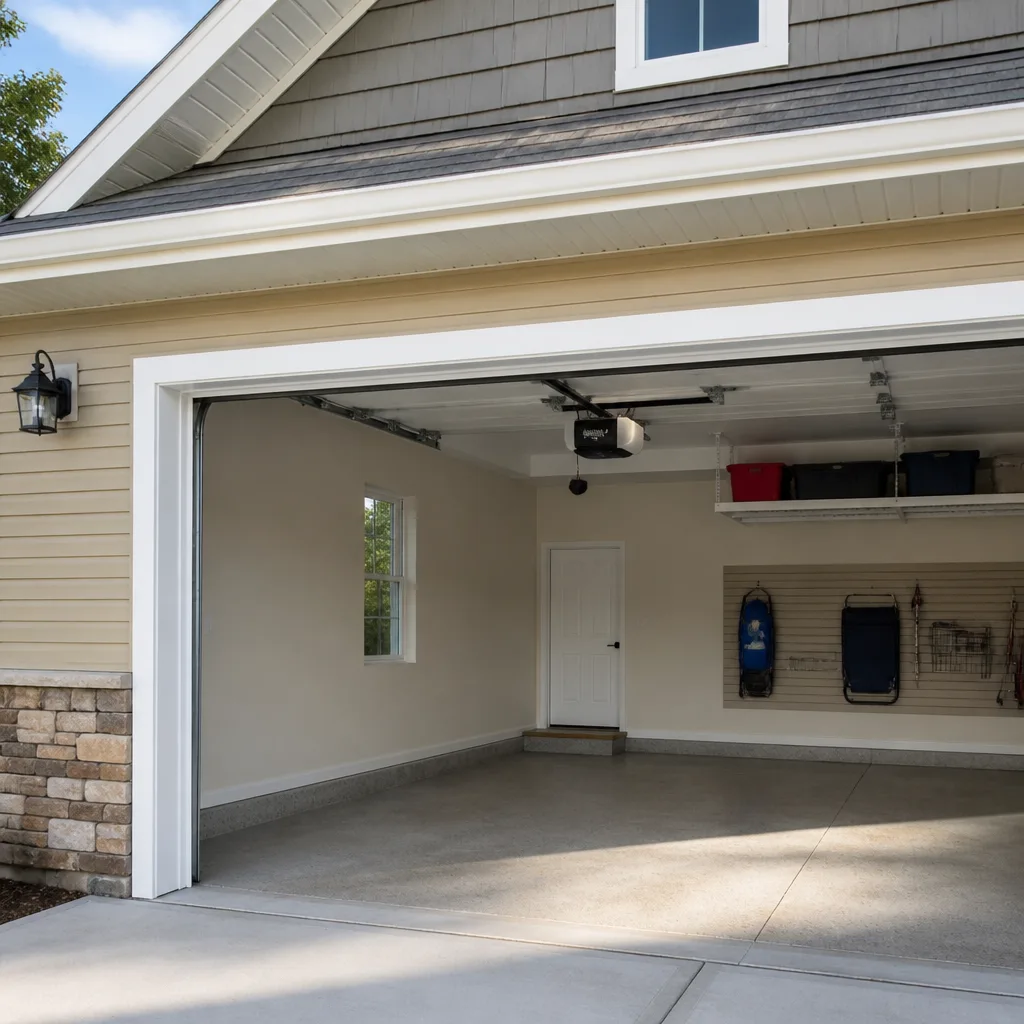 Chamberlain openers
Full 25-point door and opener safety check with every visit - springs, cables, rollers, tracks, and your LiftMaster or Chamberlain opener included
You get a price before we start. It does not change when the pro arrives.
Get your free estimateDIY vs Professional Garage Door: The Richmond Homeowner’s Decision Guide
Most homeowners assume the DIY-versus-professional question is about skill level. It isn’t. It’s about which specific tasks carry mechanical risk that’s easy to underestimate, and which ones are genuinely straightforward once you have the right information. Spring and cable work store enough energy to injure you badly; sensor alignment and lubrication don’t. This guide draws that line task by task, explains the mechanical reason behind each one, and shows how Richmond’s older housing stock changes the math. By the end you’ll know exactly where your repair sits before you touch a single bolt.
Quick Answer
Lubrication, safety-sensor alignment, track wiping, and opener limit or force adjustments are reasonable DIY tasks for a careful homeowner. Spring replacement, cable replacement, bottom-bracket work, and structural panel or track repairs are not: those involve stored mechanical energy or load-bearing components and belong with a trained technician. Everything else falls in between and depends on what you find once the door is inspected.
Styles & brands we work with
- Raised-panel steel
- Carriage house
- Modern flush
- Full-view glass
- LiftMaster openers
- Chamberlain openers
Table of Contents
- The Task-by-Task Breakdown
- Tools That Mean DIY vs Tools That Mean Stop
- How Richmond’s Housing Stock Complicates DIY
- The Real Cost Comparison: Parts vs Parts Plus Labor
- How to Check Whether a Repair Is in DIY Scope Before You Start
- Openers Are a Different Conversation
- Common Mistakes to Avoid
- When to Call a Professional
The Task-by-Task Breakdown
The clearest way to decide is to sort the job by what it actually puts under tension. Garage door systems have two categories of components: passive parts that guide or seal the door, and active parts that hold and release force. Passive parts are safe to work on. Active parts are not.
Reasonable DIY tasks:
- Lubrication. Rollers, hinges, and the torsion bar bearings take a light garage-door lubricant a couple times a year. No stored energy is released by greasing a hinge.
- Safety-sensor alignment. The two small photo-eye sensors near the floor need to face each other. Straightening a bracket or clearing a cobweb is a five-minute job.
- Track cleaning and light straightening of a bent vertical track section. Cosmetic wipes and small adjustments to the non-weight-bearing portion of the track are fine.
- Opener limit and force adjustment. On most modern openers, including LiftMaster and Chamberlain units, the travel limits are dials or screw adjustments described in the manual. This is electronics-free mechanical tuning.
- Replacing a remote battery or re-pairing a remote. Straightforward on Genie and Craftsman systems.
- Weather seal replacement at the bottom of the door. A rubber or vinyl bottom seal slides out of its retainer and a new one slides in. No tension involved.
Not DIY tasks:
- Torsion springs. A wound torsion spring holds hundreds of pounds of stored rotational force. The mechanical reason is simple: the spring is under load even when the door is down, and releasing that load incorrectly through the wrong winding bar or an unpinned bar can spin the tool out of your hand. This is why spring work causes a large share of serious home-repair injuries and why we treat it as strictly professional territory.
- Extension springs. Same principle, different geometry. Extension springs stretch along the horizontal track and store linear force. When one fails it can leave the track at speed.
- Cables. Cables carry the door’s full weight on each side. Replacing one requires relieving spring tension first and then re-tensioning correctly. A cable that lets go under load is dangerous and can drop the door.
- Bottom brackets and the cable drum assembly. These are the anchor points for the cable. They are load-bearing and should not be loosened by anyone without training.
- Panel structure and section replacement. A damaged or misaligned section can bind the whole door and stress the springs. Getting the panel weight and alignment right matters.
- Track replacement after a bend. A bent track has usually stressed the rollers or the cables that ride on it. The visible track is often the symptom, not the whole problem.
When you can’t tell which category your repair belongs to, the safe answer is to stop and get an inspection. Our garage door repair service starts with diagnosis for exactly this reason: the visible failure and the actual failure are often two different components.
Tools That Mean DIY vs Tools That Mean Stop
The tool list is the fastest reality check. If the job requires anything on the second list, you’ve crossed into professional territory.
Tools for legitimate DIY tasks:
- Adjustable wrench and a socket set for hinge bolts and track brackets.
- Garage-door lubricant (not WD-40, which collects dust – a proper lithium or silicone garage-door spray).
- Screwdriver set for opener cover screws and sensor brackets.
- A step ladder rated for your weight.
- A level for checking door alignment against the frame.
- Pliers for pulling a bottom seal.
Tools that signal stop:
- Winding bars. These are the specific tools used to wind and unwind torsion springs. Owning a pair does not qualify you to use them safely; the injury risk is in how they release, not whether you have them.
- Cable pullers or cable clamps rated for the door’s weight. Cable work requires controlled release of tension with the door secured.
- C-clamps used as door locks for cable and spring work. We use these to lock the door in the up position before touching any tension component. They belong in a technician’s kit, not a homeowner’s first attempt.
- A second person. Having a helper does not make spring work safe. It just adds a second person to the risk.
If the YouTube tutorial you’re watching pulls out winding bars in the first 30 seconds, close the tab. That’s a sign you are looking at a job that requires a trained technician, not an instructional video.
How Richmond’s Housing Stock Complicates DIY
Richmond is a city of distinct housing eras, and each one has its own garage door quirks. That matters for DIY because older homes carry non-standard parts, mixed-brand hardware, and discontinued components that are hard to source and even harder to size correctly on your own.
In neighborhoods like the Fan District and Church Hill, most of the original carriage houses and detached garages predate the standard 7-foot door opening that most modern door systems are built for. A rough opening that was built by hand in an older home may measure an inch or two off the modern standard, which affects how a new door or a new section fits. In the Museum District and Carytown, homes often have additions with a mix of hardware spanning decades. A single garage door might have a Wayne Dalton opener driving a Clopay or Amarr door with generic tracks and rollers that came from a home improvement store.
In the suburbs – Glen Allen, Short Pump, Midlothian, Henrico – homes are more consistent, often with the original builder-installed opener still in place. That usually means brand-specific parts, which is easier to source but harder to substitute. Richmond’s humid summers and occasional winter freeze cycles also work on the seals, cables, and springs over time, which is why garage door service here stays busy year-round.
What this means for a DIY decision: if your Richmond home’s rough opening doesn’t match the door’s stated measurement, or if the opener is a brand you can’t identify, don’t assume the job is the same as the model in a tutorial. Call for an inspection, and we’ll confirm the system and the repair before you buy a single part.
The Real Cost Comparison: Parts vs Parts Plus Labor
The cost math most homeowners run misses the rescue scenario: a DIY attempt that goes wrong and requires a professional visit plus the parts you already bought that can’t be reused. Here’s a rough comparison in Richmond for the most common jobs. These are typical estimates, and the written estimate from a technician sets the final price.
| Job | Typical DIY parts cost | Typical professional range |
|---|---|---|
| Bottom weather seal replacement | $15-$40 | $90-$180 (installed) |
| Safety sensor realignment | $0-$30 for a new bracket | $80-$150 |
| Roller replacement (all rollers) | $25-$60 | $140-$280 |
| Single torsion spring replacement | $40-$90 | $180-$340 per spring |
| Matched spring pair replacement | $80-$180 | Approximately twice the single-spring range |
| Cable replacement (one side) | $15-$40 | $150-$300 |
| Opener logic board or gear replacement | $60-$150 | $220-$450 |
The chart undersells one thing: a failed DIY attempt on a spring or cable can cost more than the original job. If the door comes off the track or the spring unwinds incorrectly, you may be looking at track straightening, roller replacement, and the original spring on top of a professional rescue. The cheapest way through a spring or cable repair in Richmond is to have it done once.
For passive jobs like the bottom seal or a sensor bracket, DIY genuinely saves money and time. For anything that holds tension, the parts cost is deceptive because the risk is in the labor, not the part.
How to Check Whether a Repair Is in DIY Scope Before You Start
Before you touch anything, walk through these checks in order. Stop at the first one that comes back wrong.
- Can you identify the failure with the door closed? If you don’t know what’s actually broken, you can’t sort it into DIY or not. Watch the door through one open-close cycle from a safe distance and listen for the location of the noise.
- Is the failure at the spring, cable, bracket, or track? Those four are not DIY. If the failure is at the seal, sensor, hinge bolt, roller, or opener limits, it likely is.
- Can you find the part number on the existing component? A spring or roller with a stamped number is easier to match. If there’s no number, or the part number comes back discontinued, that’s a sign the job needs professional sourcing.
- Does the door close and open fully with the opener disengaged and the door manually lifted? Try lifting the door by hand with the opener disconnected after the spring has been checked visually. If the door feels heavy or binds in either direction, there’s a tension problem you can’t safely diagnose on your own.
- Is the opener a brand you can identify? Genie and LiftMaster are common in Richmond. If you see a label you can’t read, that’s usually a sign the unit is older or has been re-badged.
- Do you have a safe way to secure the door before working on it? If not, stop. Even a passive job like roller replacement requires the door to be locked open.
If your checks come back fine, proceed with the DIY repair. If they don’t, call for an inspection. We’ll tell you what’s wrong and whether it’s a fix you can handle or one we should take on.
Openers Are a Different Conversation
Openers are usually kinder to DIY than springs and cables. The drive system – whether belt, chain, or screw – is separate from the door’s stored energy, and most troubleshooting sits in electronics and adjustment rather than mechanical release.
Often in DIY scope:
- Re-pairing remotes and keypads.
- Replacing the battery in a wall console or remote.
- Adjusting the travel limits and force dials per the manual.
- Replacing a safety sensor (mounted on the track bracket) if the bracket is intact.
- Clearing obstruction on the rail or in the drive housing.
Better handled professionally:
- Logic board replacement – miswiring can damage the new board.
- Gear and sprocket replacement on chain drives, which requires disassembly.
- Replacing the safety reverse mechanism or the tensioning spring inside the opener rail.
- Replacing the entire unit – the door must be balanced and the new opener head bracketed to a sound mounting point, not a sagging ceiling joist.
For openers across the brands you’re most likely to own, garage door opener repair covers the diagnosis, part sourcing, and safe replacement in one visit. We service LiftMaster, Chamberlain, Genie, Craftsman, and the older units that are still common in Richmond homes.
Common Mistakes to Avoid
- Winding a torsion spring with a substitute tool. Screwdrivers and pry bars are the wrong shape and slip. Even homeowners who buy proper winding bars often skip locking the door first, which is the bigger error.
- Running the opener with a broken spring. The opener is not designed to lift the door’s full weight. Continuing to cycle a door with a broken spring usually burns out the opener’s gear or motor and doubles the repair cost.
- Substituting a spring with a “close enough” size. Richmond homes often have non-standard door heights, so spring sizing runs by wire gauge, inside diameter, and length. An off-spec spring fails early and can damage the cables.
- Assuming a bent track is the problem. A bent track is usually the symptom of a cable or roller failure. Replacing the track without addressing the cause is a repeat failure.
- Ignoring a mixed-brand garage. Many Richmond homes run a Wayne Dalton opener on a Clopay or Amarr door with generic tracks. Treating one part of the system as “the brand” misses the other three.
- Skipping the door lock during DIY roller replacement. Even passive-part work requires the door to be secured open. A door that slips down during the job is a pinch and impact hazard.
- Trusting a tutorial without checking the door’s sex and weight. Springs are matched to the door’s weight, not to the model year. A tutorial for a lighter door can guide you into the wrong spring for a heavier Richmond door.
When to Call a Professional
Call a professional when the repair touches a spring, a cable, a bottom bracket, or a structural panel or track. Call when you can’t identify the failing component with the door closed, or when the door feels heavy or binds when you lift it by hand. Call if you’ve had a DIY attempt go wrong and the door won’t cycle cleanly afterward – the earlier we look, the smaller the rescue usually is. And call if the door is on a mixed-brand or older installation in a Richmond home whose rough opening doesn’t match the standard, because the parts may need sourcing before the visit.
Stallion Garage Door Service offers free estimates in Richmond – call (844) 834-1312. We work on the brand you already own across LiftMaster, Chamberlain, Genie, Clopay, Amarr, Wayne Dalton, Craftsman, and Raynor systems. Our technicians have up to 13 years of experience on doors and openers. We answer 24/7. Fast dispatch from 7am to 7pm, Sunday through Friday.
See the difference
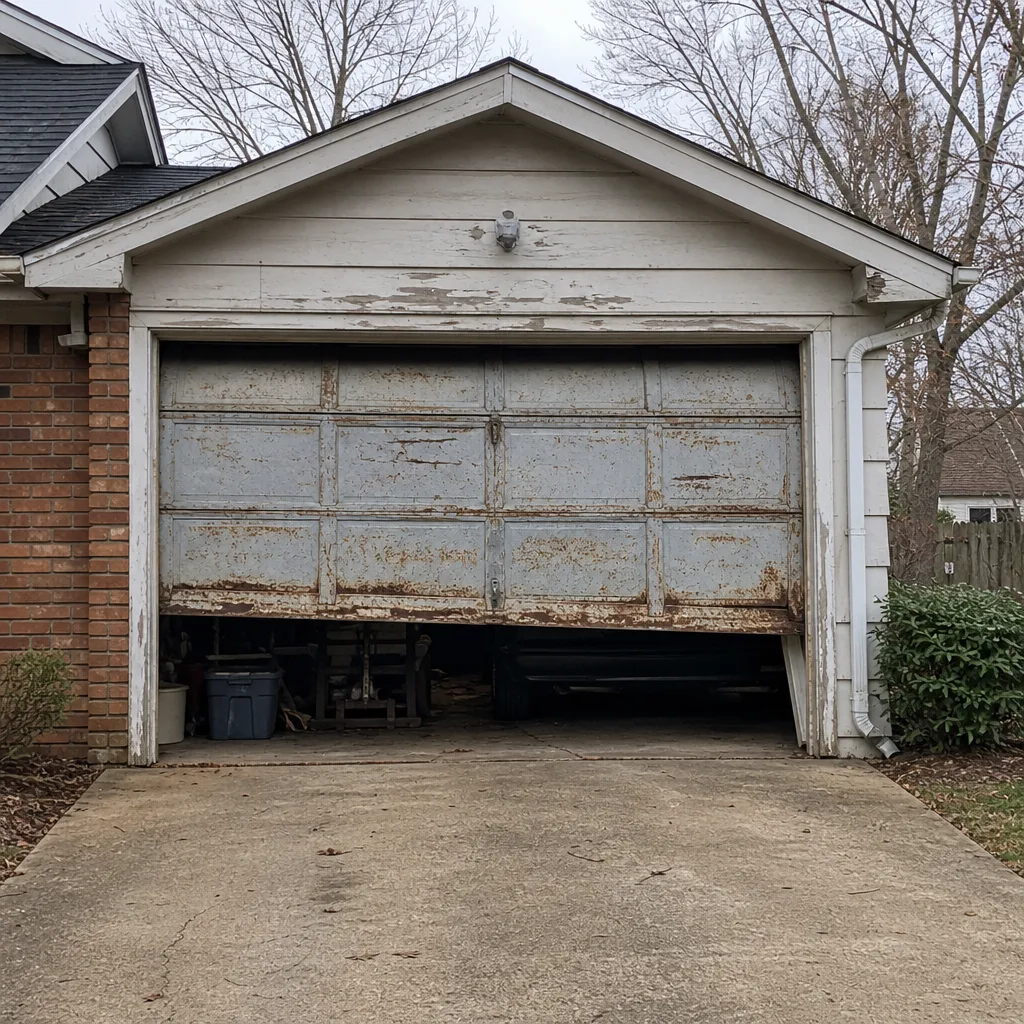 Before
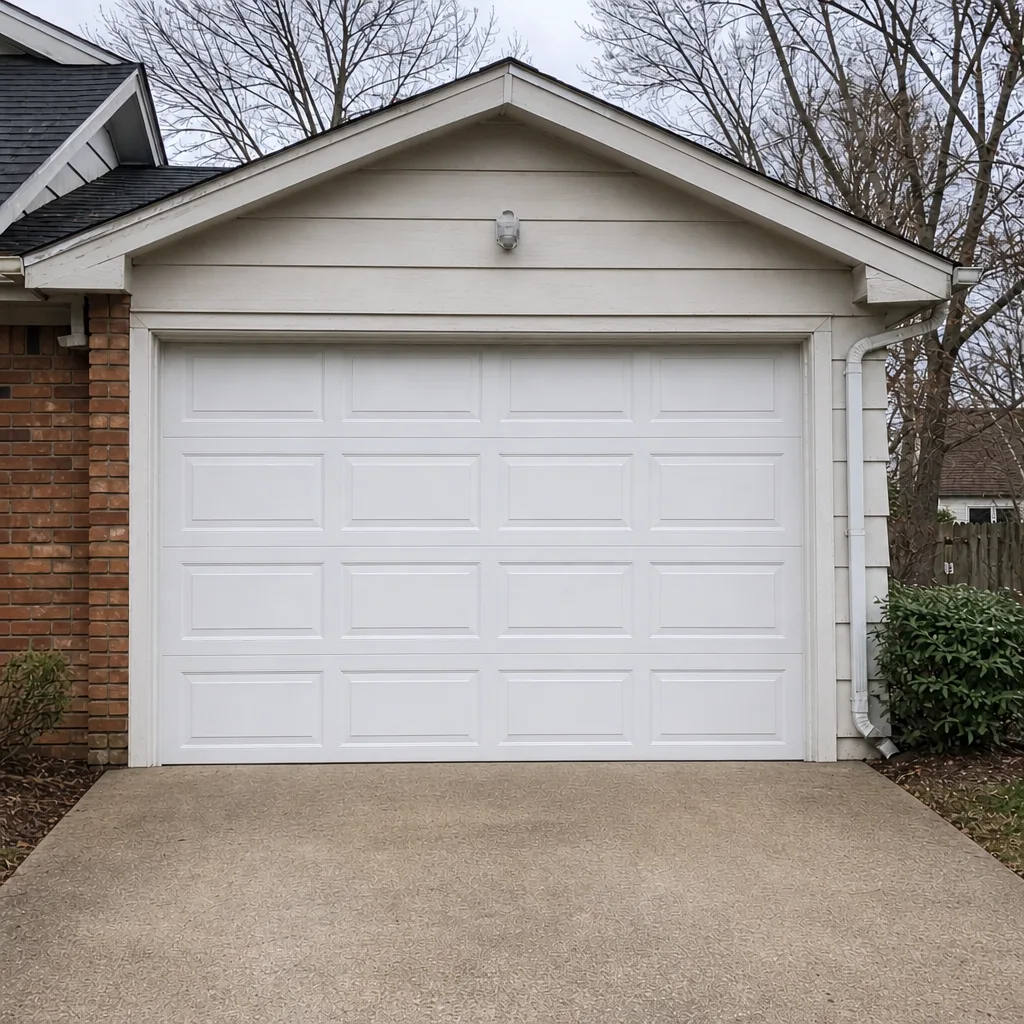 After
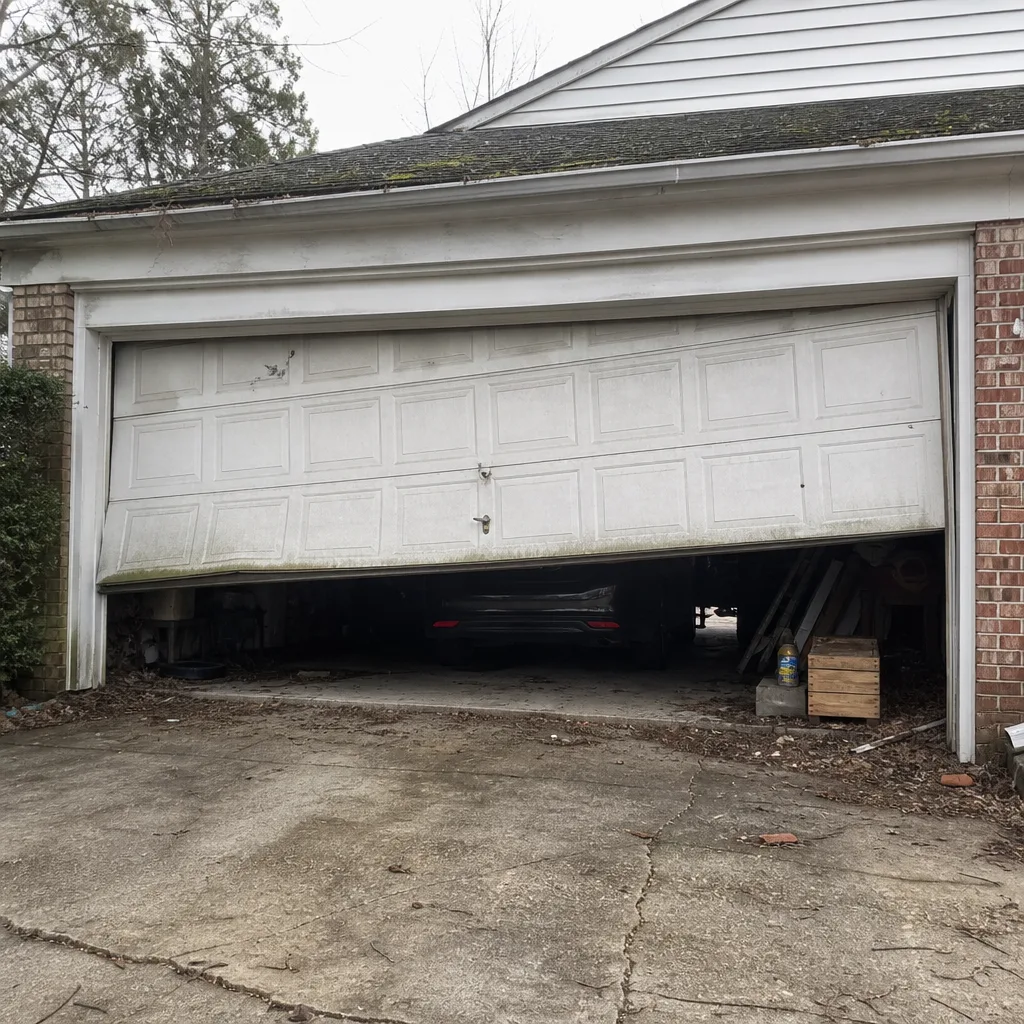 Before
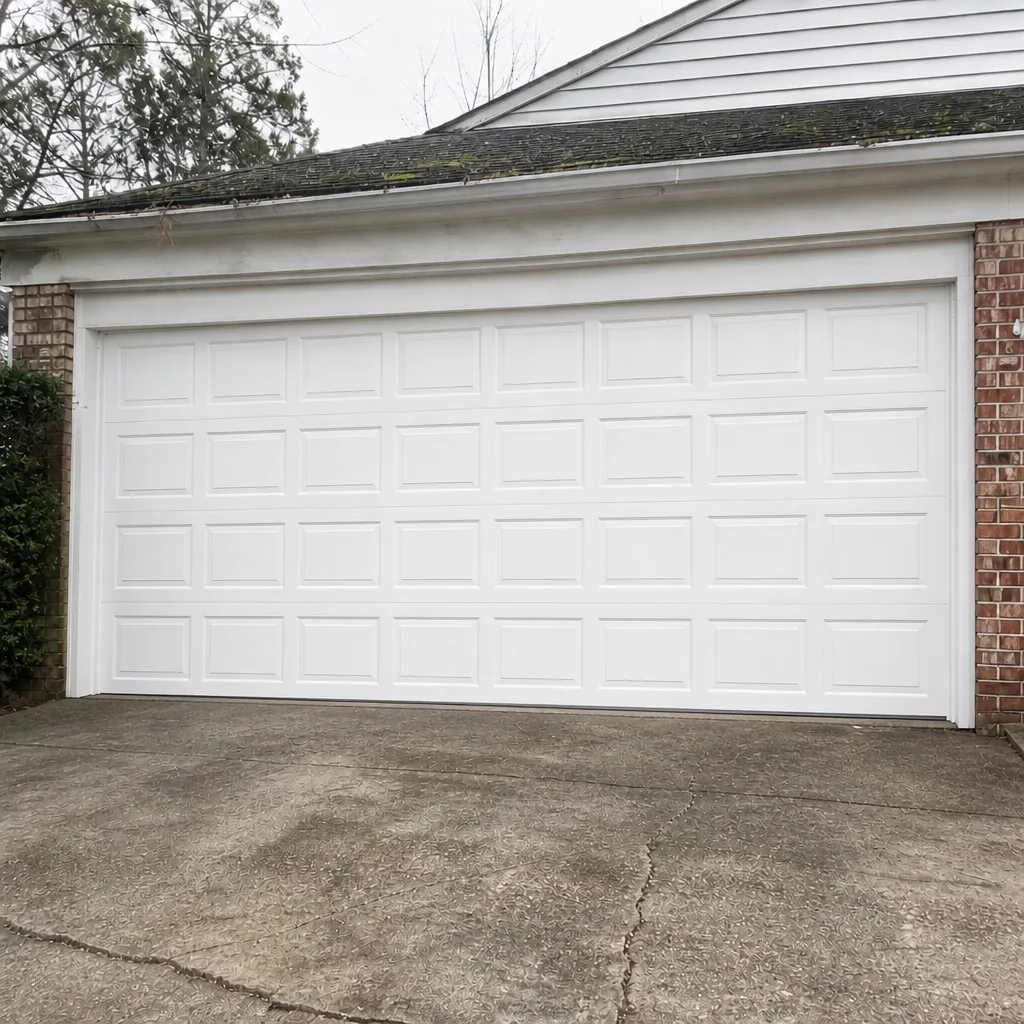 After
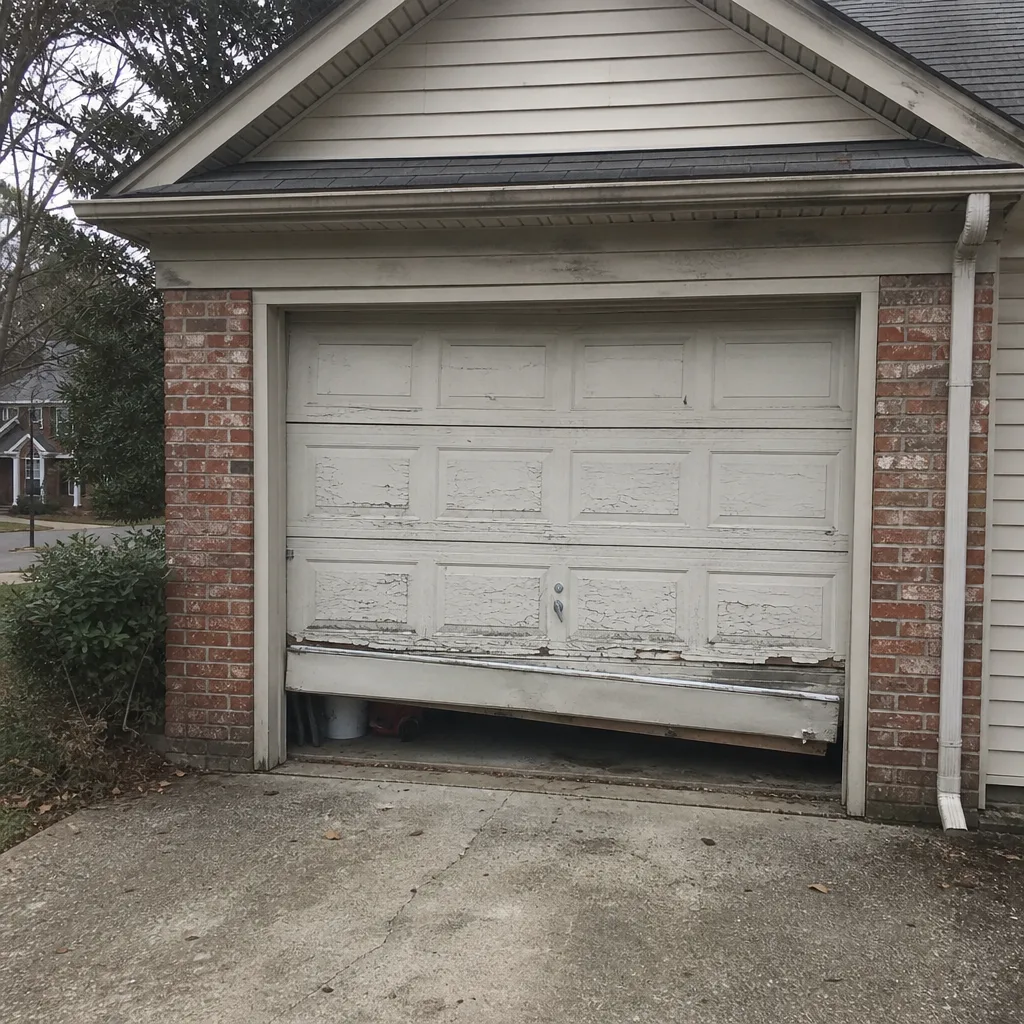 Before
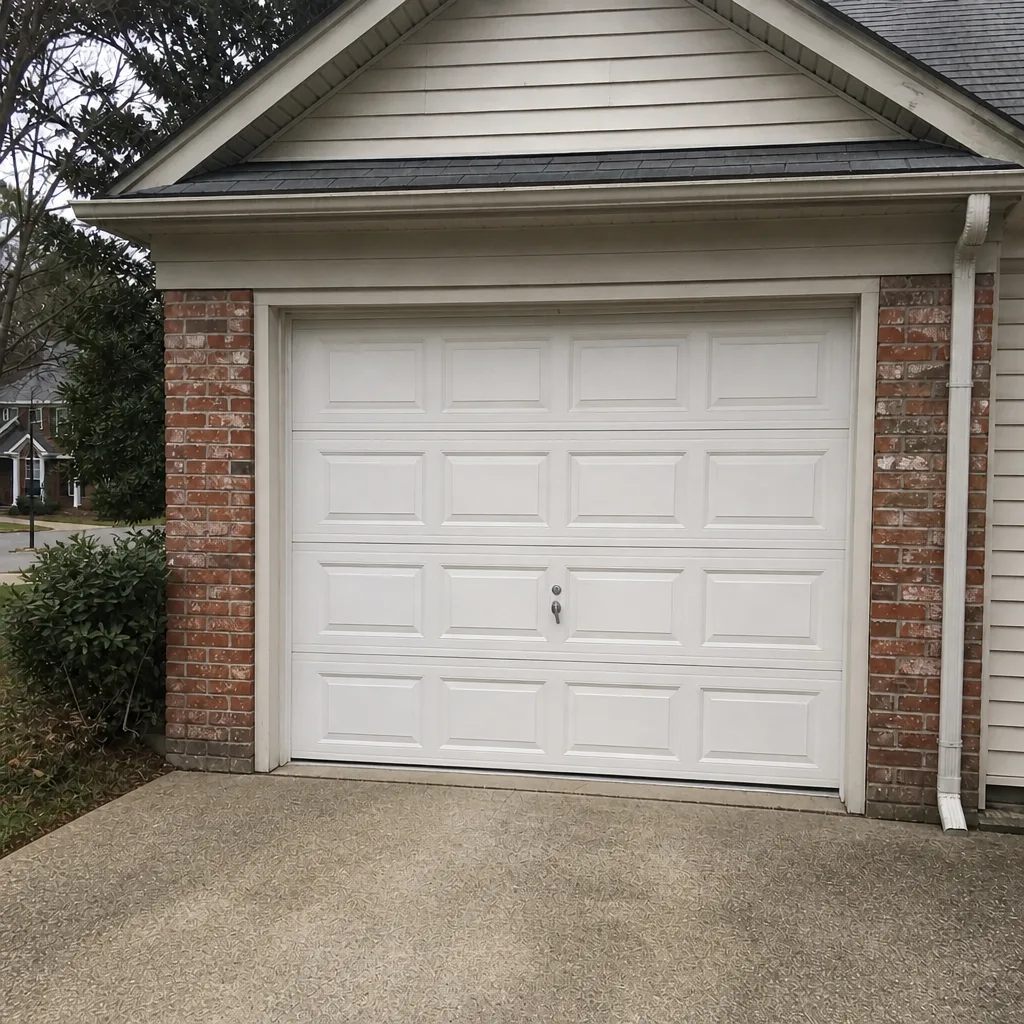 After
Frequently Asked Questions
No. Torsion and extension springs hold enough stored energy that releasing tension with the wrong tool can cause serious injury. The correct answer is to have the spring replaced by a trained technician; a single torsion spring is typically $180-$340, and a matched pair is roughly twice that. Call (844) 834-1312 for an exact quote – estimates are free.
Lubrication, safety-sensor alignment, bottom seal replacement, roller and hinge replacement with the door locked open, and opener limit or force adjustments are reasonable DIY tasks. Anything that stores or releases tension is not. If you can’t sort your repair into one of those two groups, call for an inspection before you start.
The most common cause is a broken torsion spring. The opener cycles but has nothing to lift against because the spring is no longer carrying the door’s weight. Stop running the opener, and call (844) 834-1312 so we can confirm the failure before the motor burns out from cycling under load.
No. We quote the job in writing before any work starts, and that written estimate sets the final price. The inspection can reveal additional problems, and we’ll quote those separately before doing them, but the original job stays at the original price. Call (844) 834-1312 for a free estimate.
A failed spring or cable attempt often runs the original repair plus the cost of the additional damage. That can mean a spring replacement plus track straightening, roller replacement, or opener repair. In practice the rescue usually costs more than the job would have cost the first time, which is why we recommend professional work for tension components. Call (844) 834-1312 for an exact quote.
Yes. We work with state-licensed, insured and bonded technicians who specialize in garage doors and openers, not general handyman work. Every technician is trained specifically in door and opener mechanics. Call (844) 834-1312 with your model details and we’ll confirm coverage before the visit.
In most cases, yes. We answer 24/7, and fast dispatch runs from 7am to 7pm, Sunday through Friday. A call outside dispatch hours is booked into the next opening. Call (844) 834-1312 and we’ll give you the earliest available window.
The Bottom Line
The DIY-versus-professional question for a garage door comes down to stored energy. Springs, cables, and bottom brackets hold the door’s weight; a homeowner shouldn’t be the one releasing it. Lubrication, sensor alignment, seals, rollers, and opener adjustments are genuinely within reach and worth doing yourself. In a Richmond home, check the rough opening, the brand mix, and the part numbers before you buy a single piece. If the job is tension-related, or you can’t sort it into a category, call a specialist. The right fix costs less than the fastest patch.
Call (844) 834-1312 for a free estimate in Richmond. We work on the brand you own across LiftMaster, Chamberlain, Genie, Clopay, Amarr, Wayne Dalton, Craftsman, and Raynor systems. Our technicians have up to 13 years of experience, and the written estimate sets the price before any work begins. We answer 24/7. Fast dispatch from 7am to 7pm, Sunday through Friday.
For more on our full service range, visit Stallion Garage Door Service or explore the Richmond service area to see what we cover.
Written by the team at Stallion Garage Door Service.