
Last updated November 15, 2026
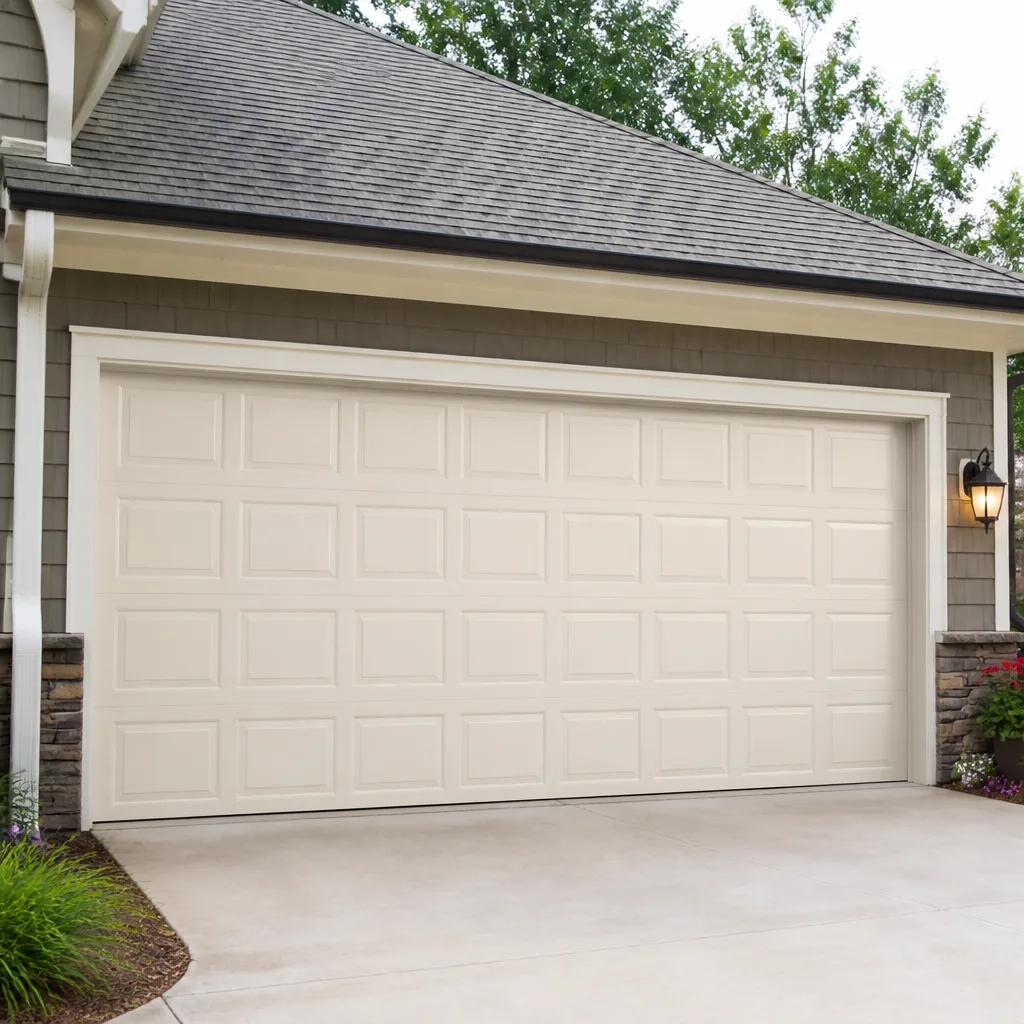 Raised-panel steel
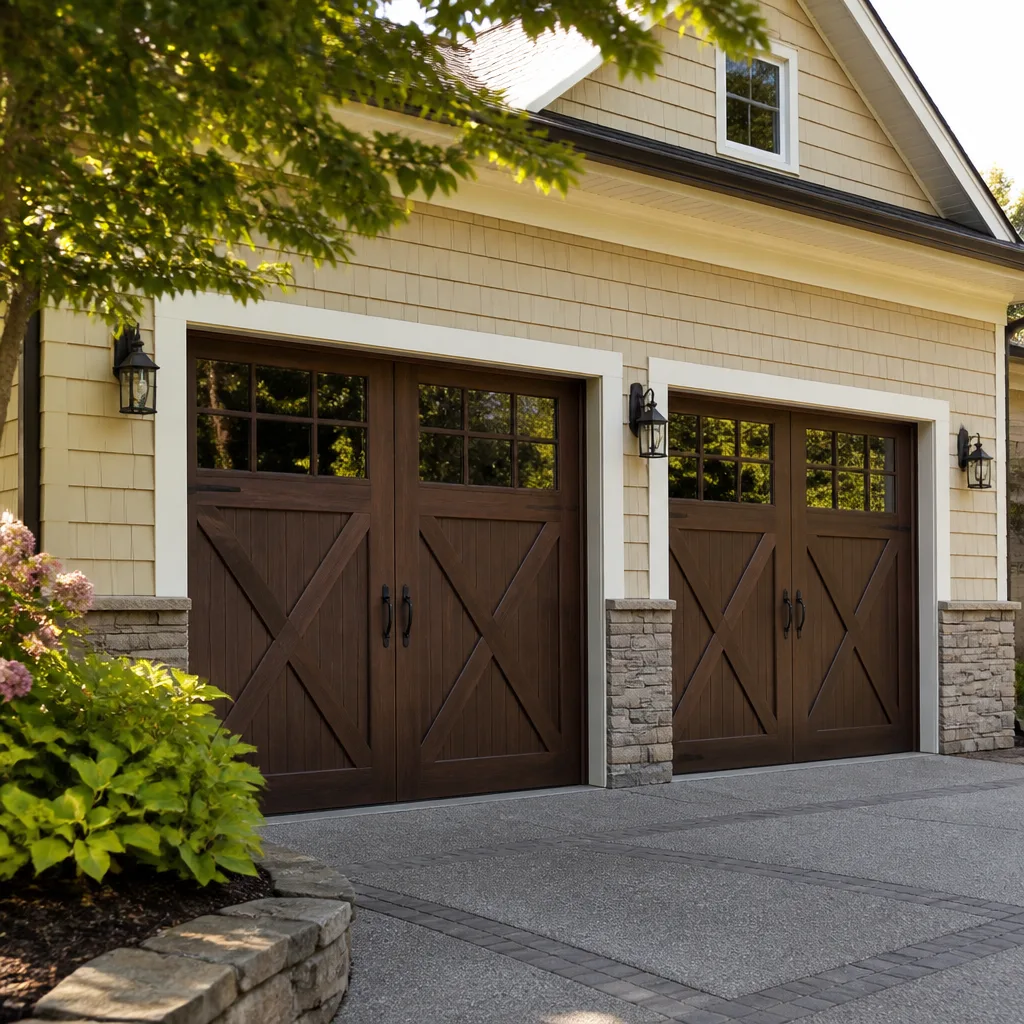 Carriage house
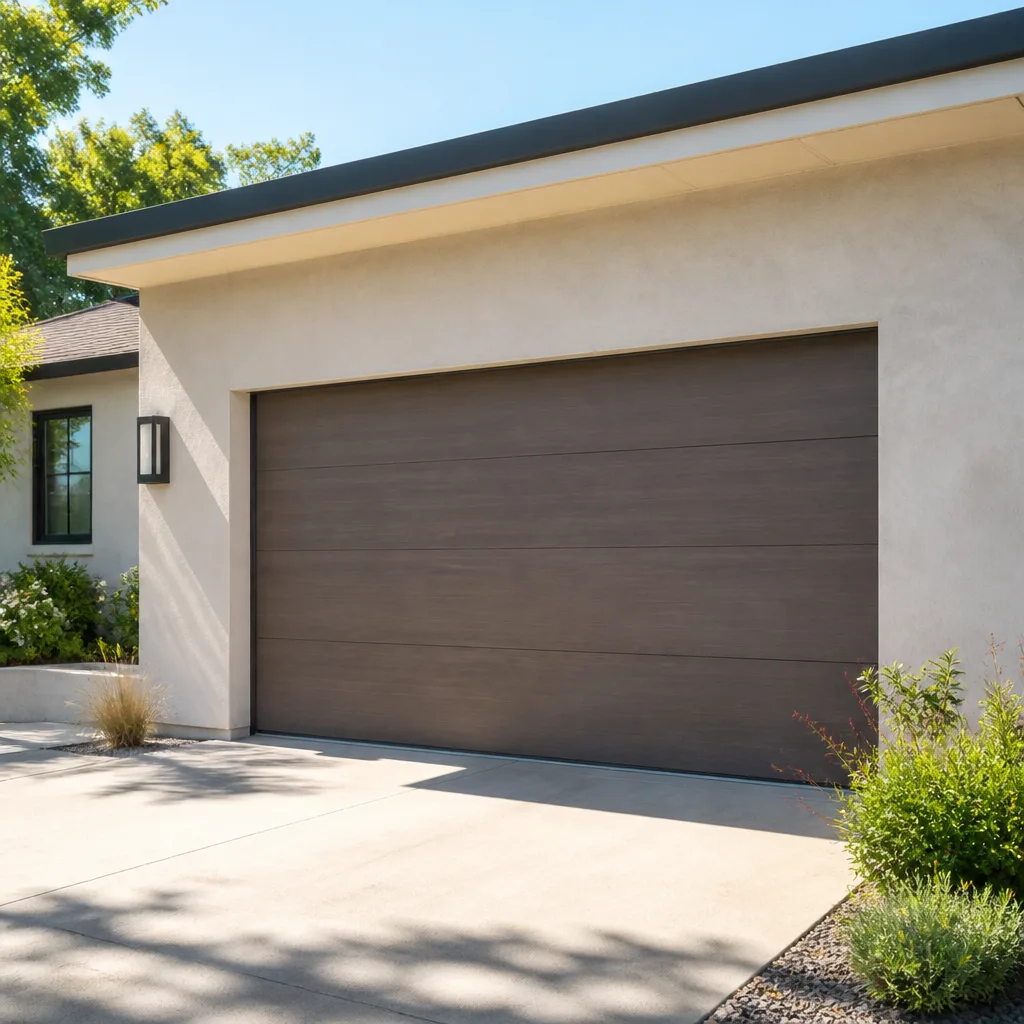 Modern flush
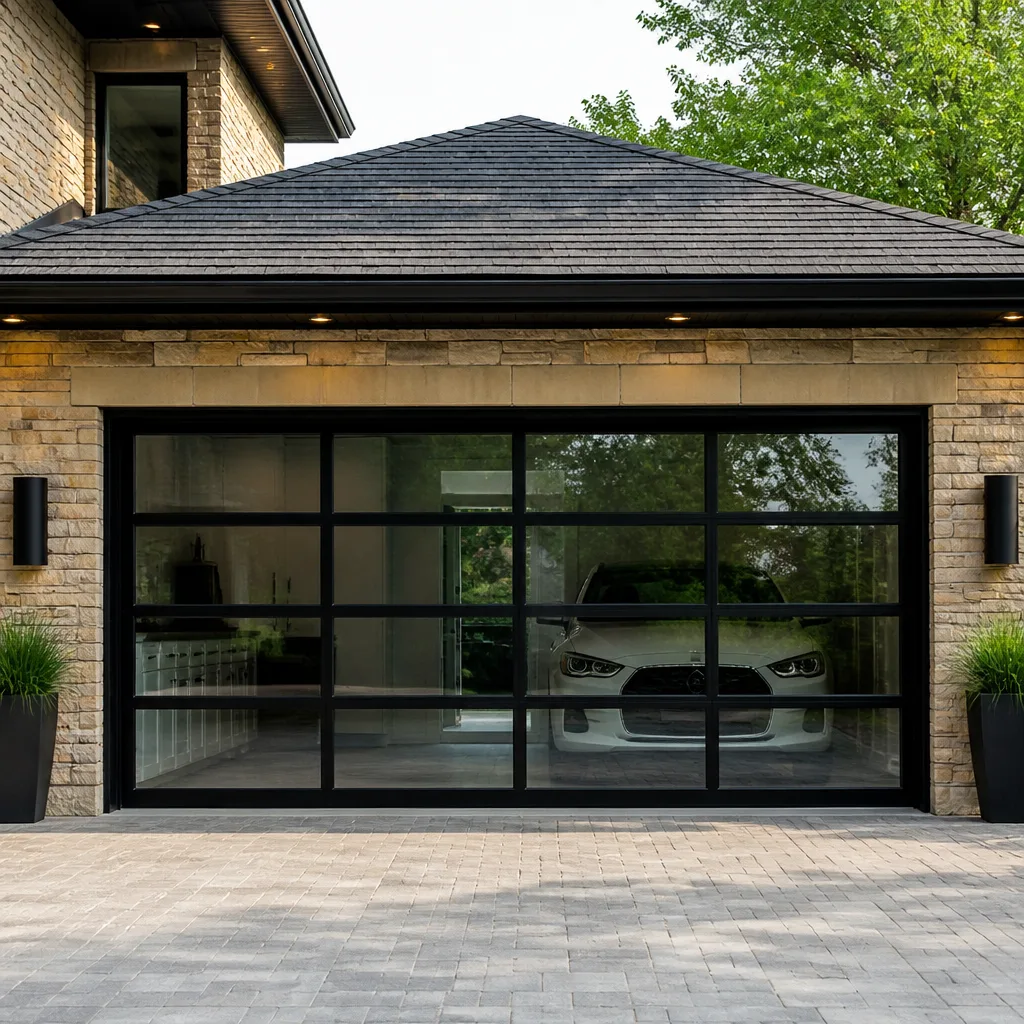 Full-view glass
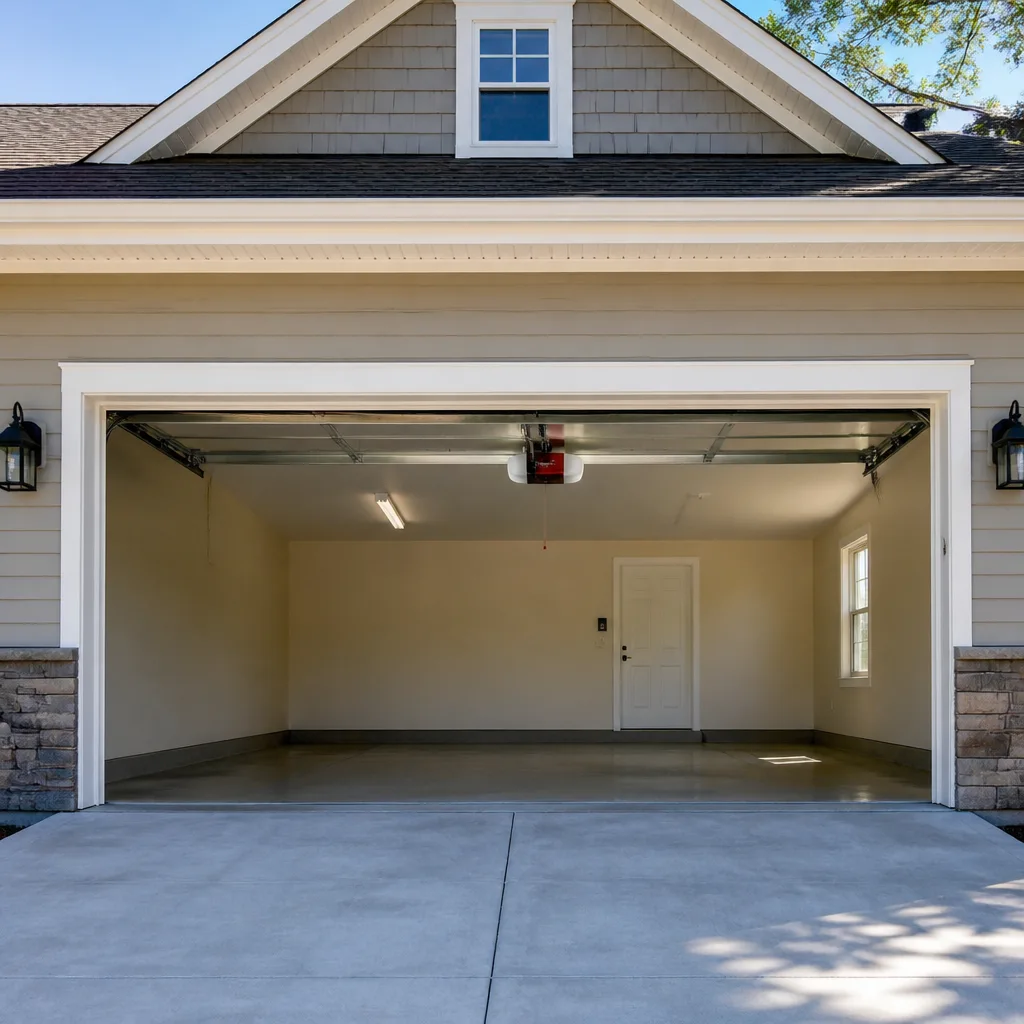 LiftMaster openers
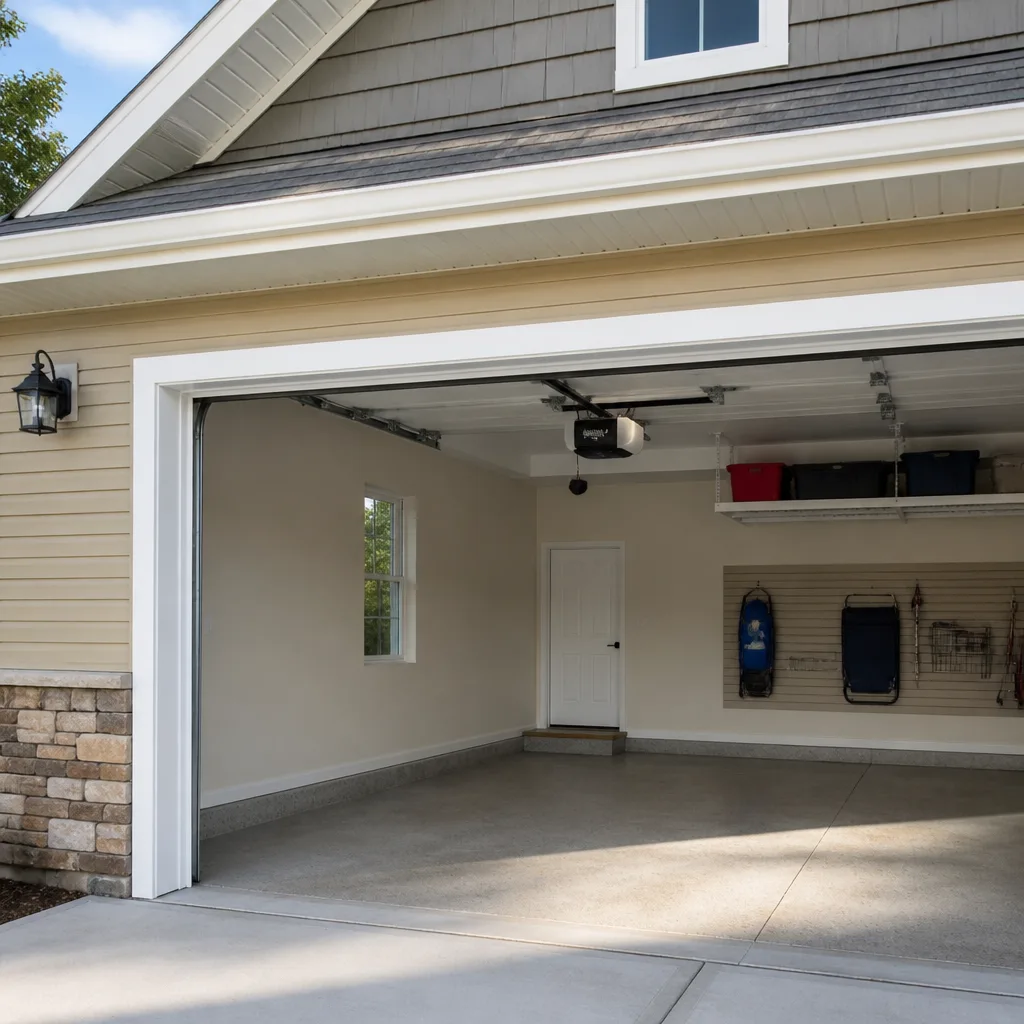 Chamberlain openers
Full 25-point door and opener safety check with every visit - springs, cables, rollers, tracks, and your LiftMaster or Chamberlain opener included
You get a price before we start. It does not change when the pro arrives.
Get your free estimateSeasonal Garage Door Care for Richmond: Year-Round Homeowner’s Guide
The most common spring service call in Richmond isn’t a broken spring. It’s a door that racked slightly over winter because one side’s hinges weren’t retightened after the metal contracted in January’s cold snap. That small bit of neglected hardware turns into a door that drags, binds, or won’t close flush by April. Garage doors in Richmond live through four very different kinds of stress each year, and each season attacks a different part of the system. This guide walks you through what actually happens to your door month by month in central Virginia’s climate, what you can safely check yourself, and what should go to a technician. You’ll finish with a calendar you can actually use.
Quick Answer
Seasonal garage door care in Richmond means matching maintenance to what each season does to the system: retightening hardware and checking panel alignment after winter cold contraction, switching to heat-stable lubricants and watching wood doors for swelling in summer humidity, inspecting weather seals before fall storm season rather than after, and protecting the bottom seal from freezing to concrete plus testing opener battery backup in winter. One task per season is safe for most homeowners to handle; the rest need a trained technician.
Styles & brands we work with
- Raised-panel steel
- Carriage house
- Modern flush
- Full-view glass
- LiftMaster openers
- Chamberlain openers
Table of Contents
- Why Richmond’s Four Seasons Stress a Garage Door Differently
- Spring: Retightening What Winter Loosened
- Summer: Heat, Humidity, and the Right Lubricant
- Fall: Weather Seals and Storm-Season Timing
- Winter: Frozen Seals, Thermal Cutoff, and Battery Backup
- One Task Per Season You Can Do Yourself (and Four You Shouldn’t)
- Your Richmond Garage Door Calendar at a Glance
- Common Mistakes to Avoid
- When to Call a Professional
- Frequently Asked Questions
Why Richmond’s Four Seasons Stress a Garage Door Differently
A garage door is a big metal (or wood, or steel-backed composite) slab hanging from a track system under constant spring tension. Every part of that assembly reacts to temperature and moisture. In Richmond, those swings are wide enough to matter.
January cold snaps pull metal in. Bolts that were snug in October sit a fraction looser by February. Hinges, brackets, and track fasteners work themselves just enough that a door can drift out of square. Then spring arrives, the metal expands back, and now the door is riding on hardware that’s slightly out of adjustment in a different direction. That’s the racking problem that shows up in March and April.
Summer brings the opposite stress. Central Virginia humidity is high, and it does two things at once: it swells wood door panels and it accelerates rust on any uncoated steel. Meanwhile the heat inside a closed garage bakes lubricant off the moving parts faster than most people expect.
Fall is when weather seals matter most, and not for the reason most homeowners assume. It’s storm season, not cold season, that finds every gap in a bottom seal or side seal. And winter brings a specific Richmond problem: a bottom seal that’s wet from a rainy day can freeze to the concrete apron overnight when temperatures drop hard, and the opener will pull against that bond the next morning.
Each of those is a different failure mechanism on a different part. That’s why a generic “check your door twice a year” reminder misses most of it. Meeting each season with the right check does more. Our technicians have up to 13 years of experience watching these cycles, and the pattern holds whether you own a LiftMaster opener on a Clopay door or a Chamberlain unit on a Raynor.
Spring: Retightening What Winter Loosened
Spring maintenance in Richmond is about correcting for cold-season contraction. When metal contracts through January and February, fasteners loosen slightly and a door can shift out of alignment without anything actually breaking. The goal in March and April is to catch that shift before it becomes uneven wear on rollers, hinges, and the opener’s drive system.
What cold contraction actually does
Every metal fastener in the door and track holds tension. As the steel contracts in cold, that tension changes, and vibration from normal daily use works the looser fasteners a little further out. Hinges are the usual suspects because there are so many of them and each one carries load. When the hinges on one side loosen more than the other, the door racks: one panel edge rides slightly higher, rollers bind in the track, and the opener has to work harder to move a door that isn’t running true.
How to check panel alignment after winter
- Stand inside the garage with the door fully closed and look straight across the bottom edge. It should sit parallel to the floor, with an even gap on both sides.
- Open the door partway, stop it, and sight down each vertical track. The gap between the roller and the track should look the same on both sides at the same height.
- Look for shiny wear marks on the inside of the track or on the roller stems. Fresh shiny spots mean a roller is dragging where it shouldn’t.
- Check that every hinge bolt and bracket bolt is snug by hand. Do not tighten with force; the point is to find the loose ones, not to torque everything down.
- Listen as the door runs. A rhythmic click or thump that wasn’t there in the fall usually points to a loose hinge or a roller that’s riding off-center.
If the door looks square and runs quietly, you’re in good shape for the season. If the bottom edge is visibly off-level or the door binds at one height, the alignment needs a technician’s adjustment, and that’s a job to do before the problem wears the rollers. When a door has drifted enough that it’s dragging, it’s usually time for garage door repair rather than another round of tightening.
Summer: Heat, Humidity, and the Right Lubricant
Summer is the season most Richmond homeowners overlook, because the door “works fine.” The damage is quiet: lubricant cooks off in the heat, wood swells, and bare steel starts to rust. By the time the door gets noisy in September, the wear has already happened.
Which lubricants evaporate fastest in Richmond heat
Light household oils and spray lubricants with a thin carrier are the ones that disappear fastest. A garage in central Virginia can get very hot with the door closed, and a light oil that felt fine in April can be gone by July, leaving rollers and hinges running dry metal on metal. The substitute is a heavier, heat-stable garage door lubricant designed for the job: a lithium- or silicone-based product that stays put on hinges, rollers, and the torsion hardware instead of migrating or evaporating. Avoid heavy grease on the tracks themselves; the tracks want a light film, not a coating that traps grit.
Wood door swelling and how to spot it early
Wood panels absorb humidity and expand. That expansion shows up first as a door that’s suddenly tight in spots it never was before, then as panels that rub or bind against each other or against the frame. Early signs worth watching for:
- Panels that used to sit flush now show a visible seam or a raised edge where they meet.
- The door closes with a slight resistance near the bottom that wasn’t there in spring.
- Paint or stain along panel joints looks stretched, cracked, or bubbled.
- The bottom edge of the door catches on the frame on humid days but not on dry ones.
If you see swelling, don’t force the door. A tech can adjust track and roller alignment to accommodate seasonal movement, but forcing a swollen door wears the opener and the panels. For wood doors, keeping the finish intact is your best defense, because a sealed surface absorbs far less moisture.
Rust on uncoated steel
Any bare steel on the door, track, or hardware will start to show surface rust in this humidity. A light coat of lubricant on the moving metal parts and touch-up paint on any chipped finish goes a long way. Doors from brands like Clopay and Amarr usually hold their factory finish well, but chips happen, and a chip exposed to Richmond summer humidity is where rust starts.
Fall: Weather Seals and Storm-Season Timing
Fall seal inspection in Richmond isn’t really about cold. It’s about water and wind, and the timing matters more than the task. Checking your seals in November means you’ve already been through the wettest, windiest stretch of the year. Checking them in September, before storm season peaks, is the right call.
Why timing matters for seal inspection
Your bottom seal and side seals are the only thing standing between weather and the inside of your garage. A seal with a small crack or a hardened edge lets water in during a heavy rain, and that water sits against the door and the concrete. By the time you notice the dampness inside, the seal has failed and possibly the door’s bottom edge with it. Inspect before the storms, not after.
What to check on the seals
- Run your hand along the bottom seal with the door closed. It should feel flexible and press evenly against the floor all the way across.
- Look for cracks, flat spots, or sections that are hardened and brittle. A seal that’s turned stiff won’t seal against anything.
- Check the side seals and the top seal for gaps, tears, or sections pulling away from the frame.
- Close the door with a light on inside during the evening and look for daylight showing under or around the edges. Any visible light is a leak.
- Inspect the door’s bottom edge for water staining or soft spots, which suggest the seal has been failing for a while.
Replacing a bottom seal is straightforward but the specific profile has to match your door, and getting the wrong one creates the same leak you were trying to fix. If your seals are hardened or the door’s bottom edge shows wear, that’s a job for a technician.
The fall opener check
Fall is also the right time to test the opener’s safety reverse. Put a piece of wood or a rolled-up towel in the door’s path and close it. The door should reverse on contact. If it doesn’t, that’s a safety adjustment to make before winter, not after. Opener brands like LiftMaster and Chamberlain have specific adjustment procedures, and messing with the force settings without the manual can make things worse. For garage door opener repair, that’s a diagnostic a technician should run.
Winter: Frozen Seals, Thermal Cutoff, and Battery Backup
Winter in Richmond is the season with the most specific local failure modes, and they’re not the ones most homeowners anticipate. Your door isn’t typically defeated by snow load here; it’s defeated by small temperature effects on seals, lubricant, and electronics.
Preventing the concrete-to-seal freeze
When the bottom seal is wet from a rainy day and temperatures drop hard overnight, the rubber can freeze to the concrete apron. The next morning, the opener pulls against that bond, which is hard on the opener’s drive and can tear the seal. The fix is mostly prevention: keep the concrete apron clean and dry where you can, and make sure the seal itself isn’t already cracked or flattened. A seal that’s in good shape and pressing evenly is far less likely to freeze-bond than one that’s already compromised.
Opener thermal cutoff behavior in sub-freezing temps
Some openers have thermal protection that can affect how they behave in very cold conditions, and cold also thickens lubricant in the opener’s gears and drive. That combination can make a door that ran fine all summer feel sluggish or stall on the coldest mornings. If your door seems to struggle only on cold mornings and works fine in the afternoon, that’s a cold-weather symptom worth having looked at before it becomes a stuck door. It’s also a good reason to keep the door’s hardware clean and properly lubricated heading into winter, since thickened or contaminated lubricant makes the problem worse.
Battery backup readiness
If your opener has a battery backup, winter is when it earns its keep, because a power outage with a car trapped inside is the worst time to discover the battery is dead. Test the backup by unplugging the opener and running the door on battery power alone. If it doesn’t move smoothly, the battery needs attention. Most openers from Craftsman, LiftMaster, Chamberlain, and Genie have a backup option or a specific battery model, and swapping it to the right part matters.
Winter hardware check
Cold also changes how the springs behave. Springs under tension in cold weather are less forgiving, and any door that’s been running rough through fall will run rougher in winter. Have the door’s balance checked before the coldest stretch. A door that’s out of balance forces the opener to compensate, and the opener is the part that fails when it’s overworked.
One Task Per Season You Can Do Yourself (and Four You Shouldn’t)
Here’s the honest split. There’s one seasonal task per season that most homeowners can safely handle. Everything else needs a technician, not because homeowners aren’t capable, but because the parts involved can hurt you.
Safe for most homeowners
- Spring: Visual alignment check and hand-testing hinge bolts for looseness. You’re looking and feeling, not adjusting.
- Summer: Lubricating hinges, rollers, and the opener’s moving parts with a heat-stable garage door lubricant.
- Fall: Visual seal inspection and the light test for gaps around the closed door.
- Winter: Testing the opener’s battery backup and its safety reverse.
Needs a trained technician
- Adjusting or replacing torsion springs and cables. These store enormous energy and can cause serious injury if handled without the right tools and training. Never attempt this yourself.
- Realigning or adjusting tracks. A track out of alignment is a structural issue; forcing it back into place can bend it or cause the door to come off its rollers.
- Correcting a racked door or panel alignment. Once the door is out of square, adjusting it properly means working with the spring system and the track together, which is a technician’s job.
- Replacing a bottom seal with a mismatched profile. The wrong seal creates the same leak you were trying to fix, and matching the profile correctly takes the right part for your door.
- Adjusting opener force or travel limits. These settings affect the door’s safety reverse, and a wrong adjustment can make the door dangerous to anyone standing under it.
If you’re ever unsure whether a task is safe, treat it as a technician task. We’d rather you call than try something that risks your hands or your door. The Stallion Garage Door Service approach is the right fix, not just the fastest one, and part of that is telling you honestly which jobs are yours and which aren’t.
Your Richmond Garage Door Calendar at a Glance
Here’s the whole year in one view. This is the short version of everything above, organized by season so you can stick it on the garage wall.
| Season | What’s Happening to Your Door | What to Check | Safe to DIY? |
|---|---|---|---|
| Spring (March – May) | Metal expands back; winter-loosened hardware shows up as racking and binding | Panel alignment, track sighting, hinge tightness, door sound | Visual check yes; adjustments no |
| Summer (June – August) | Heat burns off lubricant; humidity swells wood and rusts steel | Lubricant condition, wood panel swelling, finish chips | Lubrication yes; wood repair no |
| Fall (September – November) | Storm season finds seal gaps and tests the whole system | Bottom and side seals, daylight test, safety reverse | Inspection yes; seal replacement no |
| Winter (December – February) | Cold thickens lubricant, freezes wet seals, tests battery backup | Seal-to-concrete freeze, cold-morning sluggishness, backup battery | Battery test yes; hardware work no |
Notice the pattern: the safe DIY tasks are all checks and light lubrication. The moment a task requires adjusting tension, alignment, or the spring system, it moves to the technician column. That’s not a sales pitch; it’s the difference between a door that lasts and an injury that doesn’t need to happen.
Common Mistakes to Avoid
- Waiting for the door to break before doing anything. A door that racked in winter wears its rollers every day it runs out of square. Catching it in spring saves parts.
- Using the wrong lubricant in summer. Light household oil evaporates off in a hot Richmond garage and leaves the hardware running dry. Use a heat-stable garage door lubricant instead.
- Inspecting weather seals after storm season instead of before. In Richmond, fall’s rain and wind arrive before the cold. Check seals in September, not November.
- Forcing a swollen wood door in summer. If the door is catching on humid days, it’s a sign of swelling. Forcing it wears the opener and the panels; adjustment is the fix.
- Ignoring the concrete-to-seal freeze in winter. A wet seal that freezes to the apron overnight puts stress on the opener the next morning. Keep the apron dry and the seal in good shape.
- Assuming the opener will work in a power outage without testing it. Battery backup that’s never been tested is a guess. Unplug the opener and test it before winter.
- Tightening springs or cables yourself. This is the single most dangerous garage door mistake. Torsion springs store enough energy to cause serious injury. Leave that work to a technician.
When to Call a Professional
Call a technician for anything involving spring and cable work, track adjustment, corrected racking, a door that reverses or doesn’t reverse properly, an opener that struggles on cold mornings, or a bottom seal that’s hardened, torn, or mismatched. Call sooner if the door has started to move unevenly, if the opener is running longer than usual to close, or if you’ve noticed a spring that looks stretched. None of those improve with time; most of them wear out other parts while you wait.
If the door fails entirely, the call is urgent. A door stuck open or a car trapped inside is a same-day situation, and we answer 24/7 with fast dispatch from 7am to 7pm, Sunday through Friday. For everything else, a planned maintenance visit is the right approach, and it’s cheaper than fixing the damage that a loose hinge or a worn roller does over months.
Stallion Garage Door Service offers free estimates in Richmond. Call (844) 834-1312. We answer 24/7. Fast dispatch from 7am to 7pm, Sunday through Friday. Our technicians have up to 13 years of experience with every major door and opener brand, and we’ll tell you exactly what’s wrong and what it costs before any work starts. If you want the Richmond page for our full range of services, it’s at Richmond.
Frequently Asked Questions
Once a year is the baseline, ideally in spring after winter contraction has done its work. If your door is wood, gets heavy daily use, or has had any repair in the past, twice a year makes more sense, with a check in fall before storm season. Annual service catches wear when it’s cheap to fix. Call (844) 834-1312 for a free estimate on a service visit.
Check the door’s panel alignment and track sighting first, because that’s where winter contraction shows up. Stand inside with the door closed and look across the bottom edge; it should sit parallel to the floor with even gaps on both sides. If it’s visibly off-level or the door binds at one height, that’s a call to a technician before the rollers wear. Call (844) 834-1312 for a free estimate.
Yes. Light household oils and thin spray lubricants evaporate too fast in a hot central Virginia garage. A heavier, heat-stable garage door lubricant designed for hinges, rollers, and torsion hardware holds up better. Keep it off the tracks themselves; they want a light film, not a coating that traps grit. If your door is noisy in summer, call (844) 834-1312 and we’ll diagnose it.
Cold thickens the lubricant in the opener’s drive and can interact with thermal protection, so a door that runs fine in summer can feel sluggish or stall on the coldest mornings. It’s a cold-weather symptom worth having checked before it becomes a stuck door. It’s often solvable with proper lubrication and a balance check. Call (844) 834-1312 for a free estimate.
Yes, when the seal is wet from a rainy day and temperatures drop hard overnight, the rubber can freeze to the concrete apron, and the opener pulls against that bond the next morning. Keep the apron clean and dry where you can, and make sure the seal itself isn’t already cracked or flattened. A seal in good shape presses evenly and is far less likely to freeze. Call (844) 834-1312 for a free estimate if the seal needs replacing.
Yes, our technicians are licensed and insured, and we work on the major brands your door is most likely to be, including LiftMaster, Chamberlain, Genie, Clopay, Amarr, Wayne Dalton, Craftsman, and Raynor. We don’t turn a job away because of an unfamiliar make or model. Call (844) 834-1312 for a free estimate.
The Bottom Line
Richmond’s four seasons each hit a different part of your garage door system, and the useful maintenance calendar is organized around those specific mechanisms, not around a general “check it twice a year” reminder. Retighten and realign after winter contraction. Switch to heat-stable lubricant and watch wood for swelling in summer. Inspect seals before storm season, not after. Protect the bottom seal from freezing to concrete and test the opener’s battery backup in winter. Do the checks yourself, call a technician for anything involving springs, cables, track adjustment, or opener settings, and get ahead of the wear instead of chasing it.
Written by the team at Stallion Garage Door Service.
See the difference
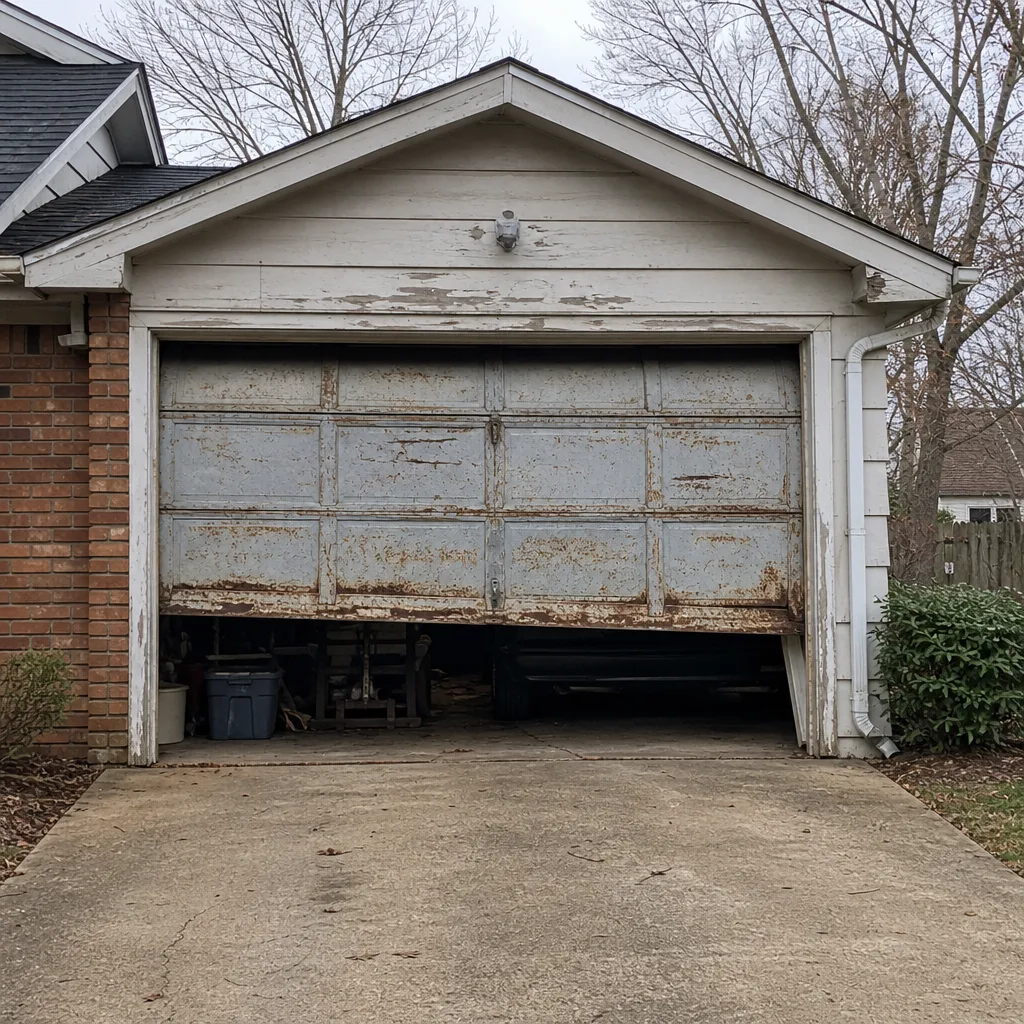 Before
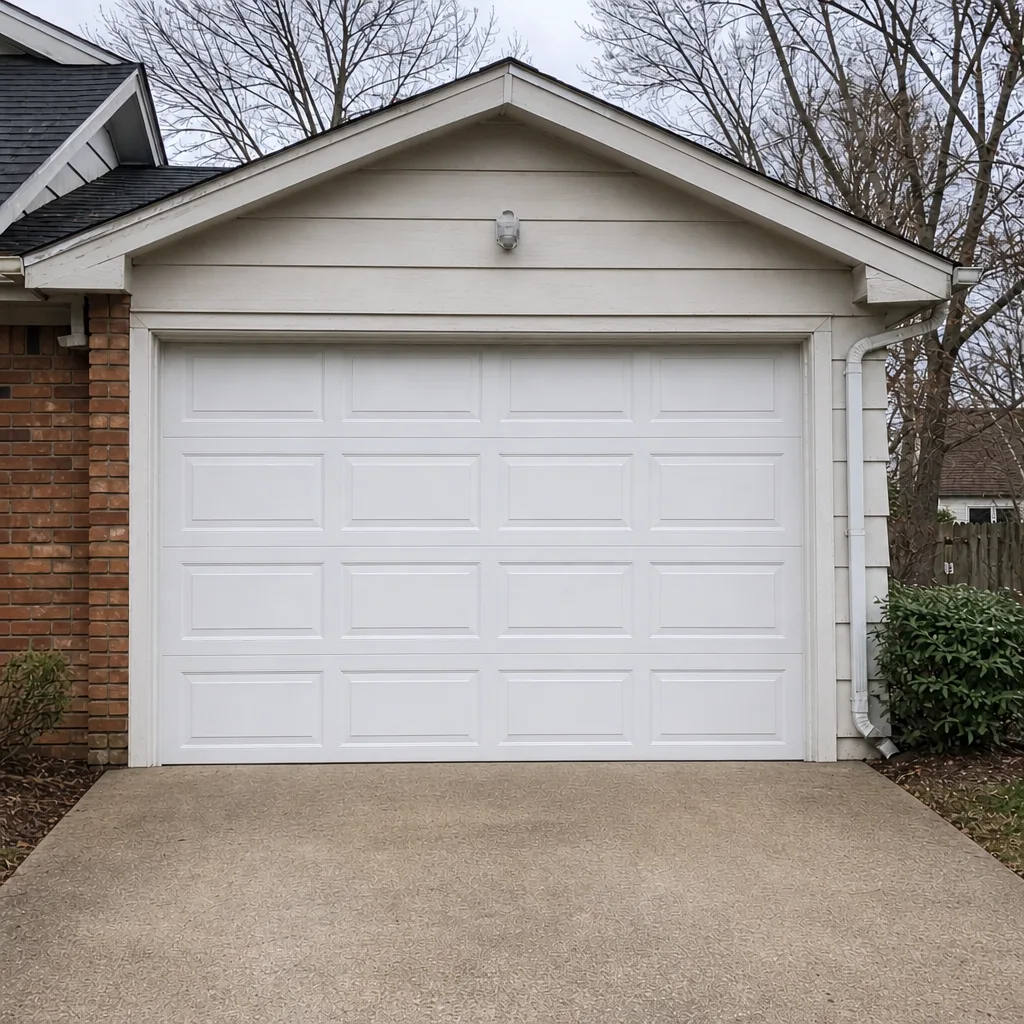 After
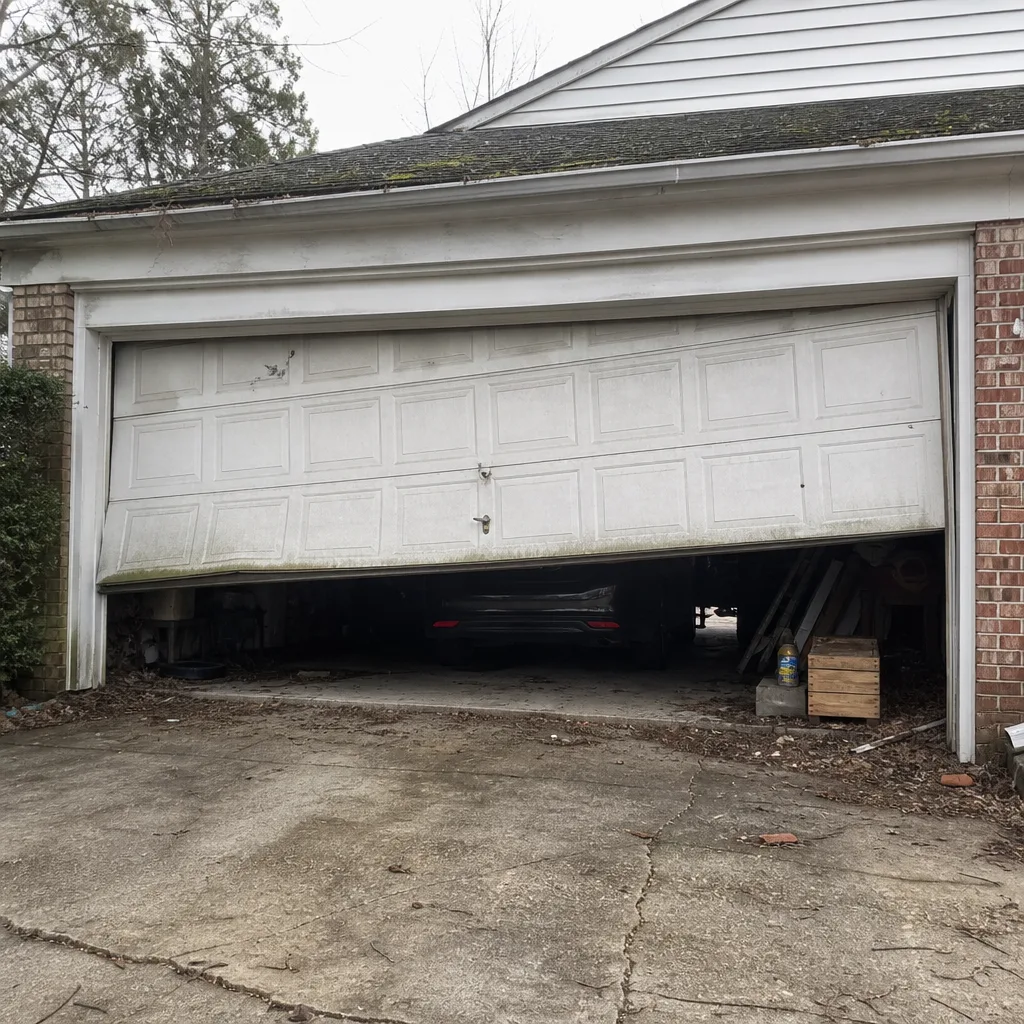 Before
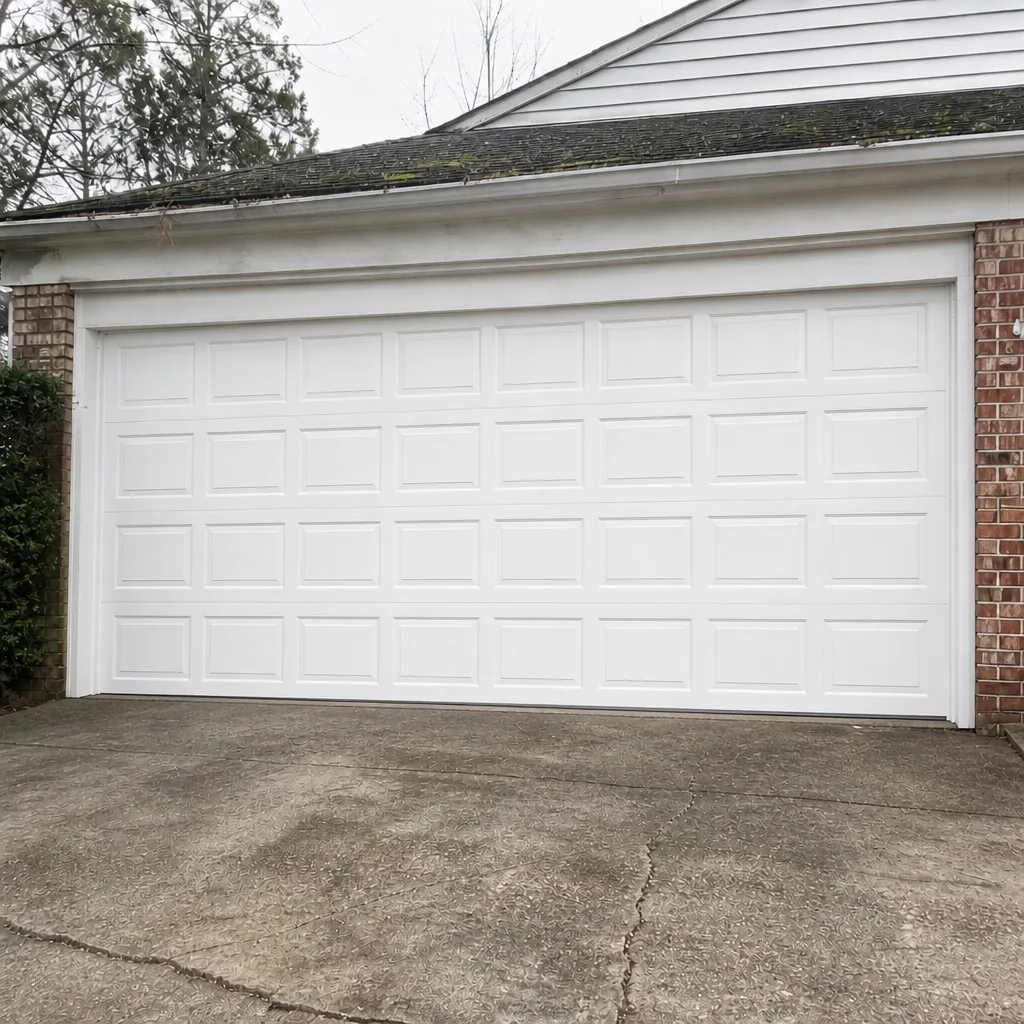 After
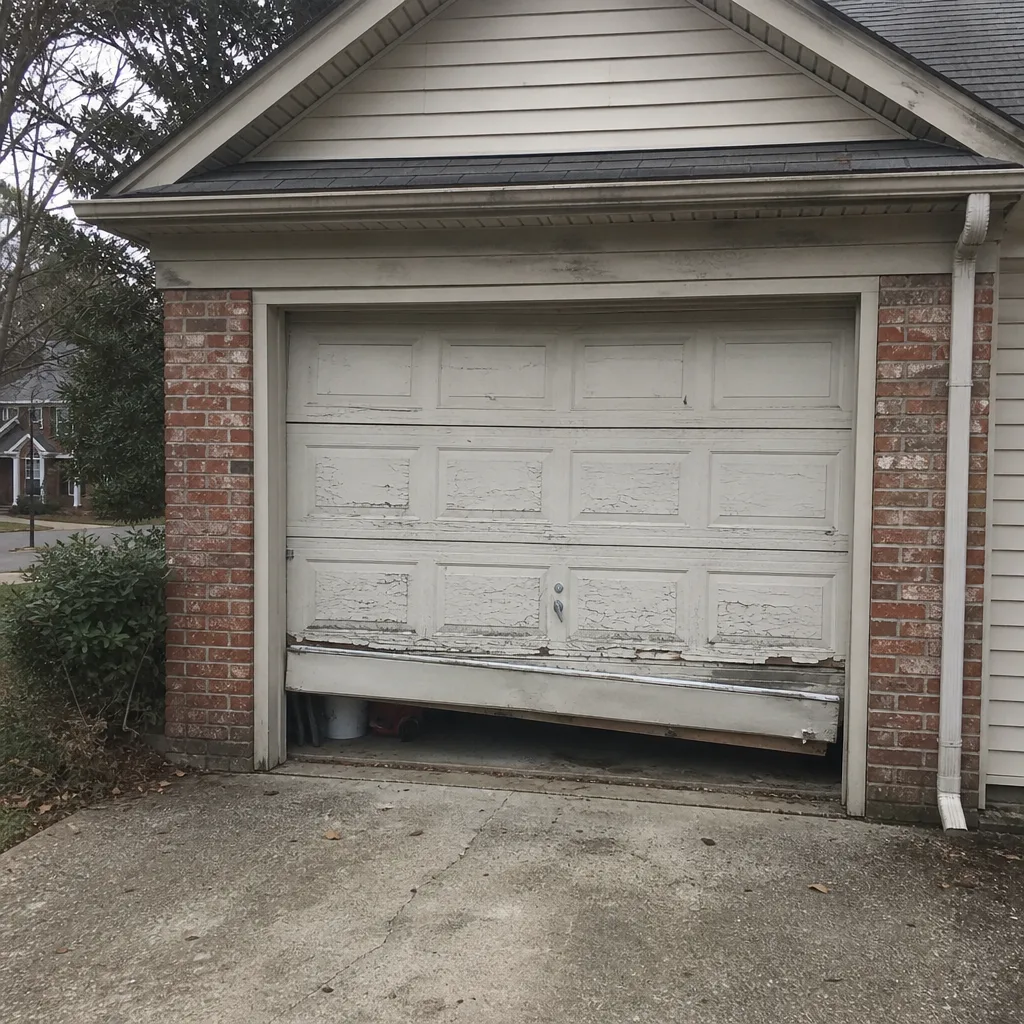 Before
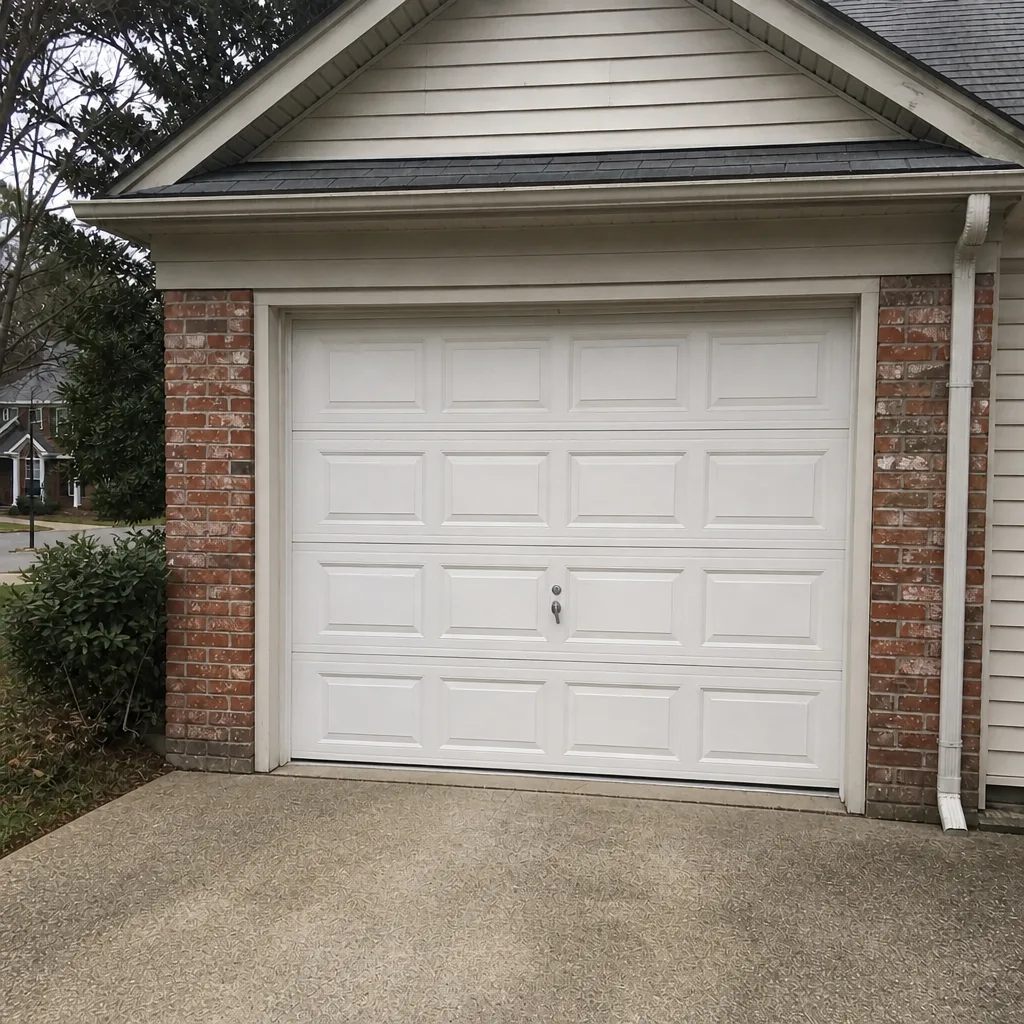 After