
Last updated November 15, 2026
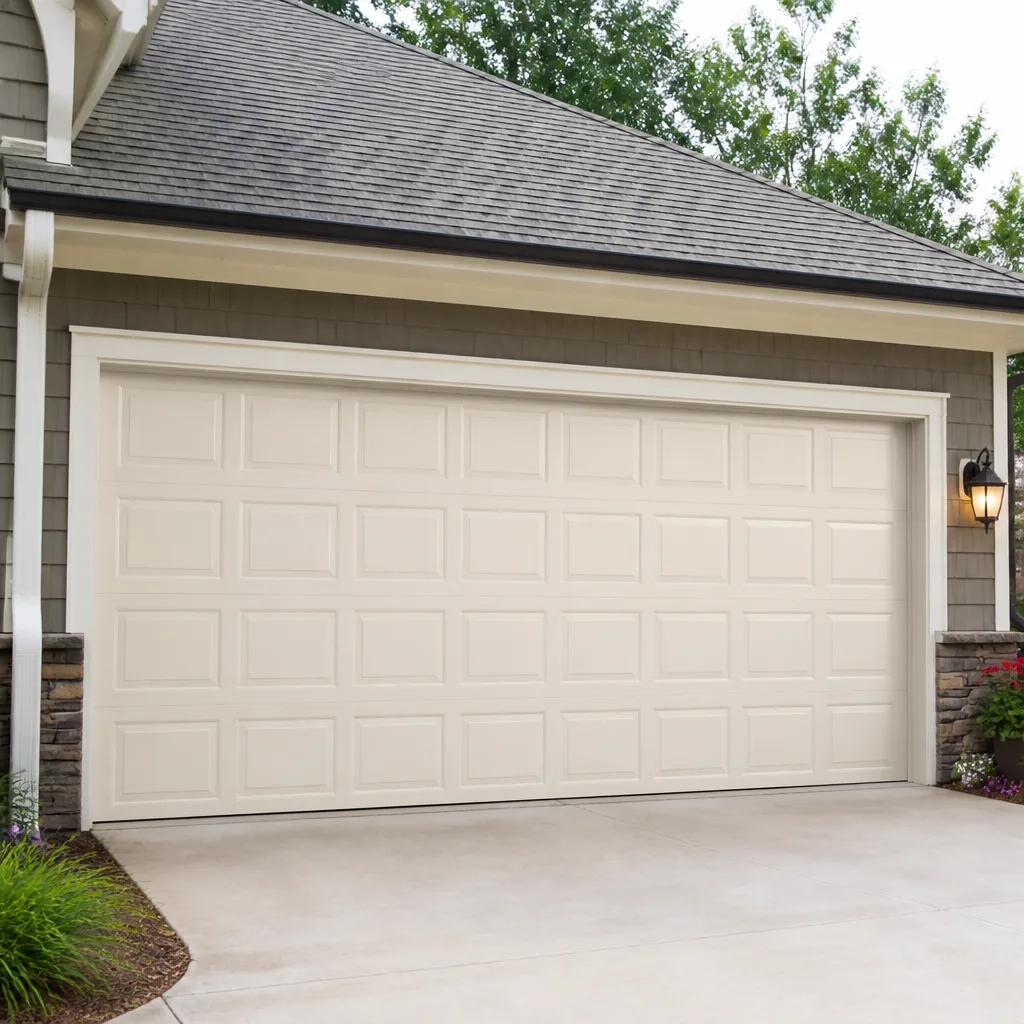 Raised-panel steel
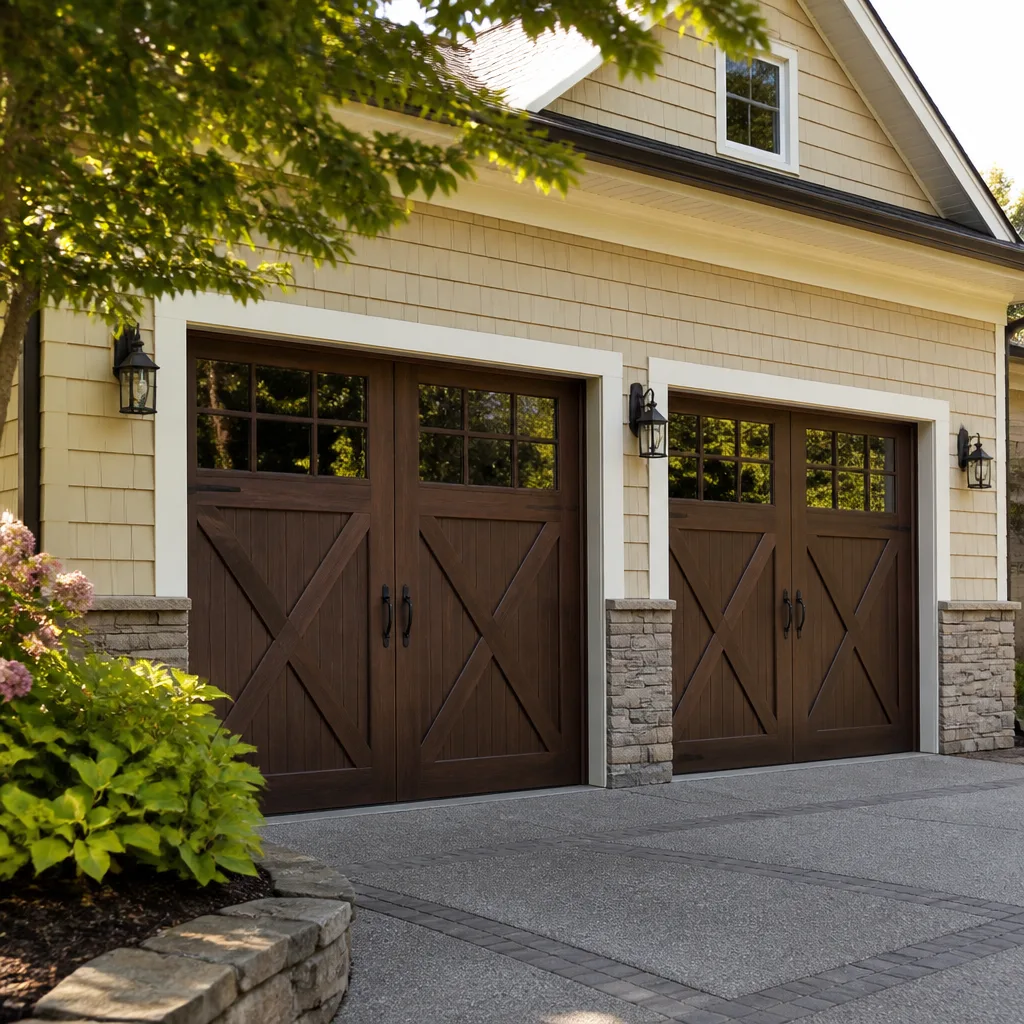 Carriage house
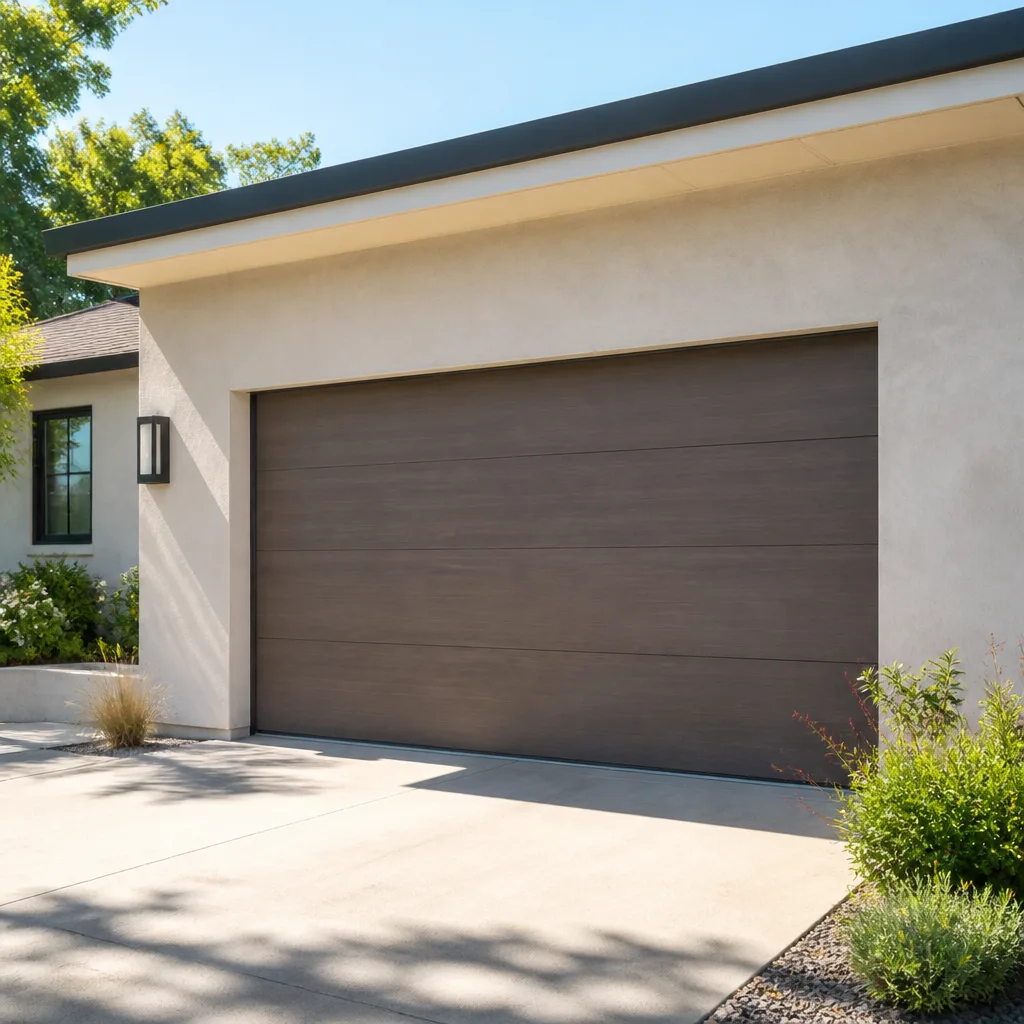 Modern flush
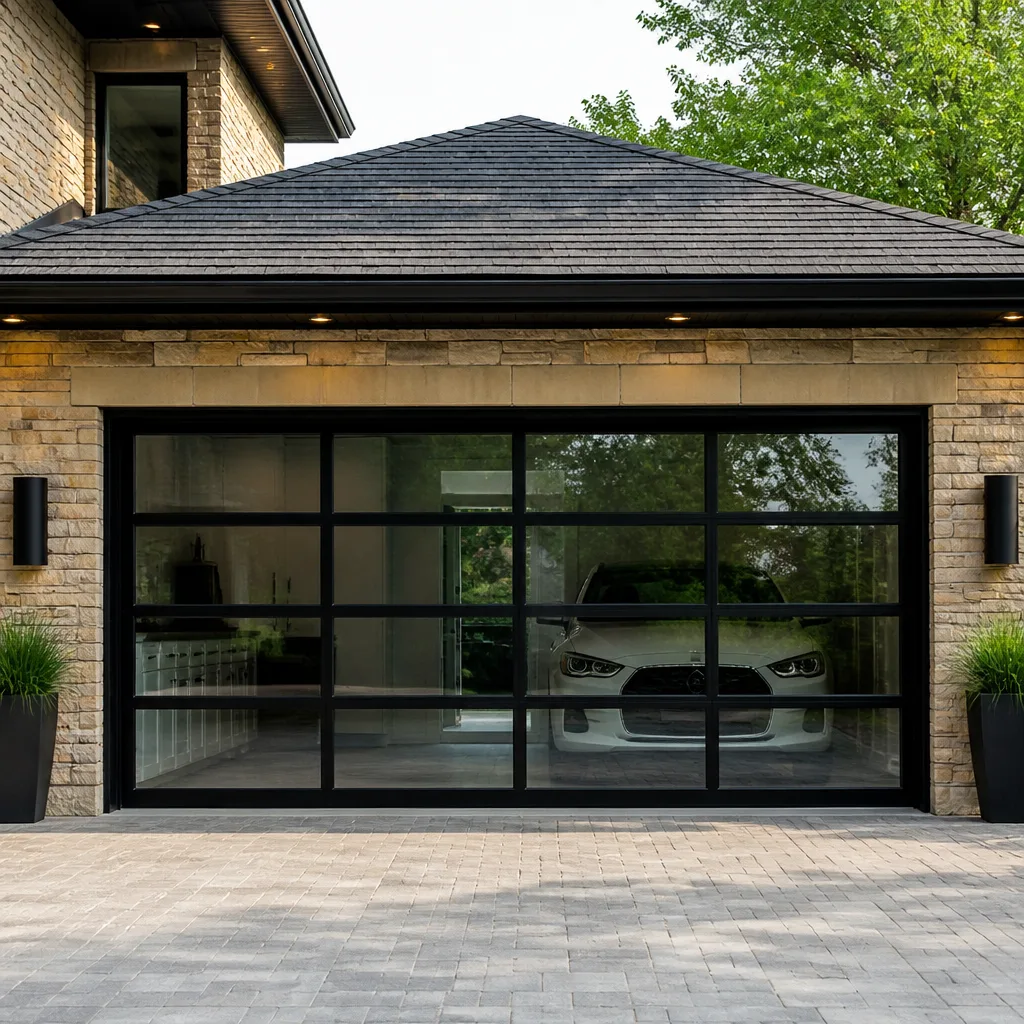 Full-view glass
 LiftMaster openers
 Chamberlain openers
Full 25-point door and opener safety check with every visit - springs, cables, rollers, tracks, and your LiftMaster or Chamberlain opener included
You get a price before we start. It does not change when the pro arrives.
Get your free estimateGarage Door Permits, Codes & Inspections in Richmond, VA: What You Need to Know
Most Richmond homeowners assume a garage door replacement never needs a permit. That’s the mistake. Some jobs sail through without one, and some don’t – and the line between the two has nothing to do with what you paid. It comes down to scope. Change a panel on the same frame and you’re usually in the clear. Cut a new opening, move a structural header, or swap a fire-rated door between the garage and the house and you’ve crossed into permit territory. Getting that distinction wrong can surface years later during a home sale, when an inspector flags work that was never on record. This guide walks you through when City of Richmond rules apply versus Henrico, Chesterfield, and Hanover, the Virginia Uniform Statewide Building Code in plain language, and how to make sure any contractor you hire pulls the right permits.
Quick Answer
In the City of Richmond and the surrounding counties, a garage door replacement usually needs a building permit only when the work touches the structure or fire separation: a new rough opening, a widened or altered header, or a replacement of the fire-rated door between the garage and living space. A like-for-like door swap on the existing frame typically does not. Which jurisdiction’s rules apply depends on where the home sits, and the Virginia Uniform Statewide Building Code sets the floor that every local building department enforces.
Styles & brands we work with
- Raised-panel steel
- Carriage house
- Modern flush
- Full-view glass
- LiftMaster openers
- Chamberlain openers
Table of Contents
- Which Jurisdiction Applies to Your Richmond-Area Home?
- The Scope Triggers That Require a Permit
- The Virginia Uniform Statewide Building Code for Garage Doors
- Fire Separation Between Garage and Living Space
- How to Verify a Contractor Is Pulling Permits
- What Happens During a Garage Door Inspection
- How Richmond’s Climate and Housing Stock Shape the Work
- Permits and Your Home Sale
Which Jurisdiction Applies to Your Richmond-Area Home?
Your address decides whose building department reviews your garage door work. This is the first thing to settle, because Richmond is a patchwork of independent jurisdictions packed close together, and homeowners routinely assume the city rules apply when they don’t. A house off Cary Street in the Fan answers to the City of Richmond. Cross into Henrico County near Short Pump and you’re dealing with Henrico’s building office. Head south into Chesterfield near Midlothian or west into Hanover near Ashland and you’ve crossed two more lines. Each office runs its own intake, its own fee schedule, and its own inspection queue, though all of them enforce the same statewide code.
The differences matter in practice:
- City of Richmond handles a dense mix of older housing stock – Fan rowhouses, Church Hill and Bellevue homes, and Ginter Park properties where garage structures were often added after the house itself. Older rough openings and nonstandard framing come up constantly and draw more scrutiny.
- Henrico County covers a large share of the suburban replacement work, where builders used standard framing and engineered headers that are usually easier to document.
- Chesterfield County sees growth in Midlothian and the surrounding areas, with a lot of newer construction where a door replacement rarely raises structural questions.
- Hanover County runs the most rural of the four, where detached garages and outbuildings may sit on a different footing than the main house and sometimes have looser original construction records.
Before you order a door, confirm your jurisdiction. A quick call to the relevant building department with your address settles it. If you’re unsure which city or county you fall into, our Richmond service area page helps orient you to the region we serve.
The Scope Triggers That Require a Permit
A permit isn’t about the door. It’s about whether the work changes the building’s structure or its fire separation. That distinction is what surprises people. Two jobs can cost the same and land on opposite sides of the line. Replace a dented Clopay panel on the original frame and you’re usually fine. Cut a wider rough opening to fit a larger door and you’ve altered a structural element, which pulls in a permit and an inspection. The triggers break down like this:
- New or enlarged rough opening. If the door goes into a wall that has to be cut or reframed, that’s structural work and it needs a permit everywhere in the Richmond area.
- Header or framing changes. Moving, widening, or replacing the structural header over the opening changes load-bearing framing. Plan for a permit and an inspection of the framing before the door goes on.
- Relocating the door or adding a second bay. A new opening in a wall that never had one is new construction, plain and simple.
- Replacing a fire-rated door between garage and living space. The door separating an attached garage from the house is a fire separation component. Replacing it triggers code requirements, which we cover further down.
- Upgrading to a heavier door on marginal framing. When a new door’s weight outruns what the original framing was built to carry, the framing may need reinforcement, and that can pull a permit.
- Any change that an inspector would need to see closed up. Framing, reinforcement, and fire separation get inspected before finishes go on.
A pure like-for-like swap – same size, same opening, same frame – usually does not require a permit. That’s the routine case for most replacements we handle, including standard LiftMaster and Chamberlain opener swaps, which are mechanical work on the drive system and not building construction at all. When in doubt, ask the building department. A five-minute call beats a surprise at closing.
The Virginia Uniform Statewide Building Code for Garage Doors
Virginia runs a single statewide building code, and every local building department in Richmond, Henrico, Chesterfield, and Hanover enforces that same code. It mainly governs structural work and fire safety for residential garages. Structural requirements cover how a door opening is framed, how headers carry load, and how the wall is braced, which is why a new opening or a widened header is a code matter. Fire separation requirements cover the wall, ceiling, and door between an attached garage and the rooms above and beside it. When a replacement touches either of those areas, an inspector checks it against the code.
Some of what the code governs sits outside a garage door contractor’s scope entirely. Electrical for the opener circuit, gas appliances in the garage, and anything behind the drywall is inspected separately. Roof work over a detached garage falls under the steep-roof rules that govern any roofer. If your project turns into a broader remodel, coordinating multiple trades means each one holds its own permits.
What the code doesn’t do is set prices, force you into a particular brand, or decide who you hire. That’s your call. It sets minimum structural and life-safety standards, and the local office checks the work against those standards. If a contractor tells you a job “passes code” without a plan review, treat that as a reason to ask more questions.
Fire Separation Between Garage and Living Space
The door and wall between an attached garage and your house exist to slow a fire long enough for people to get out. That’s the whole reason the code treats that door differently from the big vehicle door you drive through. This is the single most overlooked permit trigger in Richmond-area garage work, because homeowners replace that interior door the same way they’d replace any other door, and it isn’t the same.
Here’s what it means in practice:
- The swing door between the garage and the living space is a fire-rated component. Standard wood hollow-core doors and non-rated replacements don’t meet the requirement.
- The wall and ceiling between an attached garage and the house have their own fire-rated construction requirements, and the door has to work together with them.
- The vehicle door itself is part of the separation when the garage is attached. A fire-rated vehicle door can be a code requirement depending on how the wall is constructed and how many attached walls you have.
- Any change here is the kind of work an inspector checks before the project closes out, so paper it properly.
If a garage door project touches the interior separation, treat it as permit work and get it inspected. A real expert flags this early instead of waving it through. Our garage door repair team runs into these fire-rated interior doors in older Richmond homes all the time, and the honest answer is always the same: do it to code the first time.
How to Verify a Contractor Is Pulling Permits
The homeowner is responsible for permits, even when a contractor pulls them. That’s the fact most people don’t know. A permit can be pulled by the homeowner or by a licensed contractor working for them, but the record lives with your address, and if it’s missing, it’s your problem at resale. So you ask. Verify in this order:
- Ask who pulls the permit. Before work is scheduled, ask the contractor to confirm whether a permit is required for your scope and who will pull it. A specialist answers this without hesitation.
- Get the permit number in writing. Once pulled, the permit has a number. Ask for it and keep it with your project paperwork.
- Check the municipality’s online permit portal. City of Richmond, Henrico, Chesterfield, and Hanover all run permit lookup tools. Search your address and confirm the permit exists and matches the scope.
- Make sure the inspection gets scheduled. A permit without an inspection is a record of work never verified. Ask who calls for the inspection and when.
- Get the final inspection sign-off. Close-out means the inspector signed off. Ask for the record before the contractor cashes out.
- Watch for the “we do this all the time, no permit needed” line. Skirting the permit saves the contractor hours, not you money. The exposure lands on you.
Pulling permits on your behalf is the mark of a specialist who plans to be accountable for the work. If a contractor resists the question, that itself is the answer. When you call Stallion Garage Door Service at (844) 834-1312, we’ll tell you up front whether your job needs a permit and who pulls it – the estimate is free and there’s no pressure attached.
What Happens During a Garage Door Inspection
A garage door inspection is a code inspection, not a product appraisal. The inspector checks the structural work and fire separation against the code, not the door’s aesthetics or the brand name. For a replacement that didn’t touch structure, there often isn’t an inspection at all. For one that did, here’s what to expect.
The inspector typically reviews:
- The rough opening and framing. The opening is checked for correct dimensions and the header is checked for proper size and support.
- Fastening and reinforcement. Any added framing, blocking, or reinforcement is checked for the right connections, since this work gets covered up and can’t be checked later.
- Fire separation. The interior door, wall construction, and any required protection are checked against the code.
- Opener installation. Opener mounting and the safety sensors are checked for proper installation, and so is the door’s balance and operation.
- Clearances and access. The product documentation for whatever door went in matters here, since installation instructions are often part of what’s reviewed.
To prepare, keep it simple: have your permit number and product documentation ready, leave the garage accessible, and don’t cover up framing or fire separation work before it’s inspected. The door should be operational and the safety sensors in place. Most inspections are straightforward when the work was done correctly. When the paperwork is complete, close-out is routine.
How Richmond’s Climate and Housing Stock Shape the Work
Richmond’s weather wears on garage doors in specific ways, and that shapes what inspectors and contractors see. The region’s hot, humid summers and wet winters push a lot of moisture against doors and frames. Wood frames swell and shrink with the seasons. Steel panels take on surface wear more quickly than they would in a drier climate. Springs and cables work harder as temperatures swing. None of this is a permit issue by itself. It’s the reason a replacement project often turns up framing that’s tired and needs attention, and once a project turns into framing work, you’re in permit territory.
The housing stock adds to it. In neighborhoods like the Fan, Church Hill, and Bellevue, attics and garages were often converted or added long after the houses were built, sometimes without complete records. When we open up a wall on a Ginter Park home and find framing that’s been modified, the honest answer is to document it with the city or county before covering it up. A door that fits an opening isn’t the same thing as an opening that meets code.
This is where brand coverage helps. Whether your garage has a Raynor door original to the house or a Craftsman opener from a later retrofit, the mechanical work is familiar. The permit piece is separate. Our technicians have up to 13 years of experience in Richmond-area garages, and they know where the structural questions tend to surface.
Permits and Your Home Sale
Unpermitted garage door work doesn’t stay buried. It tends to surface during a buyer’s inspection, when the buyer’s inspector compares the garage to public permit records and finds a full replacement with no paper trail. What happens next depends on the buyer and the lender. Some buyers walk away. Others negotiate. And some lenders require the work to be permitted and inspected before closing. A permit that should have been routine turns into a scramble for the owner.
The fix is upstream. Before you book work, confirm whether it needs a permit, get the permit number, and keep the final inspection record with your home documents. If you’re buying a home in the Richmond area with an older garage, ask for the permit history. If you’re selling, pull it yourself. A clean record on a garage door project is worth more than the fee it costs, and it keeps a closing on track.
Common Mistakes to Avoid
- Assuming no permit is needed because the old door came out and a new one went in. “It’s just a replacement” is true for a like-for-like swap and false the moment framing or a rough opening changes. Ask before you order.
- Letting a contractor skip the permit to save a day. Time saved on the front end becomes a resale problem later. The exposure sits with your address, not the contractor’s.
- Treating the interior garage door like any other door. The swing door between an attached garage and the house is fire-rated for a reason. Replacing it with a hollow-core door breaks the fire separation the code requires.
- Confusing jurisdiction. A Henrico County address and a City of Richmond address answer to different building departments. Call the right one before you file anything.
- Covering up framing before inspection. Framing and fire separation get inspected before finishes go on. Drywall over an uninspected header turns a routine job into a costly do-over.
- Not keeping the permit number and inspection record. Records disappear. Keep the permit number and the final inspection sign-off with your home documents, not in a contractor’s file.
- Hiring a generalist who doesn’t know the local rules. A garage door specialist knows which scope changes trigger permits in Richmond and which don’t. A generalist learns on your project.
See the difference
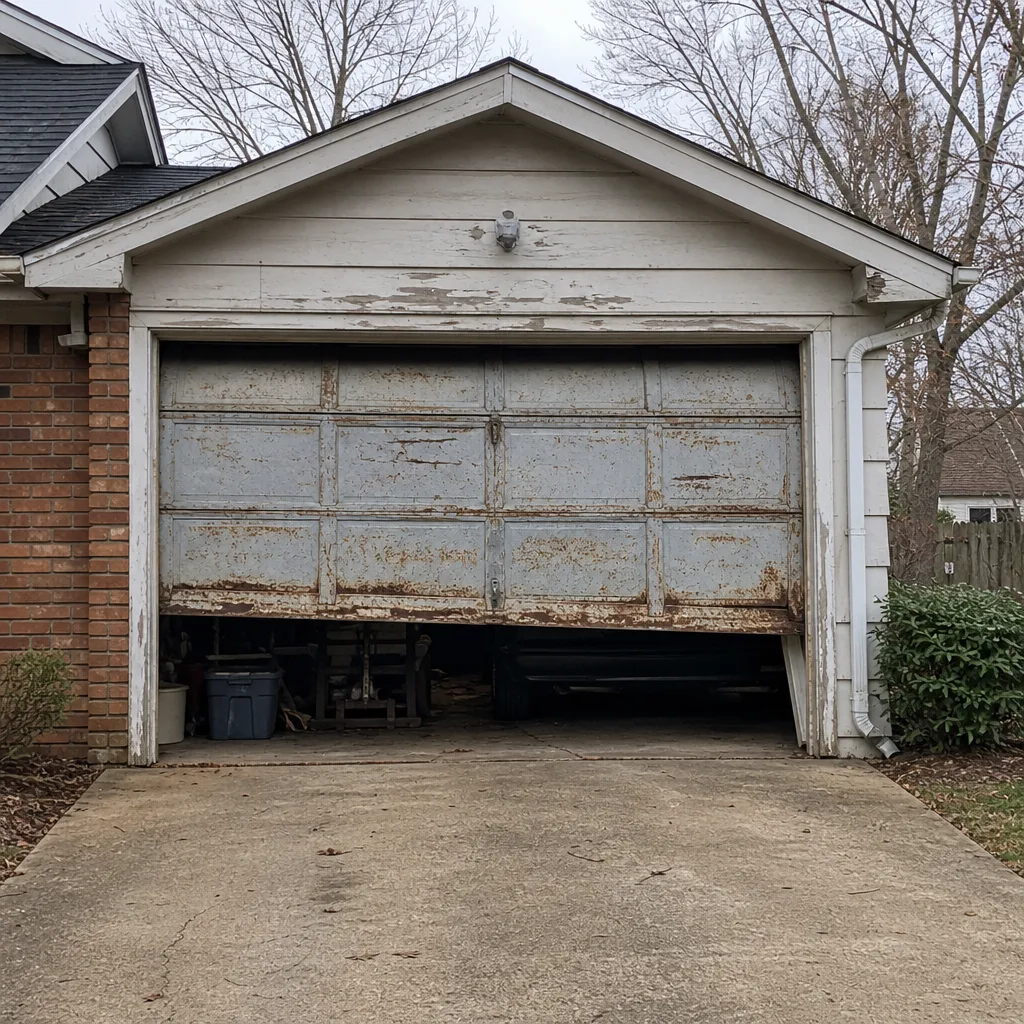 Before
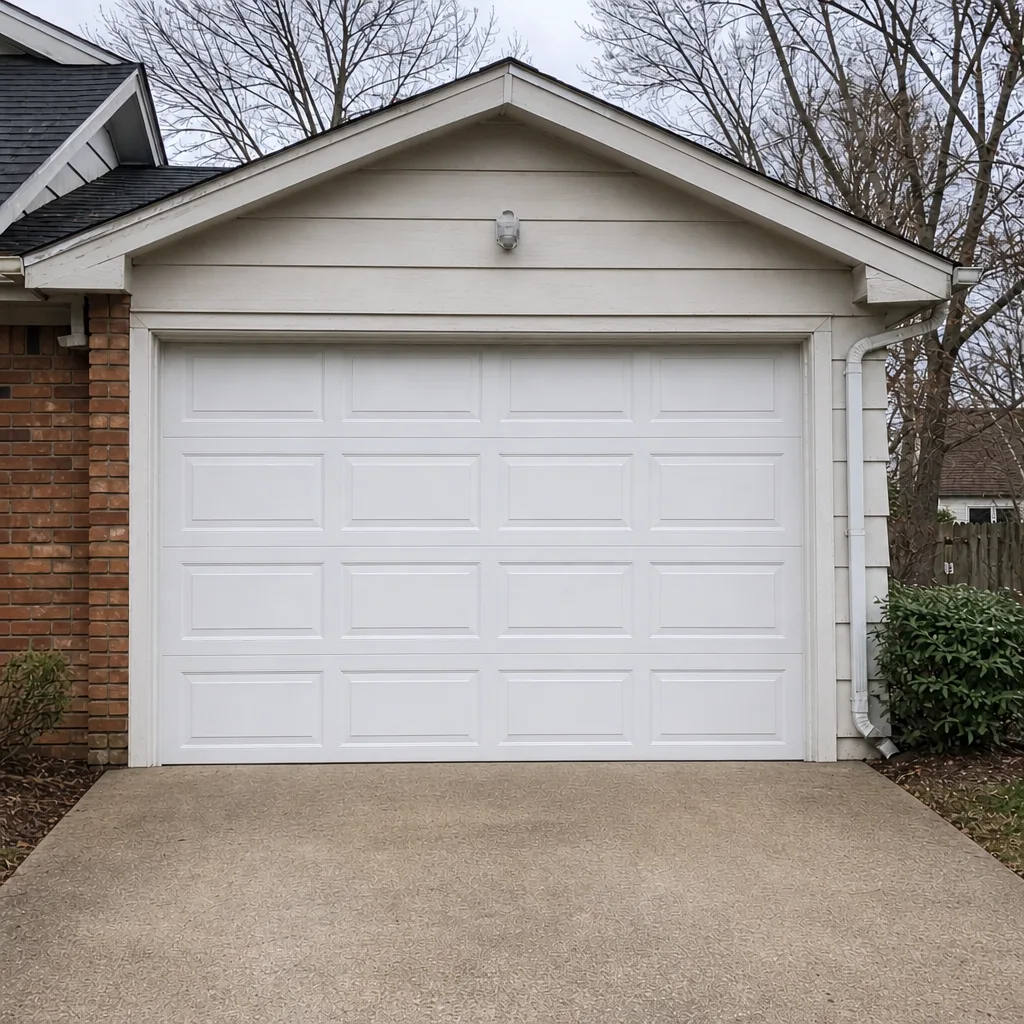 After
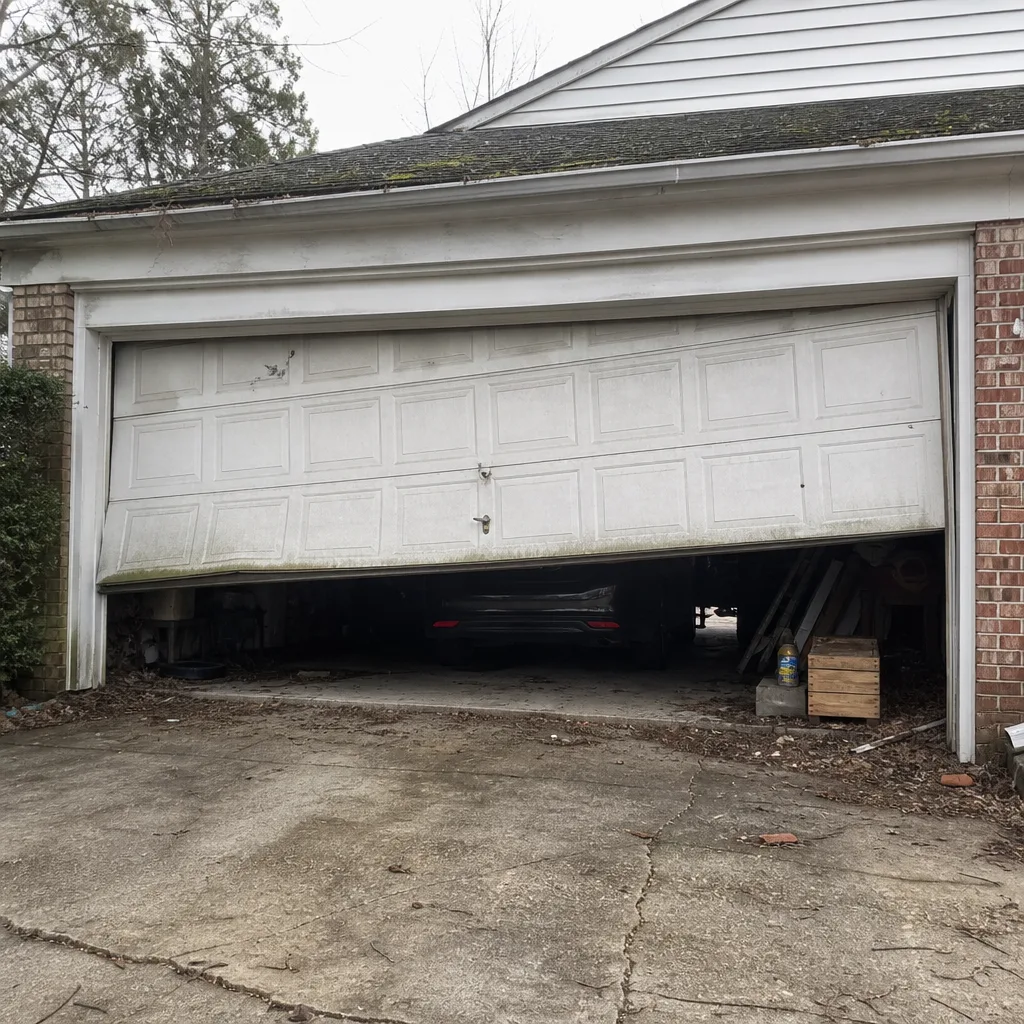 Before
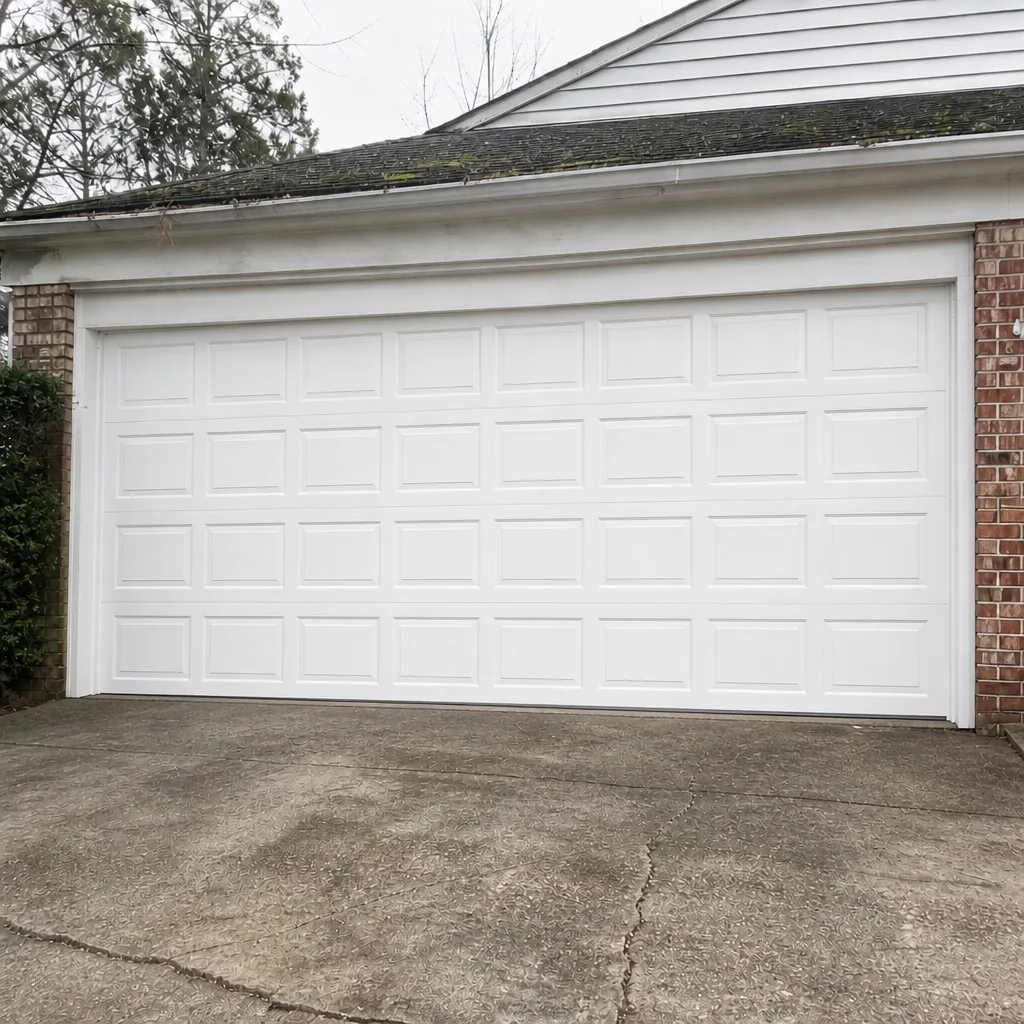 After
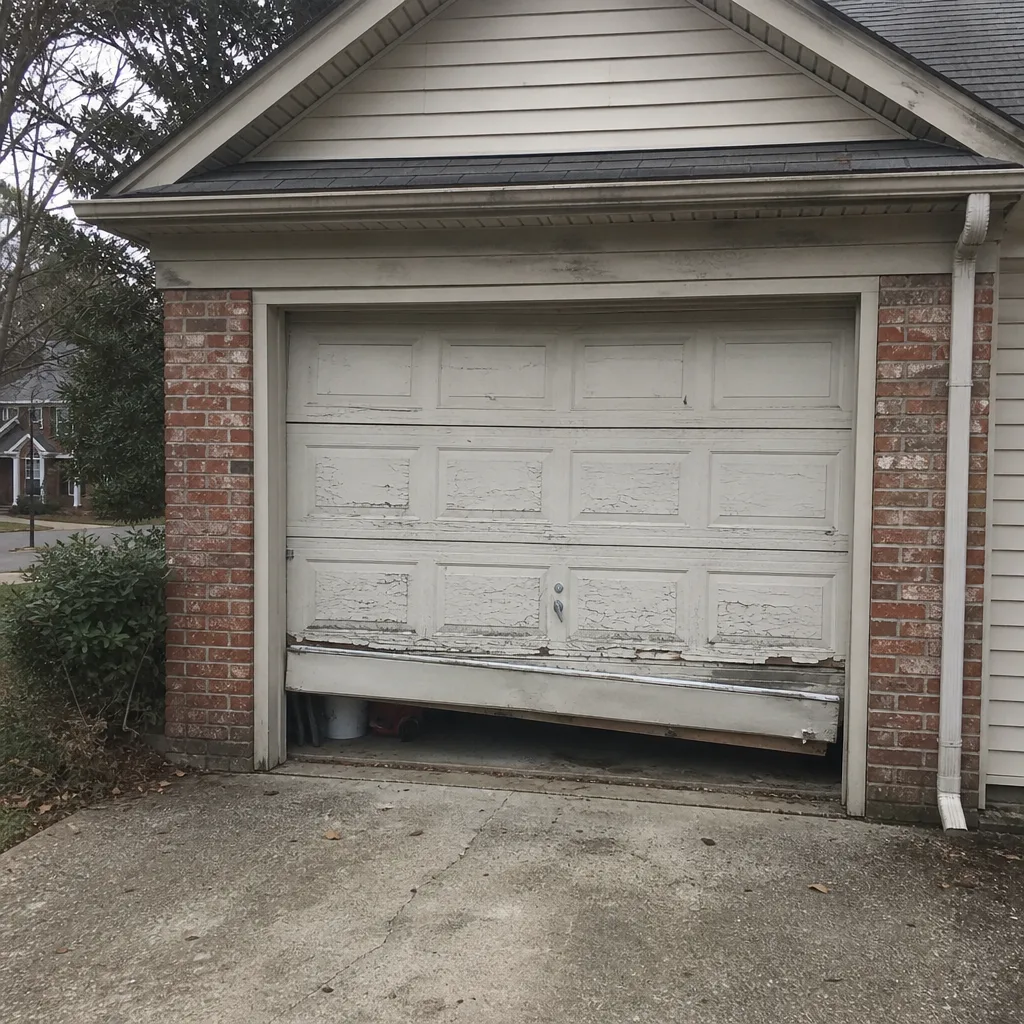 Before
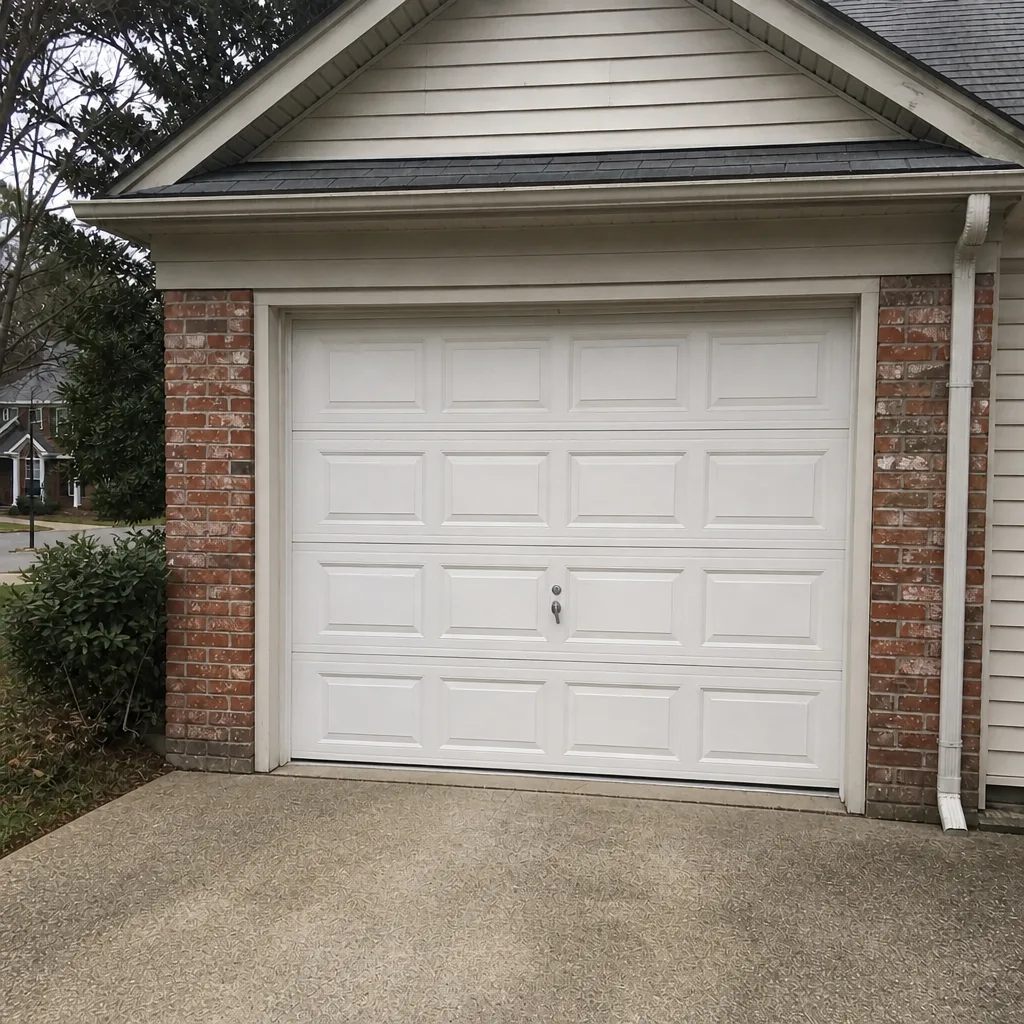 After
When to Call a Professional
Call a professional when the door itself is failing – loud bangs, a door that won’t balance, a snapped cable, or a spring that’s clearly at the end of its life. High-tension springs and cables store enormous energy, and working on them without training is genuinely dangerous. Leave them to a trained technician. Call when you’re planning a replacement and want an honest read on whether your scope needs a permit and who should pull it. Call when you’re buying or selling a Richmond home and the garage door’s permit history is unclear. And call if an inspector flagged something on a prior job and you need it put right. Stallion Garage Door Service offers free estimates in Richmond – call (844) 834-1312. We answer 24/7. Fast dispatch from 7am to 7pm, Sunday through Friday.
Frequently Asked Questions
Usually not, if it’s a like-for-like swap on the existing frame and opening. A permit is required when the work changes structure or fire separation – a new or enlarged rough opening, a header change, or a fire-rated door between the garage and house. Call (844) 834-1312 for an exact read on your scope – estimates are free.
Whichever one your address falls under. City of Richmond, Henrico County, Chesterfield County, and Hanover County each run their own building department. Give the department your street address and they’ll tell you which office handles your permit. If you’re unsure, our team can point you to the right one when we estimate your job.
No. The written estimate sets the price, and it’s quoted and agreed before any work starts. If the scope genuinely changes – for example, if opening the wall reveals framing that needs repair – we’ll discuss it with you before doing anything, and the written estimate is updated. Call (844) 834-1312 for an exact quote – estimates are free.
Often, yes. Door and opener repairs are same-day work in much of the Richmond area, and we dispatch from 7am to 7pm, Sunday through Friday. A call outside those hours is booked into the next opening. Call (844) 834-1312. We answer 24/7.
A garage door inspection checks the code compliance of the structural work and fire separation the permit covers. A home inspection looks at the whole house and flags anything that appears unsafe or poorly done. A buyer’s inspector may flag unpermitted garage work, which is why the permit record matters at sale. Call (844) 834-1312 and we’ll help you sort out what your project needs.
We’ll tell you honestly whether your scope needs one, and we can coordinate the permit side of the project. The homeowner is ultimately responsible for the record on the address, so we make sure you have the permit number and the inspection record in hand. Call (844) 834-1312 to talk through your project – estimates are free.
It varies with the fault and the opener. A drive-system fault on a LiftMaster or Chamberlain unit is usually a repair; a failed motor can mean replacement. The written estimate sets the price, and it’s agreed before any work starts. Call (844) 834-1312 for an exact quote – estimates are free. If you’re not sure whether the problem is the opener or the door, our garage door opener repair team can diagnose it.
The Bottom Line
Whether you need a permit comes down to scope, not cost. A like-for-like door swap on the existing frame usually doesn’t. A new opening, a header change, or a fire-rated door between the garage and the house usually does. The jurisdiction matters – City of Richmond, Henrico, Chesterfield, or Hanover – and every office enforces the same Virginia Uniform Statewide Building Code. Verify the permit before work starts, ask who pulls it, and keep the final inspection record with your home documents. Done right, a garage door project closes out clean and stays clean through resale. If you want a straight answer on your own project, the team at Stallion Garage Door Service is one call away.
Call (844) 834-1312 for a free estimate. We answer 24/7. Fast dispatch from 7am to 7pm, Sunday through Friday. The price is quoted and agreed before any work starts, and the written estimate sets the final price. Whether you’re planning a replacement, chasing an inspection sign-off, or just need a door that works, our technicians handle the full system – door, opener, and hardware – so a single call covers the garage.
Written by the team at Stallion Garage Door Service.